
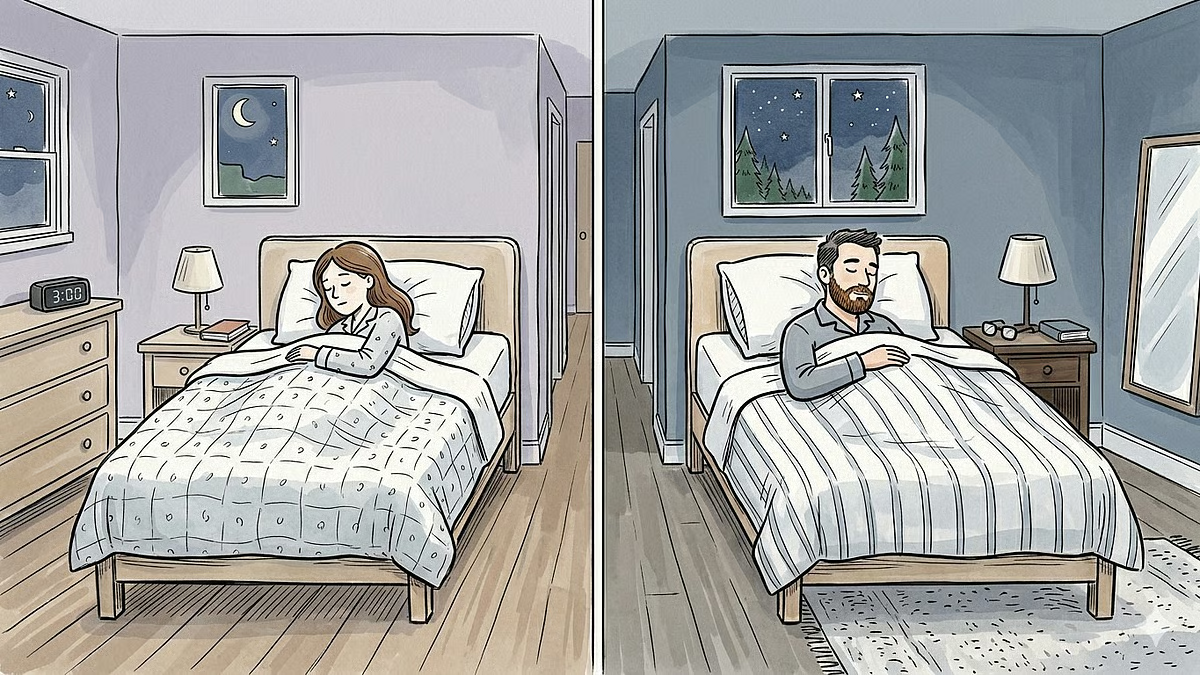

For generations, sharing a bedroom has been considered one of the defining symbols of a successful relationship. But in recent years, more modern couples are quietly challenging that idea. Across cities and changing lifestyles, separate bedrooms — sometimes called “sleep divorce” arrangements — are becoming increasingly common among couples who still love each other deeply but want better sleep, personal space, and improved mental wellbeing.
While the idea once carried stigma, relationship experts say many couples are now openly reconsidering whether sleeping in the same room every night is actually necessary for a healthy relationship.
Why Couples Are Choosing Separate Bedrooms
One of the biggest reasons is sleep quality.
Modern lifestyles often involve:
- Different work schedules
- Late-night screen use
- Snoring
- Light sleeping
- Stress-related insomnia
- Different temperature preferences
When one partner constantly disrupts the other’s sleep, exhaustion can slowly begin affecting mood, communication, intimacy, and overall relationship satisfaction.
Experts say some couples discover that sleeping separately actually reduces arguments and improves emotional connection during the daytime.
It’s Not Always a Sign of Relationship Trouble
Relationship therapists emphasize that separate bedrooms do not automatically mean emotional distance or marital problems.
In many cases, couples choose the arrangement because they:
- Value uninterrupted sleep
- Need personal space
- Have different routines
- Want better mental health
- Prefer different sleeping environments
Some partners still spend evenings together, watch movies, talk, or cuddle before sleeping separately afterward.
The Rise of “Sleep Divorce”
The term “sleep divorce” has gained popularity online and in modern relationship discussions. Despite the dramatic name, it usually refers to couples making intentional sleeping arrangements to improve rest and reduce tension.
Many people report benefits such as:
- Better sleep quality
- Less irritation
- Improved focus
- Reduced stress
- More energy during the day
Sleep experts say chronic sleep deprivation can seriously affect both physical and emotional health, making quality sleep an important relationship factor.
Modern Homes Are Adapting Too
Interior designers and real estate experts have also noticed changing preferences among couples. Larger homes increasingly include:
- Dual master suites
- Flexible guest rooms
- Private relaxation spaces
- Separate work-from-home setups
As remote work and individual schedules become more common, couples are prioritizing comfort and personal routines differently than previous generations.
The Emotional Side of Separate Sleeping
While some couples thrive with separate bedrooms, others may struggle emotionally if communication is poor.
Experts say the arrangement works best when:
- Both partners agree comfortably
- Emotional intimacy remains strong
- Communication stays open
- The decision comes from mutual understanding
Problems may arise if separate sleeping becomes a way to avoid unresolved conflicts or emotional disconnect.
Cultural Attitudes Are Slowly Changing
In many cultures, sleeping separately was once viewed negatively because shared beds symbolized closeness and commitment. However, younger generations are increasingly prioritizing:
- Individual wellbeing
- Mental health
- Personal boundaries
- Sleep quality
As conversations around wellness become more open, couples are becoming less afraid to customize relationships in ways that suit their lifestyle.
Is Separate Sleeping Right for Everyone?
Not necessarily.
Some couples feel emotionally safer and more connected sharing the same bed every night. Others find that occasional separate sleeping works best during stressful periods, illness, snoring issues, or demanding work schedules.
Relationship experts say there is no universal “correct” arrangement. What matters most is whether both partners feel respected, connected, and emotionally secure.
Final Thoughts
Modern relationships are evolving, and separate bedrooms are becoming less taboo than they once were. For some couples, sleeping apart is not about emotional distance — it is about better rest, reduced stress, and healthier daily interactions.
As conversations around sleep, mental health, and relationship dynamics continue to change, more couples are realizing that healthy relationships do not always have to follow traditional rules.
Comments are closed.