
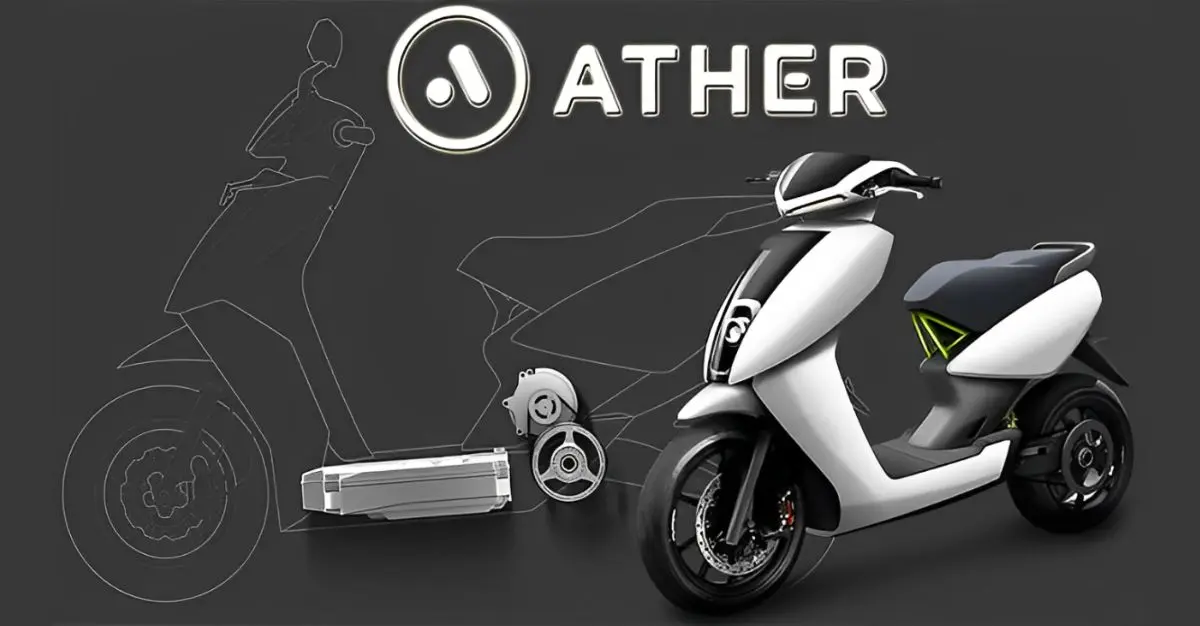

Ather Energy, the electric two-wheeler manufacturer backed by Hero MotoCorp, has expanded into the insurance distribution business as the company looks to strengthen its customer ecosystem beyond vehicle sales. The move reflects a growing trend among electric vehicle companies to diversify into allied financial and digital service offerings while building long-term customer engagement.
According to reports, Ather Energy has received approval to operate as a corporate agent for insurance distribution. The company is expected to offer insurance-related products and services connected to its electric scooters, enabling customers to access coverage options directly through Ather’s sales and digital platforms.
Industry experts believe the development could help the company create an integrated ownership experience for EV buyers while improving customer convenience and after-sales engagement. Insurance services are increasingly becoming an important revenue opportunity for automobile and mobility companies as digital vehicle ecosystems expand rapidly.
Ather Energy has emerged as one of India’s leading premium electric scooter brands with strong presence across multiple metropolitan and tier-2 markets. The company has steadily expanded its charging infrastructure, retail network, and technology capabilities while competing against players such as Ola Electric, TVS Motor, Bajaj Auto, and Hero Electric.
Analysts say EV manufacturers are increasingly attempting to build full-service mobility ecosystems instead of functioning solely as vehicle sellers. Financing, insurance, subscriptions, charging solutions, and connected digital services are gradually becoming major components of the electric mobility business model.
EV Companies Increasingly Diversifying Into Financial Services:
India’s electric vehicle industry has evolved rapidly over the past few years as rising fuel prices, government incentives, and growing environmental awareness pushed adoption higher. Alongside vehicle sales growth, companies are now exploring additional revenue streams linked to customer ownership journeys.
Insurance distribution has become an attractive opportunity because EV customers often require specialised coverage for batteries, charging systems, and connected vehicle technologies. Industry observers say electric vehicle makers can improve customer retention by integrating insurance directly into the purchase and servicing process.
Experts also believe digital-first EV companies possess strong advantages in insurance distribution due to their app-based ecosystems and direct customer relationships. Ather’s connected scooter platform already collects operational and usage-related data, which could eventually support customised insurance offerings and smarter risk assessment models.
The Indian insurtech and mobility-fintech sectors have also witnessed rising collaboration between vehicle manufacturers, insurance companies, and technology platforms. Embedded insurance models are increasingly becoming common within automotive ecosystems globally.
Market analysts noted that customer acquisition costs in insurance remain high for traditional providers, making partnerships with mobility and consumer-tech companies strategically valuable. EV makers with strong brand loyalty and digital engagement may gain significant cross-selling opportunities over time.
Ather Energy Continues Strengthening Its EV Ecosystem:
Founded in Bengaluru, Ather Energy has built a reputation for premium electric scooters focused on performance, software integration, and connected technology. The company has also invested heavily in fast-charging infrastructure through its Ather Grid network across Indian cities.
Hero MotoCorp remains one of Ather’s key investors and strategic backers. The partnership has helped strengthen the startup’s manufacturing scale, market access, and supply chain capabilities within India’s increasingly competitive EV sector.
The company has continued expanding retail operations and manufacturing capacity amid rising competition in the electric two-wheeler market. Industry experts say customer experience and ecosystem development are becoming critical differentiators as more brands enter the EV space.
Analysts believe the addition of insurance distribution services could support customer stickiness while generating incremental non-vehicle revenue. Several mobility companies globally have already diversified into insurance, financing, and subscription businesses to improve margins and strengthen ecosystem control.
India’s EV market is expected to witness significant long-term growth driven by government incentives, improving charging infrastructure, and rising consumer interest in sustainable transportation. However, experts caution that profitability pressures, battery costs, and intense price competition remain key challenges for manufacturers.
Startup and Mobility Industry React to Ather’s Expansion Move:
The company’s entry into insurance distribution sparked discussion across startup and mobility communities online.
“Hero MotoCorp-backed EV maker expands into insurance distribution business”~DSIJ
“EV companies increasingly building integrated ownership ecosystems”~CNBC-TV18
“Insurance and financing becoming major growth areas for mobility startups”~Inc42
“India’s electric mobility market continues rapid expansion”~AND Auto
Several industry observers online described the move as part of a broader evolution where EV companies are transforming into technology-driven mobility platforms rather than traditional automobile manufacturers. Others pointed out that integrated financial services could play a major role in improving long-term customer retention within India’s competitive electric vehicle market.

Comments are closed.