
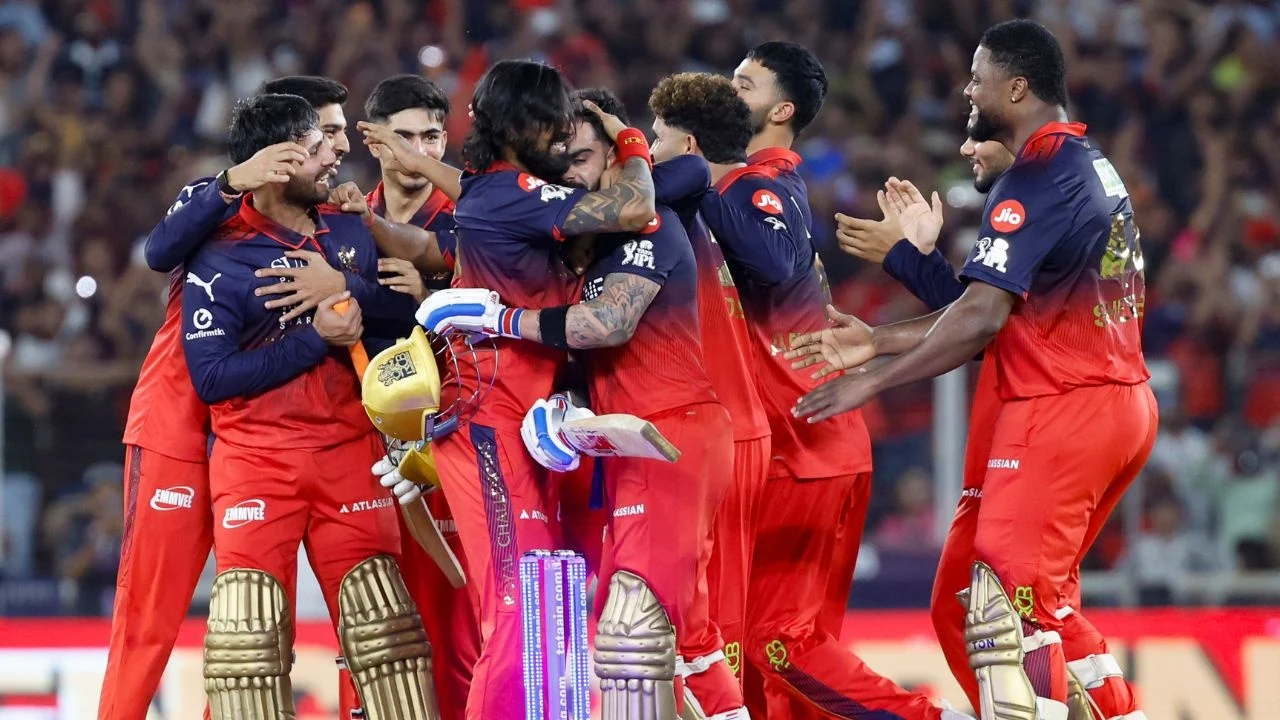
Those 5 factors that made RCB champion for the second consecutive time Captain Patidar led from the front

RCB Consecutive Title: In the final of the Indian Premier League (IPL 2026) on Sunday at the Narendra Modi Stadium in Ahmedabad, Royal Challengers Bangalore defeated Gujarat Titans and captured the title for the second consecutive time. With this victory, RCB created history and achieved the distinction of becoming the third team after Chennai Super Kings and Mumbai Indians to win two consecutive IPL trophies.
Bengaluru’s success in this tournament, which lasted for about one and a half months, clearly showed how deeply the team had worked on its game and strategy. The impact of the plans of head coach Andy Flower, support staff and team management was visible throughout the season. Let us know the five biggest reasons for RCB’s second consecutive title win.
1. Aggressive thinking becomes the key to success
Under the leadership of Andy Flower, RCB adopted the strategy of playing aggressive cricket throughout the season. This thinking was clearly visible in all three departments, batting, bowling and fielding. Captain Rajat Patidar himself took this mentality forward and the young players of the team also adopted it well. From the beginning of the tournament till the final, RCB did not abandon its aggressive attitude. This positive and fearless approach became the biggest foundation of the team’s success.
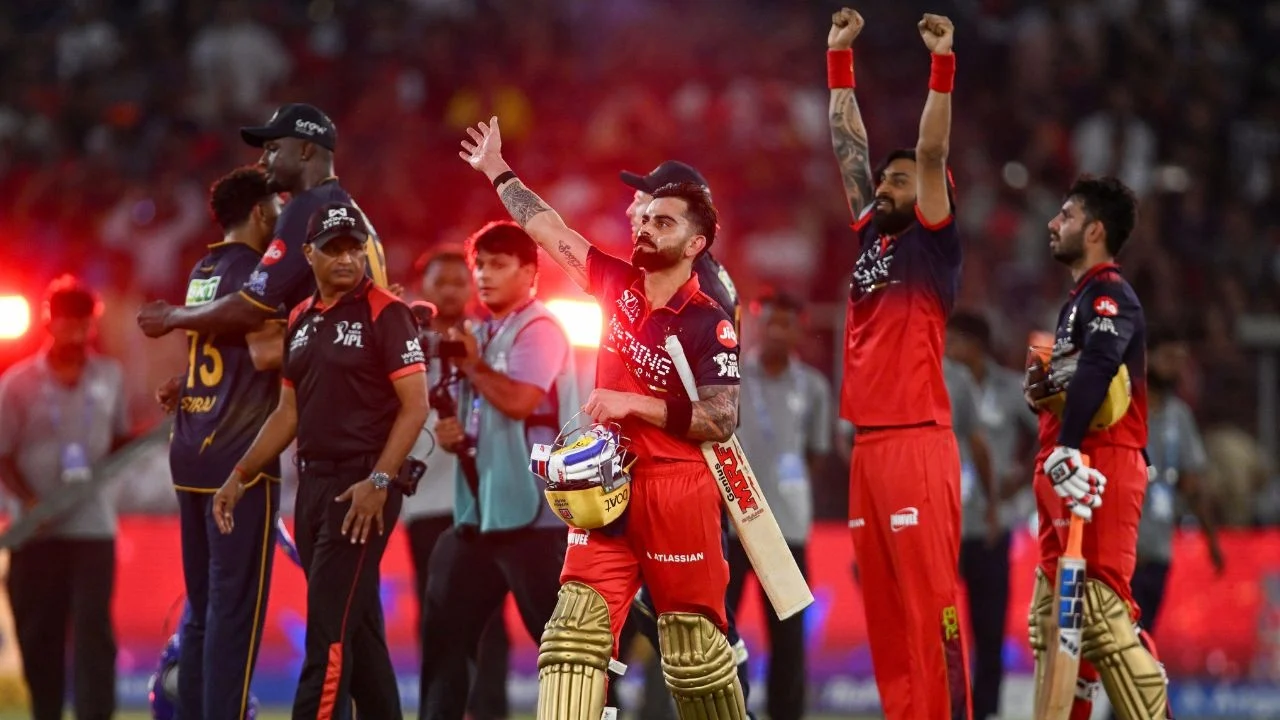
Bengaluru’s second consecutive title win (Image- IANS)
2. Top order played an important role
RCB’s top-order batsmen scored runs consistently throughout the season. The basic mantra of the team’s batting is ‘Attack is the biggest defense.’ And the batsmen implemented it well.
Some changes were definitely seen in the opening combination. When Jacob Bethel’s form deteriorated, Phil Salt got a chance, while later the decision to send Venkatesh Iyer in the opening was also successful.
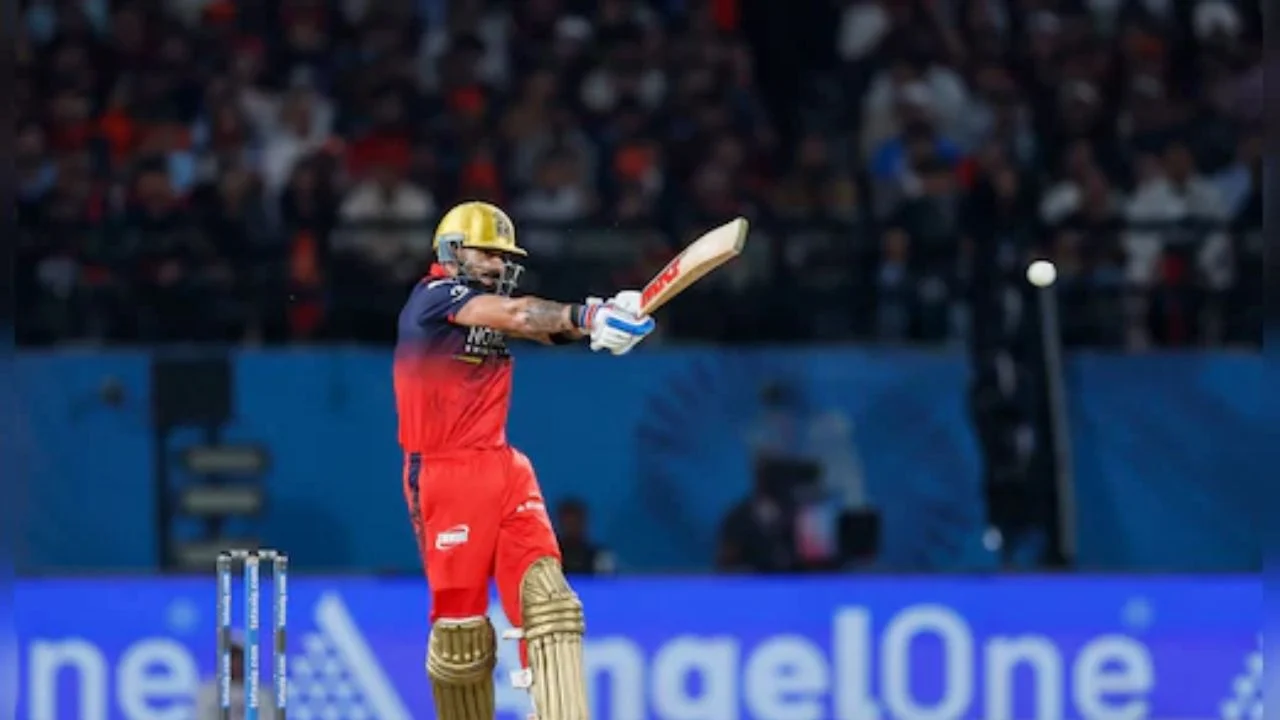
Virat Kohli (Image- Social Media)
Virat Kohli scored 675 runs in 16 matches at an average of 56.26, which included one century and five half-centuries. Whereas Venkatesh Iyer scored 209 runs in six innings of seven matches at an average of 52.25. Devdutt Padikkal also provided strength to the team by scoring 464 runs in 15 innings.
3. Effective leadership of captain Rajat Patidar
While Virat Kohli was the biggest pillar of the team in batting, captain Rajat Patidar performed the responsibility of leadership on the field brilliantly. His dynamic batting at number four and precise decisions taken during his captaincy gave RCB the lead throughout the season.
Patidar scored 501 runs in 14 innings of 15 matches at an average of 35.78. Five half-centuries came from his bat. However, the most important thing about his performance was his strike rate of 192.69, which kept constant pressure on the opposition teams.
4. Experienced bowling of Bhuvneshwar Kumar
Strong bowling is very important for any champion team and Bhuvneshwar Kumar performed this responsibility very well for RCB. The experienced fast bowler led the team to success on every important occasion.
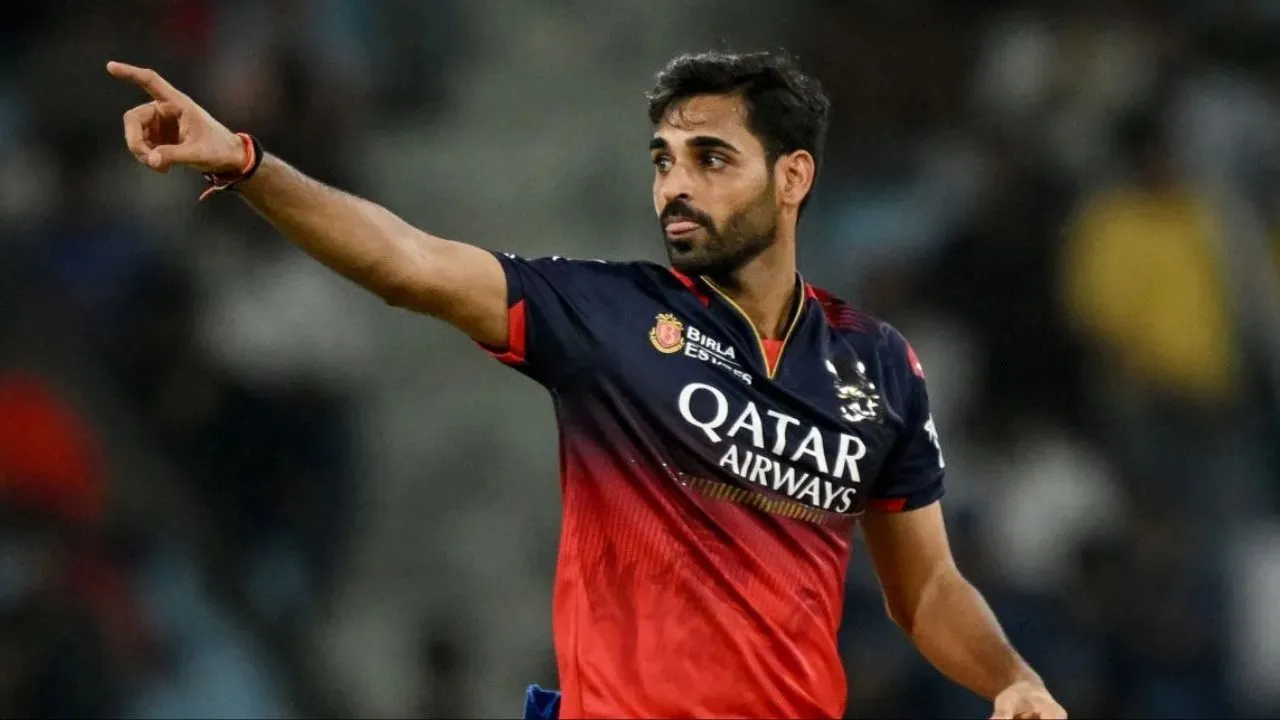
Bhuvneshwar Kumar (Photo- Social Media)
Whenever captain Patidar handed him the ball, Bhuvneshwar gave relief to the team by taking wickets. He finished his campaign as the second most successful bowler of the season with 28 wickets in 16 matches.
5. Contribution of Krunal Pandya and Rasikh Salam
While Rajat Patidar gave strength to the team in the middle order, all-rounder Krunal Pandya also played an important role. His performance with both bat and ball was impressive. Krunal scored 226 runs in nine innings, which included an important half-century. In bowling, he took 14 wickets in his name. His economy was 8.41, which was the best in the team.
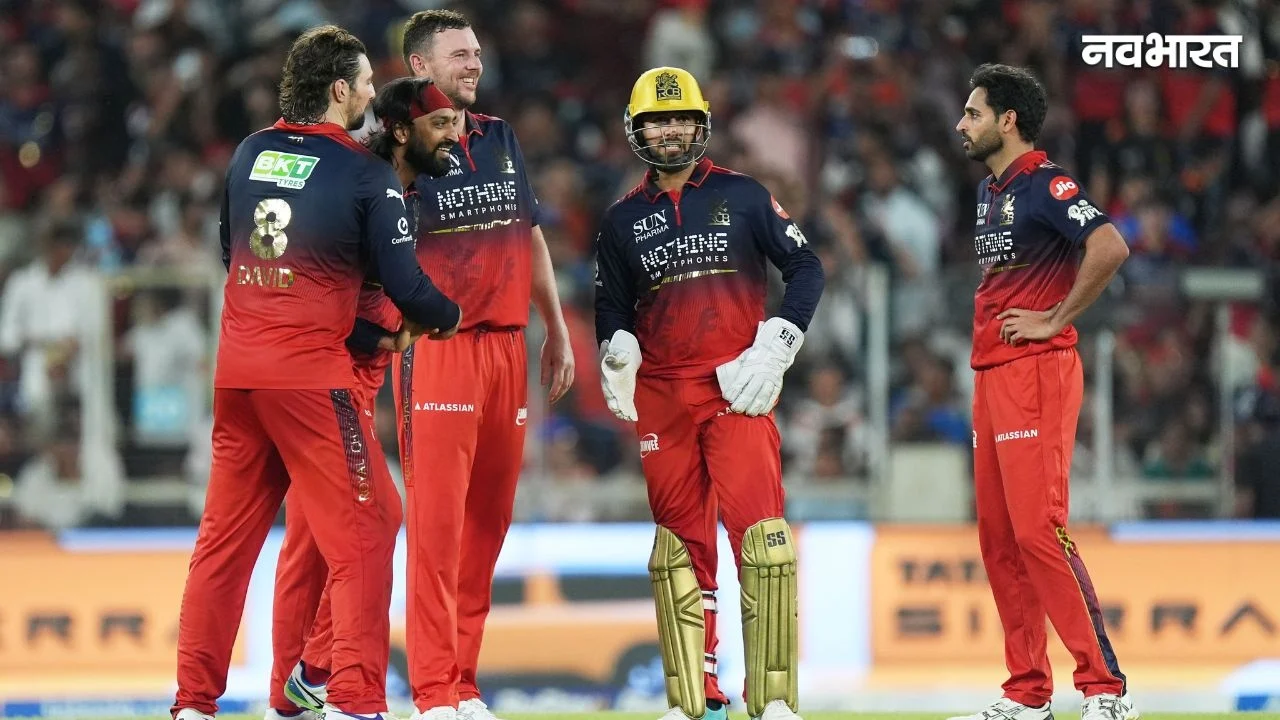
Royal Challengers Bangalore (Photo- Social Media)
Also read- RCB became the champion of IPL 2026, captured the title for the second consecutive time by defeating Gujarat Titans by 5 wickets in the final.
Apart from this, young fast bowler Rasikh Salam of Jammu and Kashmir also performed brilliantly. He provided excellent support to Bhuvneshwar and other bowlers by taking 19 wickets in 12 matches and contributed significantly to the team’s title win.

Comments are closed.