
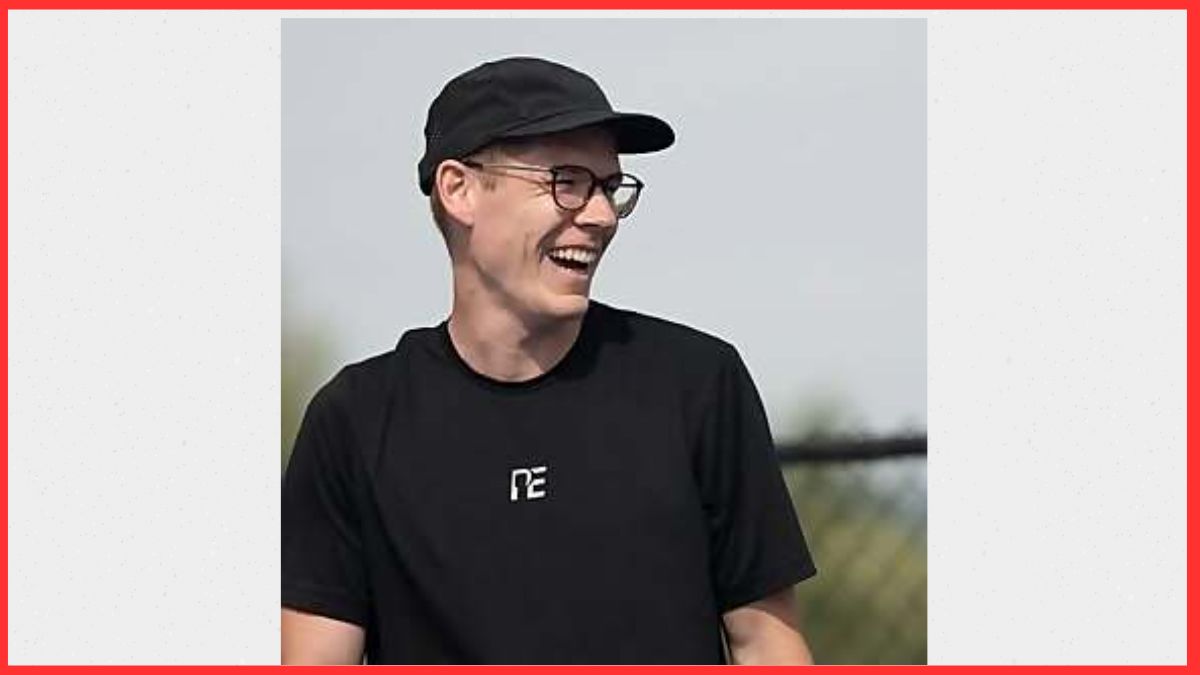

Braydon Unsicker’s income profile reflects a modern creator model where no single platform carries the full weight. Instead, revenue appears to be distributed across content monetization, affiliate partnerships, and brand collaborations tied to audience reach rather than traditional employment structures.
On YouTube, Unsicker’s primary income stream is likely ad revenue generated through the YouTube Partner Program. With long-form videos monetized via pre-roll and mid-roll ads, creators in similar niches typically earn based on RPM (revenue per thousand views), which can vary widely depending on geography and audience demographics. While Unsicker’s exact earnings are not publicly disclosed, channels at a comparable scale often see YouTube serving as a stable baseline income layer rather than a volatile windfall.
Platform Monetization and Audience-Driven Revenue
Beyond ads, a significant portion of income in this creator tier tends to come from affiliate marketing and platform integrations. This includes linking to tools, software, or products in video descriptions, where commissions are earned on resulting conversions. For creators with consistent engagement, affiliate income can rival or even exceed ad revenue, particularly when audience trust is strong and recommendations are frequent.
Brand sponsorships represent another key stream. These deals typically involve fixed-fee integrations, where companies pay for dedicated segments or product mentions. In the broader creator economy, such deals are often negotiated based on average views per video rather than subscriber count alone, making consistent performance more important than occasional viral spikes.
There is no verified public record of Unsicker launching standalone products or paid courses at scale, though this remains a common expansion path for creators at similar stages. Some peers in adjacent niches have built recurring revenue through digital products or memberships, but no confirmed figures exist linking Unsicker to those models.
A Business Model Defined by Distribution, Not Dependence
What stands out in Unsicker’s setup is not a single dominant revenue source but the structure itself. Like many mid-tier creators, income appears to be distributed across platforms and partnerships rather than tied to one predictable paycheck.
This approach reduces exposure to algorithm shifts on any single platform, particularly YouTube, where monetization policies and RPM rates can fluctuate. It also reflects a broader trend in digital media where creators increasingly act as small media businesses, balancing multiple modest revenue streams instead of relying on one large contract or employer.
Without disclosed financial statements or confirmed earnings reports, precise income breakdowns remain unavailable. Still, the architecture of Unsicker’s business mirrors a familiar pattern in the creator economy: diversified, platform-dependent, and highly sensitive to audience engagement rather than fixed institutional support.

Comments are closed.