
We Tested 6 Martini Garnishes — And One Unexpected Choice Completely Transformed the Cocktail

Few cocktails are as iconic as the Martini. With just a handful of ingredients, every detail matters — from the gin or vodka you choose to the vermouth ratio and, perhaps most surprisingly, the garnish.
While many drinkers view garnishes as a simple finishing touch, they can dramatically alter a Martini’s aroma, flavor, and overall drinking experience. To find out which garnish truly elevates the cocktail, we compared six popular options. The results were surprising.
Why Martini Garnishes Matter
Unlike many cocktails that contain fruit juices, syrups, or bitters, a Martini is exceptionally clean and minimalist. This means even a small garnish can have a significant impact on the drink.
A garnish influences:
- Aroma
- Flavor perception
- Mouthfeel
- Overall balance
Because much of what we taste comes from smell, the garnish often shapes the first impression before the cocktail even reaches your lips.
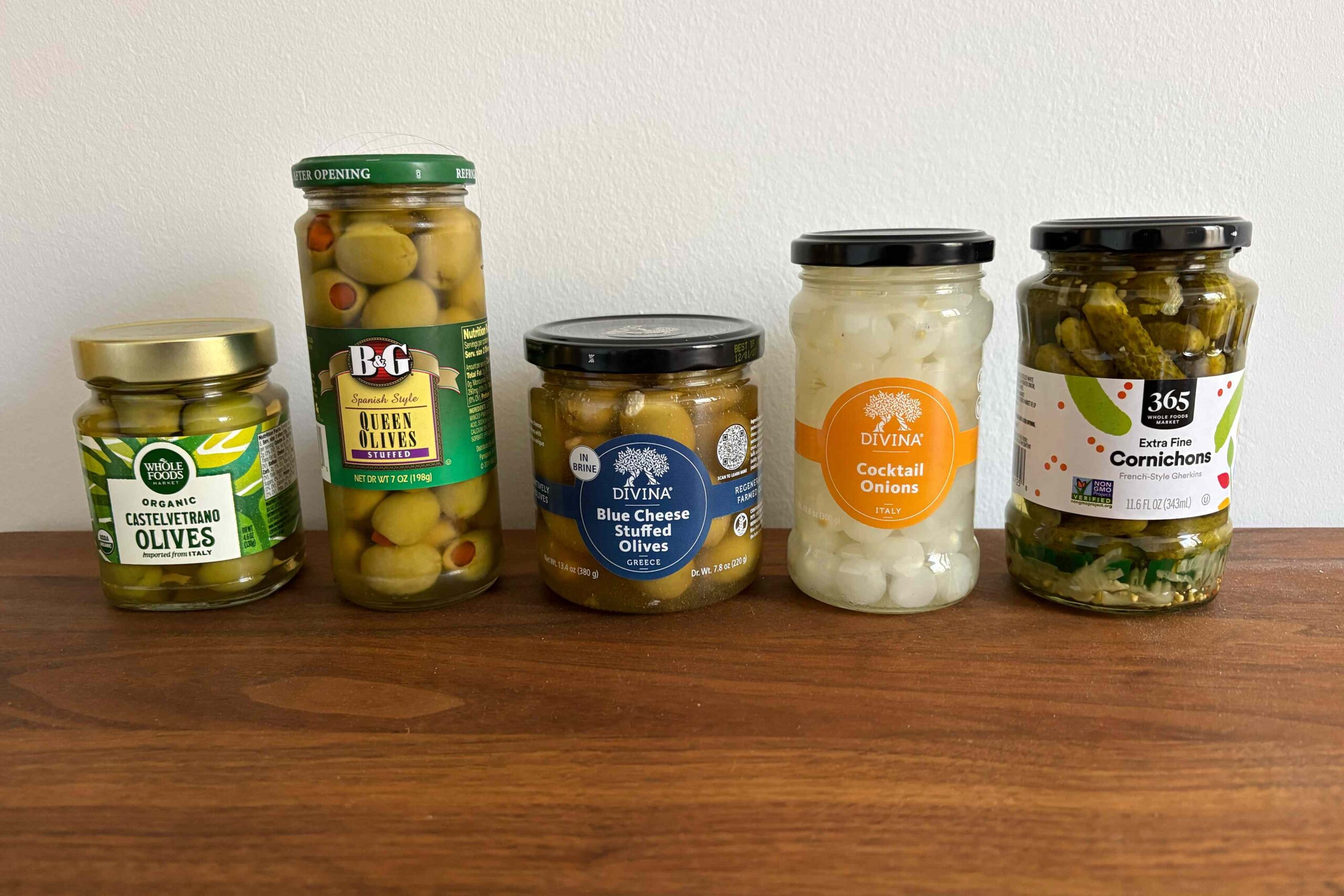
1. Classic Green Olive
The olive remains the traditional Martini garnish for a reason.
Flavor Profile:
- Salty
- Savory
- Briny
The olive adds a subtle umami quality that complements the botanicals in gin and creates a richer drinking experience.
Best for: Dirty Martinis and savory cocktail lovers.
2. Lemon Twist
A lemon twist is the garnish of choice for many Martini purists.
Flavor Profile:
- Bright
- Fresh
- Citrusy
The oils released from the peel add aromatic complexity while preserving the drink’s crisp character.
Best for: Classic gin Martinis.
3. Cocktail Onion
The famous Gibson variation swaps olives for a pickled pearl onion.
Flavor Profile:
- Slightly sweet
- Tangy
- Savory
The onion introduces an unexpected depth that makes the Martini feel more robust and food-friendly.
Best for: Adventurous Martini drinkers.
4. Orange Twist
Though less common, orange peel offers a softer citrus profile.
Flavor Profile:
- Sweet citrus
- Floral notes
- Mild bitterness
The orange oils can enhance certain botanical gins and add a subtle sweetness without altering the drink itself.
Best for: Floral or citrus-forward gins.
5. Cornichon
Small French pickles have gained popularity among cocktail enthusiasts.
Flavor Profile:
- Tangy
- Salty
- Herbaceous
The pickle’s acidity creates a completely different drinking experience, adding a sharp contrast to the Martini’s clean structure.
Best for: Fans of savory cocktails.
6. Grapefruit Twist — The Surprise Winner
The biggest surprise of the tasting was the grapefruit twist.
Flavor Profile:
- Bright citrus
- Floral aromatics
- Gentle bitterness
Unlike lemon, grapefruit contributed deeper aromatic complexity while enhancing the Martini’s botanical notes. The citrus oils lifted the entire cocktail, making it feel fresher, more balanced, and significantly more expressive.
Many tasters found that the grapefruit twist transformed the drink more dramatically than any other garnish.
Why Grapefruit Worked So Well
Grapefruit contains aromatic compounds that pair exceptionally well with the juniper, coriander, citrus peel, and floral botanicals commonly found in premium gins.
The result is a garnish that:
- Enhances aroma
- Adds complexity
- Preserves balance
- Doesn’t overpower the spirit
Instead of dominating the cocktail, it amplifies the flavors already present.
The Final Ranking
- Grapefruit Twist
- Lemon Twist
- Green Olive
- Cocktail Onion
- Orange Twist
- Cornichon
Of course, personal preference plays a major role, and different Martinis may benefit from different garnishes.
Final Verdict
If you’ve only ever ordered your Martini with olives or a lemon twist, it may be time to experiment. While the classics remain excellent choices, a simple grapefruit twist can completely transform the cocktail, bringing out flavors and aromas many drinkers never knew were there.
Sometimes the smallest detail makes the biggest difference—and in the case of a Martini, the garnish may be just as important as what’s in the glass.
Comments are closed.