


Tata Motors is reportedly changing the technology base for its Avinya premium EV programme. Instead of relying on the earlier plan built around JLR’s Electrified Modular Architecture (EMA), the company is now expected to use the iMAX platform from the Chery-Jaguar Land Rover (JLR) ecosystem in China.
The platform in question is linked to the revived Freelander brand developed by Chery and JLR for the Chinese market. It’s called iMAX. For Tata, this is a significant shift. Avinya was originally presented as the company’s big move beyond converted ICE-platform EVs and into a more premium, born-electric product family. The change suggests that cost, timing and engineering complexity have forced a more practical route.
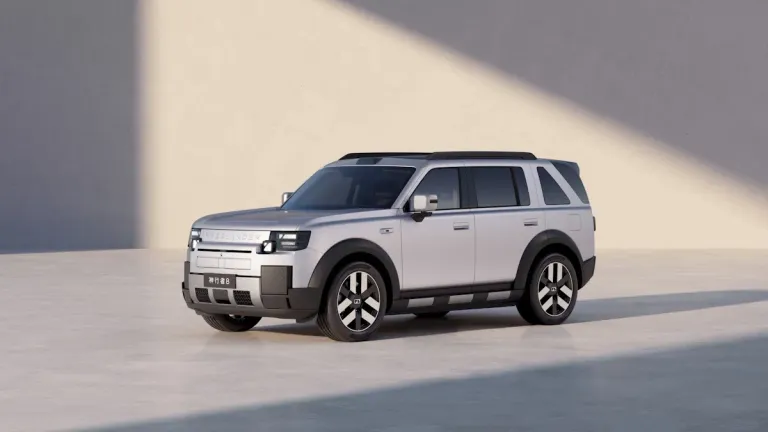
The first Avinya model based on this platform is expected in 2027, with another model likely to follow around 2029.
The Avinya project has already gone through more than one strategic reset. Tata first showed the Avinya concept as part of its future Gen 3 EV vision. The idea was to create a premium electric architecture that would sit above current Tata EVs such as the Tiago EV, Punch EV, Nexon EV and Curvv EV.
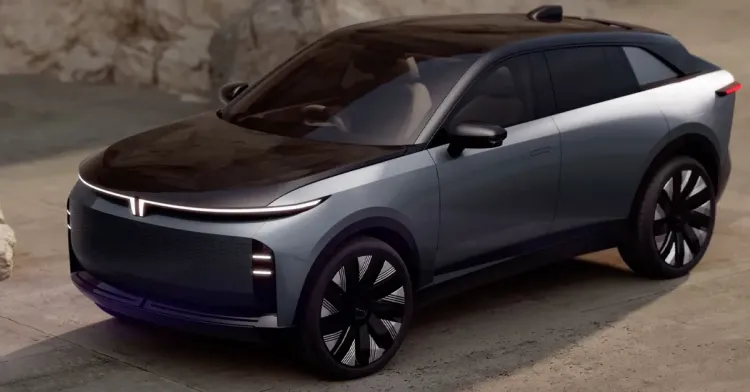
In 2023, Tata Motors then moved toward using JLR’s EMA platform. That was logical on paper because JLR and Tata are part of the same wider group. EMA was expected to give Avinya access to a more advanced electrical and electronic architecture, with better software, battery packaging and premium vehicle capability.
That plan has now appears to have changed. Reports indicate that EMA became too expensive for the volumes and positioning Tata had in mind. JLR’s own India production plans around EMA also changed, which affected Tata’s timeline. The Chery-JLR iMAX route now gives Tata a faster and likely more cost-effective base.
The decision may look uncomfortable politically, but it is not surprising technically. China currently has the world’s most developed EV supply chain. It has scale in battery packs, power electronics, software integration, motors, thermal systems and platform engineering.
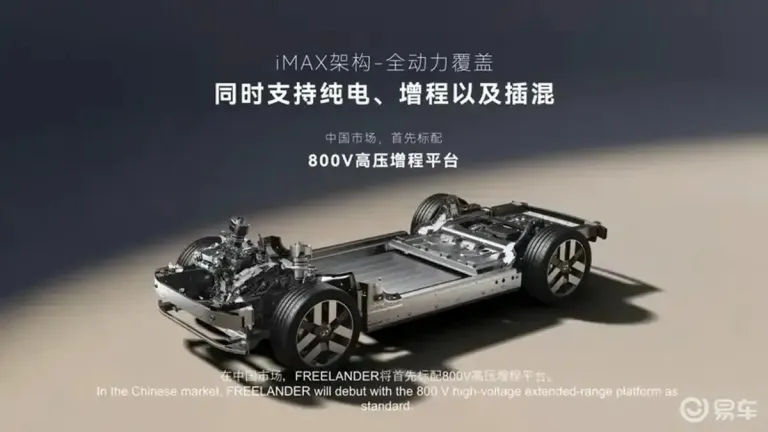
The Chery-JLR iMAX platform has been developed for a very competitive Chinese EV market. That means it is likely designed around fast development cycles, cost control and multiple powertrain possibilities. Reports indicate that the platform can support battery-electric, plug-in hybrid and range-extender formats, although Tata is expected to use it for pure electric Avinya models.
For Tata, this saves time. Building a premium EV platform from scratch would require long development, validation and localisation work. Licensing or adapting an existing platform lets Tata focus on design, software adaptation, localisation and India-specific requirements.
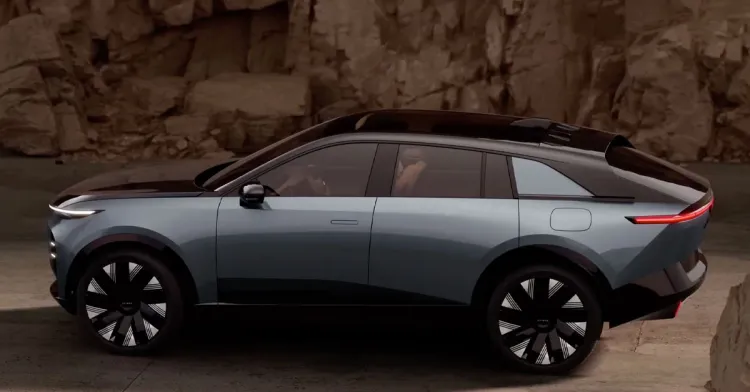
The first Avinya model is expected to use Chinese supply chains heavily in the early phase. Reports suggest it will arrive as a kit from China and be assembled in India at Tata’s new Tamil Nadu facility.
This means the first Avinya may not be deeply localised from day one. Tata will have to increase local content over time if it wants to control cost, protect margins and avoid being exposed to currency and import fluctuations.
The Tamil Nadu plant gives Tata a base for premium and EV production. The facility at Panapakkam in Ranipet district has already begun operations with local assembly of the Range Rover Evoque. It is part of a larger phased investment plan and is expected to support both Tata and JLR products over time.
For Avinya, the plant gives Tata a manufacturing location. But the real cost benefit will come only when more components are sourced locally.
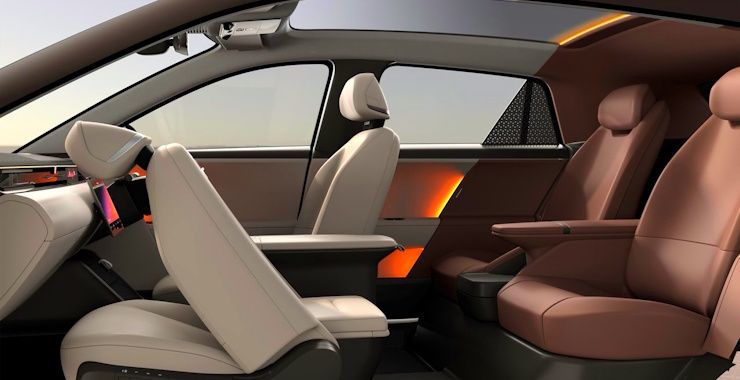
Using a Chinese platform may speed things up, but it also creates a positioning challenge. Avinya is meant to be Tata’s premium EV sub-brand. Buyers in that space will expect more than range and features. They will expect refinement, software stability, charging performance, cabin quality, safety and a distinct identity.
If the first Avinya feels like a rebadged or lightly reworked Chinese-platform product, the strategy could weaken the brand. If Tata uses the platform only as a base and builds a clearly differentiated vehicle around it, the move becomes easier to justify.
The company will reportedly rework electronics, software and vehicle systems for Indian needs. That work is not cosmetic. In a premium EV, software behaviour, user interface, ADAS calibration, thermal management and battery performance are central to the ownership experience.
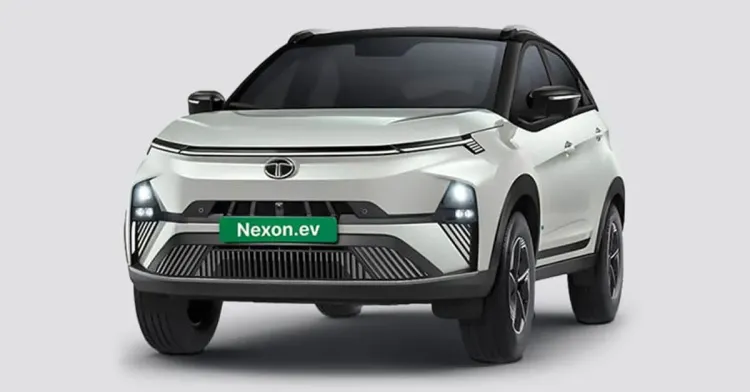
Tata is strong in India’s lower and mid-priced EV segments. It has built early advantage through the Nexon EV, Tiago EV, Punch EV and other models. But the premium EV market is becoming more active.
Mahindra is pushing its born-electric SUVs. JSW MG Motor is expanding its EV play. Hyundai, Kia and global luxury brands are also increasing EV activity. If Tata delays Avinya too long, it risks being seen as a strong affordable EV maker but not a serious premium EV player.
That is why the Chery-JLR platform route may be a practical decision. It reduces development risk and shortens the path to launch. The trade-off is that Tata must manage localisation, regulatory sensitivity and brand perception carefully.
The move shows how difficult the premium EV race has become. Automakers want localised, advanced, software-rich EVs at competitive prices. But building that capability from the ground up takes years and large investment. Chinese platforms offer speed and cost advantages, but they also bring dependence and political sensitivity.
For Tata, the Chery-JLR iMAX platform route could get Avinya to market faster than the original EMA plan. It could also give the brand access to a more mature EV supply chain. But it will not automatically guarantee success.
The final product will have to prove itself on price, range, charging speed, software quality, service experience and perceived premium-ness. The platform may come from China, but the customer will judge it as a Tata.
Via ETAuto
Comments are closed.