
Young People Are Confused By What Office Workers Did All Day Before Computers & Cell Phones

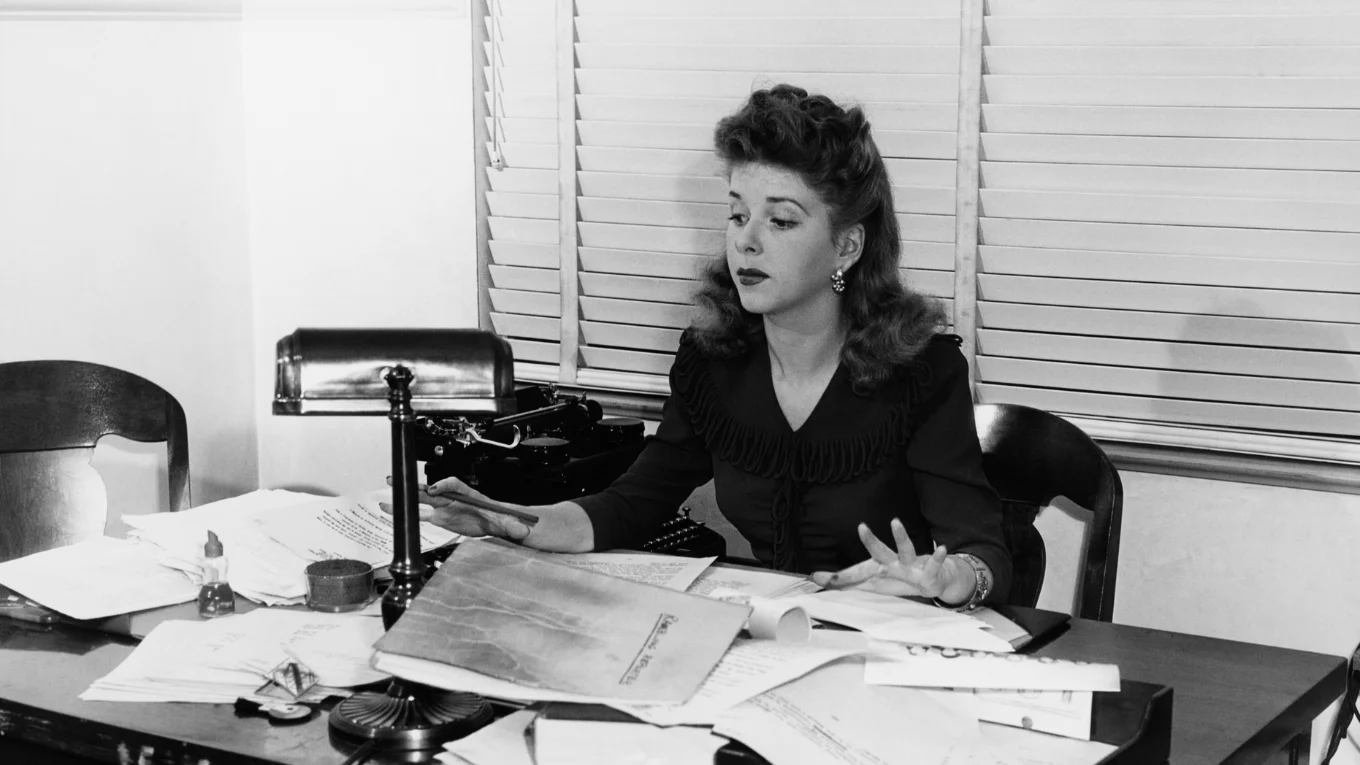
Imagine a modern office. The open floor plan is likely filled with laptops, tablets, and the buzz of cell phone notifications. But what did people do in the workplace before these things? Young people are wondering.
Technology is entirely intertwined with our lives nowadays, and it’s hard for many to imagine a world without it. Computers, cell phones, tablets, and the like have become a natural part of our lives and jobs. In fact, if you have an office job, it’s likely impossible to perform your daily tasks without modern tech.
Young people have no clue what boomers did in the office before they had modern technology to work with.
An X user named Trent questioned what exactly boomer office workers did before the advent of computers and cell phones.
“What did an office job look like before computers or cell phones?” he asked. “People got to the office at 9 a.m. There was just a desk there and a telephone. What did they even do?”
One user sarcastically replied, “Everyone just sat around, waiting for technology to invent some useful stuff that they could use.”
Despite the humor, it’s concerning that some members of younger generations don’t know what older workers did in the office before they had cell phones and computers. After all, it seems like the answer should be fairly obvious.
This lack of understanding contributes to the animosity between different generations.
Human resources solutions group TriNet wrote about the importance of understanding how different generations fit into the workforce. They pointed out that younger generations are indeed the technology-proficient ones.
“It’s important to recognize that millennials, Gen Z, and the later years of Gen X grew up with vast advancements in technology,” they said. “These groups are digital natives, which means they tend to have an automatic understanding of it. They typically take less time getting up to speed with new technologies. And they can often suggest technological solutions in the workplace to increase productivity and output.”
Zoran Jesic | Shutterstock
Meanwhile, boomers are more focused on “traditional perks.” According to TriNet, “Getting things accomplished at work and having those accomplishments recognized and rewarded can go a long way in managing a baby boomer employee.”
Younger generations are more familiar with technology, while older generations prefer to do things the old-fashioned way. This has led to some tension between the two groups over the years.
Older generations took this post on X as an opportunity to educate younger generations.
Trent followed up his original post with a copy of a message someone sent him. This person described their experience working in real estate.
“There were relationships built on meeting each other rather than a cheap email and text message,” they wrote. “You were forced to get in your car and drive to look at sites rather than Google Earth. You were forced to pick up the phone and cold call potential tenants out of the Yellow Pages phone book and face rejections.”
 melissamn | Shutterstock
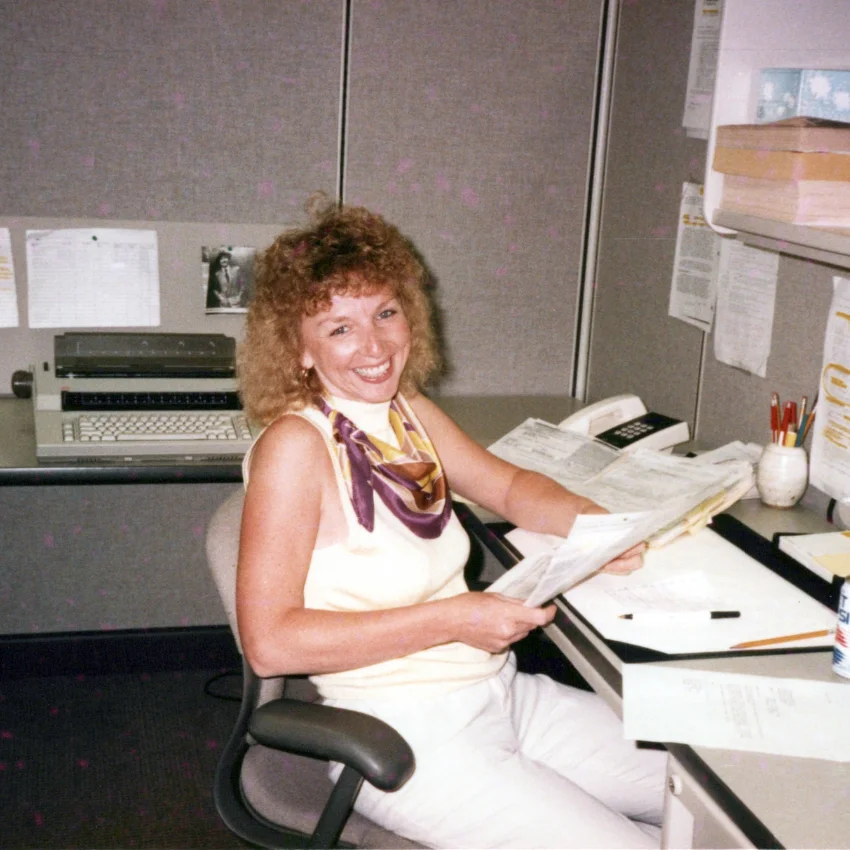
Another X user replied to the post, sharing their own experiences. “We had an ‘in’ tray and ‘out’ tray,” they wrote. “We typed memos on typewriters … We had the phone numbers of dozens of our friends, clients [and] suppliers memorized. We talked on the phone for hours each day. We carried Franklin Planners and kept lists of all of our contacts and maintained our calendar in them.”
Really, we all know that older generations, like baby boomers, had plenty to keep them occupied at work. However, it is difficult for younger people to imagine working without a computer and cell phone.
Being able to take your work anywhere is a hallmark of millennial and Gen Z culture. Of course, technology certainly comes with its benefits, and many love working from home, but your work no longer turns off when you leave the office or step away from the computer. Emails, texts, and Slack messages rarely respect working hours when you can work from anywhere.
It’s interesting to consider the fact that there was a time before this, when work really did stop for the day. As one person wrote, “When you left the office, you left the office.”
Mary-Faith Martinez is a writer with a bachelor’s degree in English and Journalism who covers news, psychology, lifestyle, and human interest topics.

Comments are closed.