
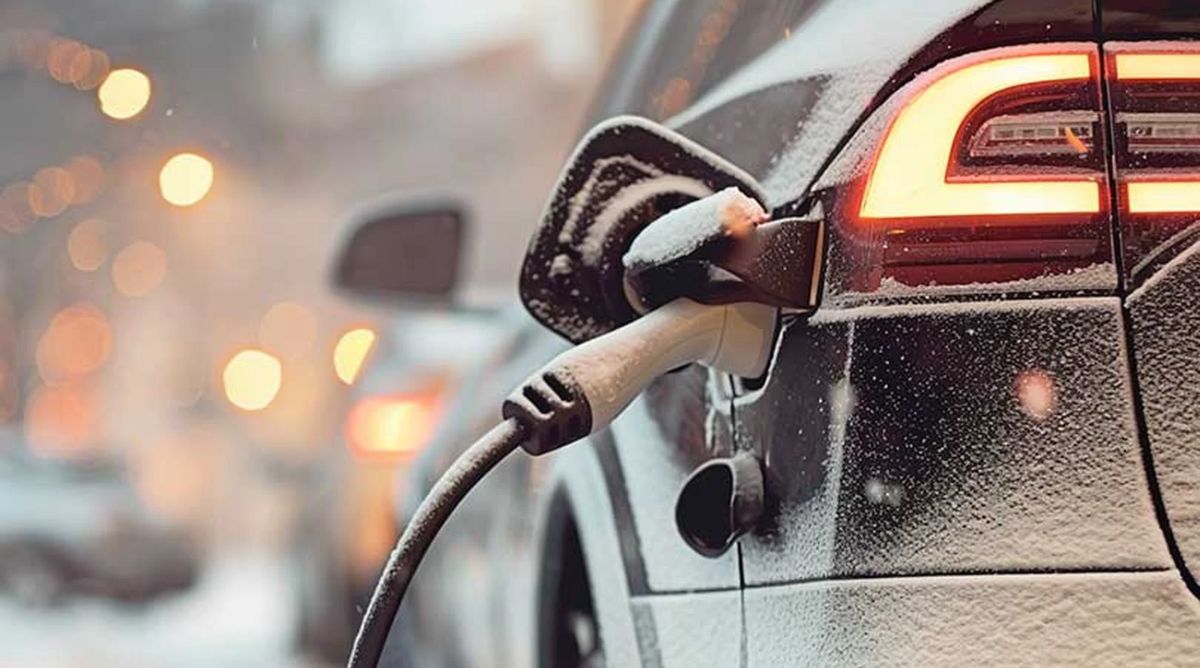

EV Battery Degradation: Consumers buying electric vehicles (EVs) often have questions about how long their car’s battery will last and how different climates affect it. Especially there is discussion about which season, summer or winter, is more harmful for the EV battery.
Cold and maritime climate areas
On this topic, Recurrent, an organization that analyzes data of electric vehicles, has conducted a study based on Tesla cars. This research found that the battery life of Tesla vehicles used in areas with cold and maritime climate remains better than in extremely hot areas.
Performance at approximately 90 percent of capacity
In the research, ‘Range Score’ was taken as an important parameter, which tells what percentage of capacity the battery is currently providing compared to a new car. For example, if a vehicle has a range score of 90, it means it is performing at about 90 percent of its initial capability.
Tesla’s battery thermal system advanced
The study divided climate into different categories, with humid and dry summers placed in one group, while cold, extremely cold and maritime areas were included in the other group. Tesla was chosen for this study because it has a wide market presence, which allowed ample data to be available. Apart from this, Tesla’s battery thermal management system is also considered to be highly advanced, which helps in keeping the battery safe in terms of temperature, whether the vehicle is charging or parked.
Chemical processes inside the battery
The battery capacity of electric vehicles naturally declines over time, but extreme heat can accelerate this process, according to the report. Scientists say that when the temperature goes above 30 degrees Celsius, the chemical processes occurring within the battery speed up, increasing the possibility of long-term damage.
Correct care and charging habits
At the same time, the range of electric cars may be temporarily reduced in cold weather because a part of the battery energy is spent in keeping the cabin and the system warm, but this does not cause permanent damage to the battery. When the temperature returns to normal, the vehicle’s efficiency also returns to normal levels. The study also observed that EV batteries being used in many hot zones were also in good condition, thanks to the right care and charging habits by users.
Keeping the battery at about 50 percent charge
Some measures have also been suggested to keep the EV battery safe, such as parking the vehicle in the shade or in a garage in bright sunlight, keeping the battery at about 50 percent charge during prolonged parking, and if possible, choosing a vehicle with LFP (Lithium Iron Phosphate) batteries as they tolerate heat better. Apart from this, if the vehicle has a smart thermal management system, then keeping it connected to the charger is also considered beneficial for battery safety.

Comments are closed.