
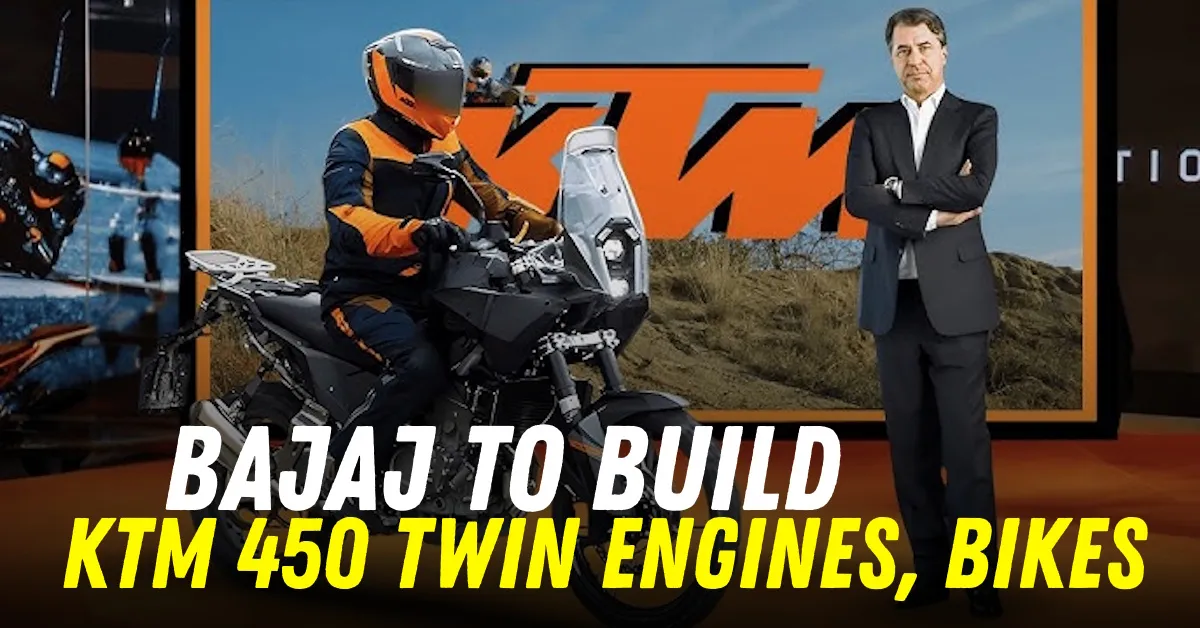
KTM 490 Duke And 490 Adventure Twin Cylinder Motorcycles Are Coming, With Bajaj Building The Engines, Bikes

KTM’s next big product push is a sub-500cc twin-cylinder platform, and the engine is being developed entirely by Bajaj Auto in Pune. The 490 range is expected to debut at EICMA 2027, followed by a market launch a few months later.
The first two models are likely to be the 490 Duke street naked and the 490 Adventure. A possible RC 490 sports bike and a Husqvarna-badged model under the 501 name are also being discussed, though those will depend on how the first models perform.
Manufacturing will happen at Bajaj’s Chakan plant, the same facility that produces KTM’s smaller-capacity global models for India and export markets. The Chakan plant has been central to KTM’s small-capacity strategy for more than a decade. The 490 range continuing from there shows Bajaj’s role is now moving well beyond contract manufacturing.
The current KTM 390 range uses a single-cylinder engine. In its latest form, the 390 Duke’s 399cc engine produces around 46PS and 39Nm, which already puts it close to the limit of what KTM can do while keeping the bike compact, affordable and compliant with global regulations.
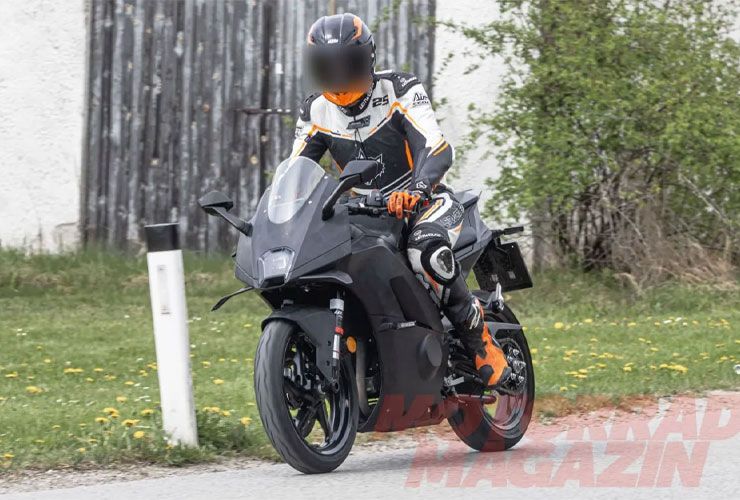
The new 490 platform is being designed around Europe’s A2 licence category, which caps maximum power at 35kW, or roughly 47bhp. This is a critical regulatory limit in Europe for younger or newer riders. A motorcycle that fits within this cap can reach a much larger buyer base than a more powerful middleweight that requires a higher licence category.
A 490cc twin-cylinder layout allows KTM to deliver similar A2-friendly peak power while offering a different riding experience. The point is not only a higher number on the spec sheet. A twin-cylinder engine should feel smoother, more refined at highway speeds and more flexible over longer rides.
Bajaj has been KTM’s India manufacturing partner since 2007, but the 490 project marks a deeper level of involvement. The new twin-cylinder engine is being developed by Bajaj in India, not merely assembled here.
That matters because KTM is going through a reset globally. After financial stress and restructuring, the brand needs platforms that can be produced efficiently and sold across multiple markets. Bajaj’s cost structure, supplier base and production scale give KTM a way to bring a twin-cylinder motorcycle to market without pricing it like a traditional European middleweight.
For Bajaj, the project also strengthens India’s role in global premium motorcycle development. The Chakan facility is no longer only a base for entry-level performance bikes. With the 490 range, it becomes the production centre for KTM’s next international step up from the 390 family.
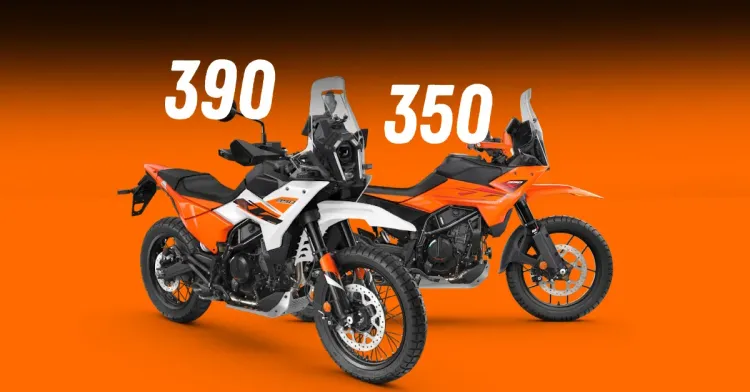
This is where the strategy becomes interesting. Globally, the 490 range could eventually replace the 390 platform. Running two platforms with similar power outputs in the same segment may not make long-term commercial sense.
India could be treated differently. The 390 lineup is likely to continue here as the more accessible performance option, while the 490 Duke and 490 Adventure sit above it as a more refined and premium step up.
That would give KTM a clearer ladder in the Indian market. A rider could start with the 250 or 390 range and then move to the 490 without jumping straight to a much larger and more expensive motorcycle. For existing 390 owners, the 490 becomes the natural upgrade, especially if they want smoother highway performance and a stronger touring character.
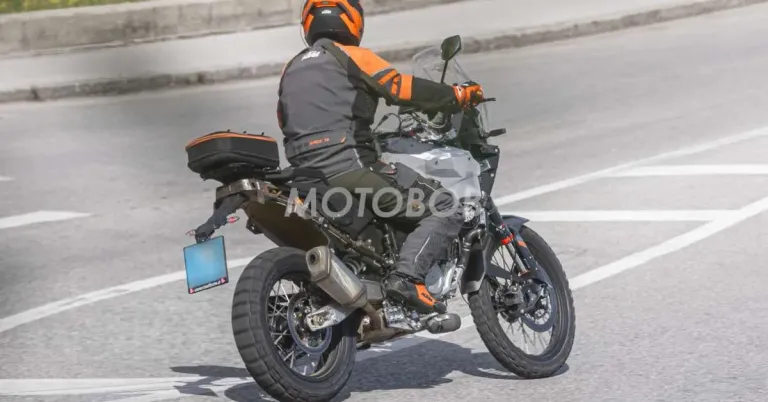
The 490 Duke will draw attention, but the 490 Adventure may be the more important model for India. The adventure-touring segment has grown steadily, and riders now look beyond city performance. They want comfort, range, luggage options, better high-speed cruising and a calmer engine at highway speeds.
The current 390 Adventure is already popular among enthusiasts, but its single-cylinder character is not for everyone. A twin-cylinder 490 Adventure could fix that issue while staying lighter and more affordable than larger adventure bikes.
This is also where KTM will face strong competition. The 490 Adventure will likely be compared with the Aprilia Tuareg 457 if it comes here, the BMW F 450 GS, Honda NX500 and Kawasaki Versys-style alternatives. The Duke will face the Aprilia Tuono 457 and other twin-cylinder roadsters.
No prices have been announced yet. But domestic production gives KTM a major advantage. The Aprilia RS 457 and Tuono 457 currently sit around the Rs 4.5 lakh to Rs 5 lakh range ex-showroom, depending on variant and city. That gives a clear reference point for the KTM 490 twins.
If KTM can keep the 490 Duke close to this band and price the 490 Adventure sensibly above it, the range could become highly relevant for riders moving up from the 390 class.
The risk is overlap. If the 490 is priced too close to larger imported bikes, buyers may see it as expensive. If it is priced too close to the 390, it could hurt the existing lineup. KTM and Bajaj will need to manage that gap carefully.
For current 390 Duke and 390 Adventure owners, the 490 range looks like the upgrade they have been waiting for: more engine character, more refinement and a platform built in India for global markets.
Comments are closed.