
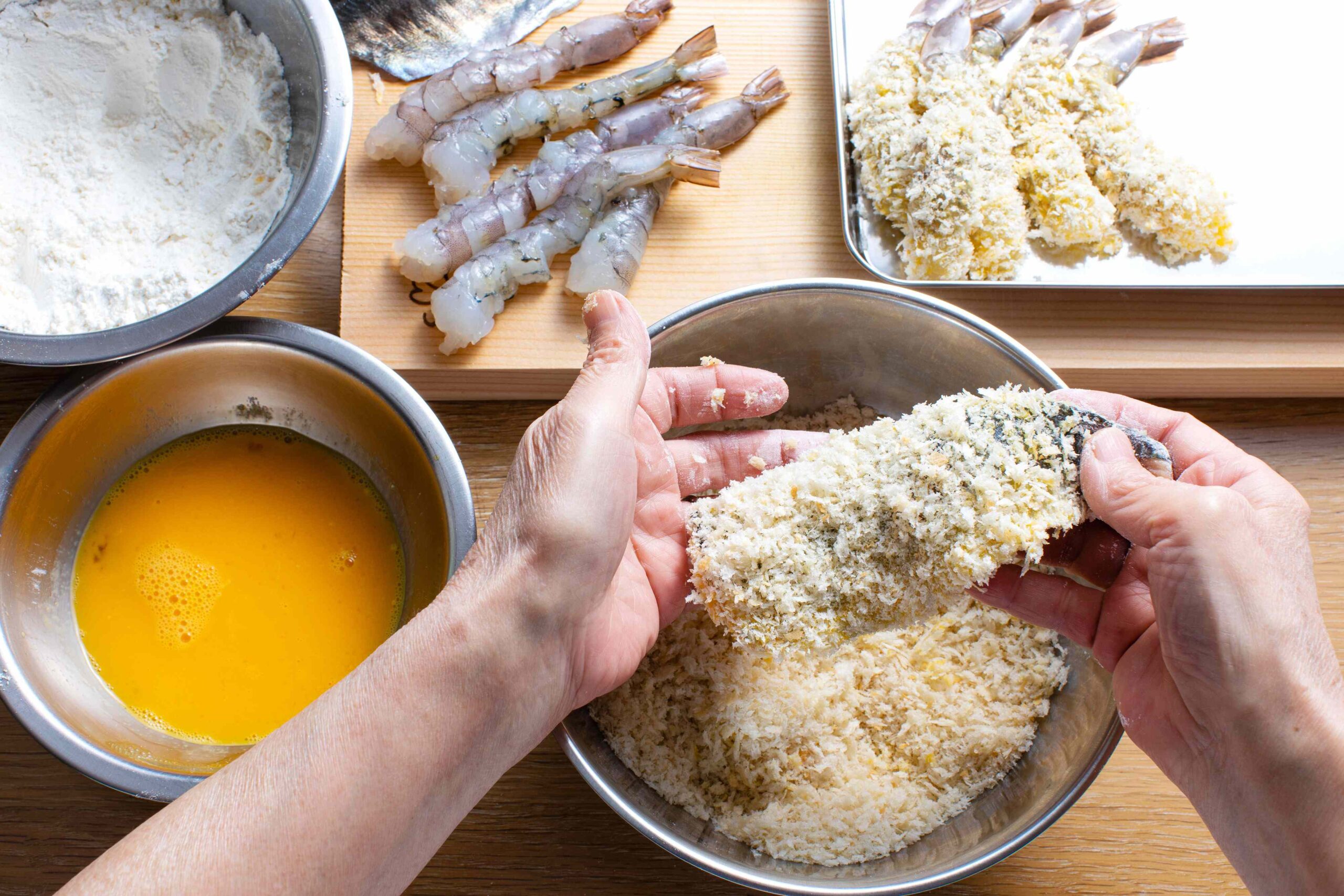

Japanese tempura is famous for its delicate, airy crunch that feels remarkably lighter than many other fried foods. While many people assume the secret lies solely in hot oil, chefs say the magic comes from a combination of cold batter, minimal mixing, precise timing, and careful frying techniques.
Here’s why Japanese-style frying achieves its signature crisp texture.
The Secret Starts With Ice-Cold Batter
One of the most important elements of tempura is keeping the batter extremely cold.
Japanese chefs often use:
- Ice-cold water
- Chilled bowls
- Refrigerated ingredients
The temperature difference between the cold batter and hot oil creates a rapid reaction that helps produce a thin, crispy coating.
Why It Matters
Cold batter slows gluten development, preventing the coating from becoming heavy, chewy, or bread-like.
Less Mixing Creates Better Texture
Unlike pancake or cake batter, tempura batter is intentionally mixed very little.
In fact, small lumps are considered desirable.
The Goal
- Avoid overdeveloping gluten
- Maintain a light coating
- Create an irregular, airy texture
Many Japanese chefs stir the batter only a few times before frying.
Tempura Uses a Thin Batter
Japanese frying typically relies on a delicate batter rather than thick coatings or heavy breadcrumbs.
The batter usually contains:
- Flour
- Cold water
- Occasionally egg
This simple mixture allows the natural flavor of seafood and vegetables to shine through.
Timing Is Everything
Professional tempura chefs often prepare batter in small batches and fry ingredients immediately after coating them.
Why?
If the batter sits too long:
- It warms up
- Gluten develops further
- Crispness decreases
Fresh batter produces the lightest results.
Oil Temperature Must Be Carefully Controlled
Hot oil is important, but excessively hot oil can burn the coating before the food cooks properly.
Japanese chefs typically maintain precise frying temperatures depending on the ingredient.
Benefits of Proper Temperature
- Even cooking
- Golden color
- Reduced oil absorption
- Crisp texture
Consistent heat is one of the hallmarks of great tempura.
Ingredients Are Never Overcrowded
A common mistake is placing too much food into the fryer at once.
Overcrowding causes:
- Oil temperature to drop
- Uneven cooking
- Greasy results
Japanese chefs fry in small batches to preserve crispness.
Quality Ingredients Make a Difference
Because tempura batter is intentionally light, the quality of the ingredients becomes especially important.
Popular tempura ingredients include:
- Shrimp
- White fish
- Sweet potato
- Eggplant
- Mushrooms
- Green beans
- Pumpkin
The delicate coating enhances rather than hides the ingredient’s flavor.
The Result: A Delicate Crunch
Unlike many Western fried foods that focus on thick, hearty crusts, tempura aims for:
- Lightness
- Airiness
- Delicate crispness
- Clean flavor
The coating should feel almost weightless while providing a satisfying crunch.
Tips for Making Tempura at Home
Do:
✓ Use ice-cold water
✓ Mix batter minimally
✓ Fry immediately after coating
✓ Maintain steady oil temperature
✓ Fry in small batches
Don’t:
✗ Overmix the batter
✗ Let the batter warm up
✗ Overcrowd the fryer
✗ Use thick coatings
Final Thoughts
The extraordinary crispness of Japanese-style frying isn’t the result of a single trick. It’s a carefully balanced combination of cold batter, minimal mixing, proper oil temperature, and precise timing. These techniques create the signature tempura texture that is light, delicate, and incredibly crunchy—proving that sometimes the simplest ingredients produce the most remarkable results.
Comments are closed.