

Summary
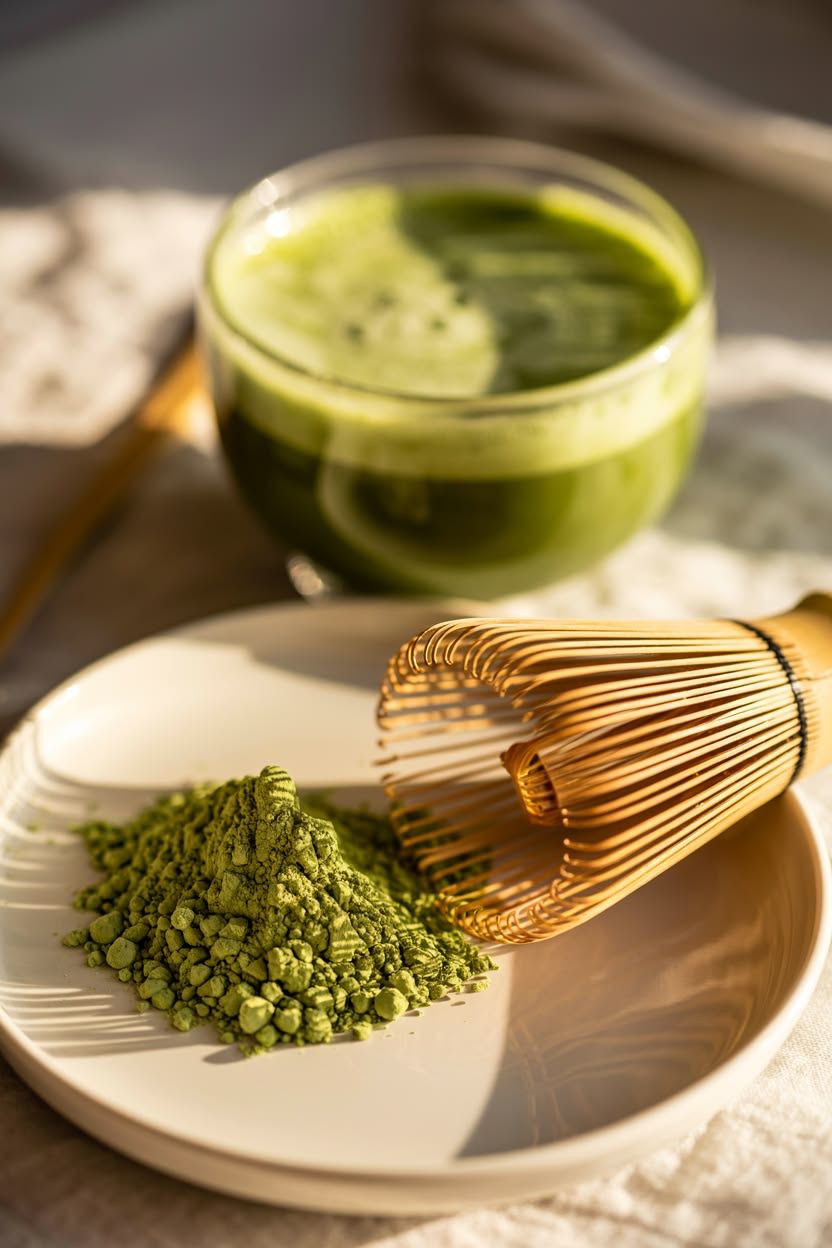
- Matcha, a finely ground green tea powder from Japan, has become one of the most popular drinks around the world.
- From matcha lattes to desserts, this bright green tea has become a symbol of healthy living and modern lifestyle trends.
- Many consumers become interested in learning about the history of matcha, traditional tea ceremonies, and the farming methods used to produce high-quality tea.
AI Generated Summary
Matcha, a finely ground green tea powder from Japan, has become one of the most popular drinks around the world. What was once mainly used in traditional Japanese tea ceremonies is now found in cafes, restaurants, and social media posts across many countries. From matcha lattes to desserts, this bright green tea has become a symbol of healthy living and modern lifestyle trends.
One reason for matcha’s growing popularity is its health benefits. Many people believe it is a healthier alternative to coffee because it contains antioxidants and provides a steady source of energy. Unlike coffee, which can sometimes make people feel nervous or tired after a few hours, matcha is known for giving a more balanced and lasting boost. As more people focus on wellness and healthy habits, matcha has become a favorite choice.
Social media has also played a major role in the rise of matcha. Platforms such as Instagram and TikTok are filled with videos showing people making matcha drinks at home or reviewing popular matcha products. Influencers often share their daily routines, which include drinking matcha as part of a healthy lifestyle. The bright green color of matcha makes it visually appealing, helping it stand out in photos and videos.
Cafes around the world have quickly responded to this trend. Many coffee shops now offer a variety of matcha-based drinks, including iced matcha lattes, smoothies, and even matcha-flavored pastries. Some cafes have built their entire brand around matcha, attracting customers who are interested in trying something different from traditional coffee.
The popularity of matcha has also helped introduce people to Japanese culture. Many consumers become interested in learning about the history of matcha, traditional tea ceremonies, and the farming methods used to produce high-quality tea. This cultural connection adds another layer of appeal for people who enjoy exploring new traditions and foods.
As health trends and social media continue to influence consumer choices, matcha shows no signs of slowing down. What began as a traditional Japanese drink has grown into a global lifestyle trend enjoyed by millions. Its combination of health benefits, unique taste, attractive appearance, and cultural significance has made matcha much more than just a cup of tea.
We welcome your contributions! Submit your blogs, opinion pieces, press releases, news story pitches, and news features to [email protected] and [email protected]
Comments are closed.