
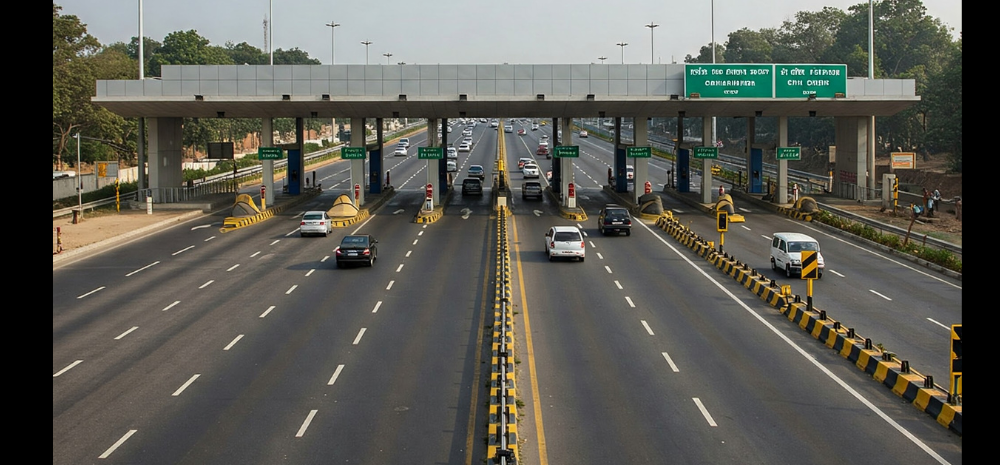

A major infrastructure project aimed at easing traffic congestion in the National Capital Region has moved a step closer to reality. The National Highways Authority of India (NHAI) has submitted a draft alignment report for a proposed 31-kilometre, eight-lane elevated road in Noida. The project is expected to serve as an alternative route to the heavily congested Noida-Greater Noida Expressway while significantly improving connectivity to the upcoming Noida International Airport in Jewar.
The proposed corridor has been under discussion for several months as authorities search for long-term solutions to growing traffic volumes across Noida and Greater Noida. With airport operations expected to drive additional vehicle movement in the coming years, planners are increasingly focused on expanding road infrastructure in the region.
What Is the Proposed Elevated Road?
According to the proposed plan, the elevated corridor will stretch approximately 31 kilometres, running parallel to the Yamuna embankment. The route is expected to begin near the Okhla Barrage area and eventually connect to the Yamuna Expressway, creating an alternative high-speed corridor for commuters travelling between Delhi, Noida, Greater Noida, and Jewar.
The road is being designed as an access-controlled elevated corridor that would allow vehicles to bypass congestion on existing city roads and the Noida Expressway.
Why the Project Is Important
Traffic pressure on the Noida Expressway has been steadily increasing due to rapid urbanisation, commercial development, and residential growth. The opening of the Noida International Airport is expected to further increase traffic volumes, making additional connectivity infrastructure essential.
Officials believe the elevated road could provide a direct and faster route for airport-bound traffic while reducing pressure on existing road networks. The corridor is also expected to improve access to several residential, commercial, and institutional sectors located along the route.
Key Features of the Alignment
The draft alignment reportedly passes through multiple sectors in Noida, including areas between Sectors 95 and 135. The proposal also includes connectivity loops that would allow vehicles to enter and exit the corridor efficiently while maintaining smooth traffic flow.
By elevating the roadway, planners aim to minimise disruptions caused by existing developments and land-use constraints along the Yamuna floodplain.
Challenges Ahead
While the submission of the draft alignment marks an important milestone, several approvals remain before construction can begin. Environmental clearances, land-related approvals, engineering studies, and funding arrangements will need to be finalised. Previous proposals for parallel expressways and riverside corridors have faced hurdles related to floodplain regulations and jurisdictional issues.
Authorities will now review the alignment report before moving toward detailed project planning and execution.
What It Means for Commuters
If approved and constructed, the elevated corridor could significantly reduce travel times for thousands of daily commuters. It would provide an additional route connecting Delhi, Noida, Greater Noida, and the Jewar airport region while helping ease congestion on one of NCR’s busiest expressways.
With large-scale infrastructure projects reshaping the region, the proposed eight-lane elevated road could become a critical component of NCR’s future transportation network, supporting economic growth and improving mobility for millions of residents and travellers.
Comments are closed.