
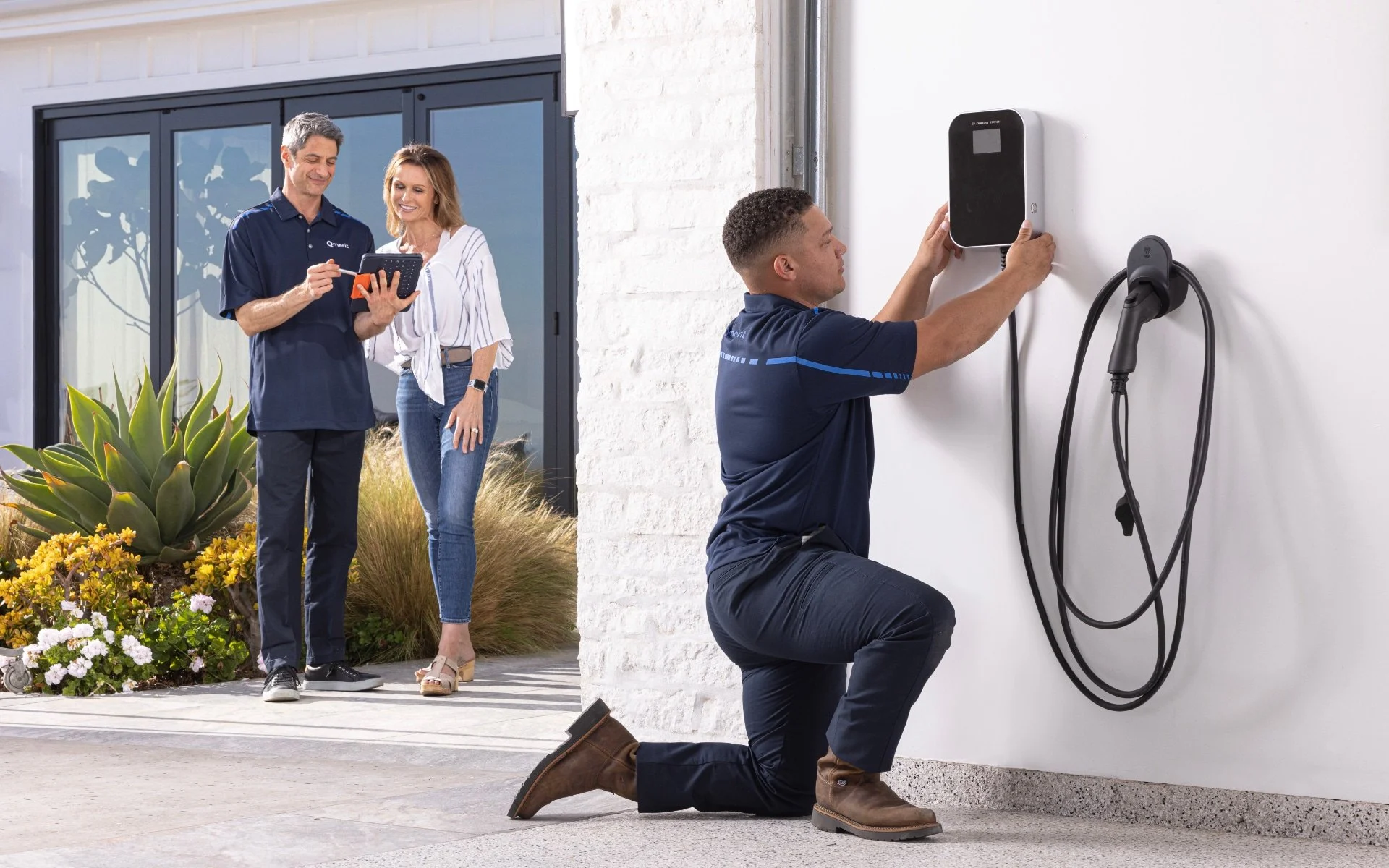

The growing popularity of electric vehicles in the United States is driving a parallel surge in demand for home charging infrastructure. As more households move away from gasoline-powered cars, installing a home EV charger is becoming less of a luxury and more of a necessity.
However, one question continues to dominate discussions among new EV buyers: How much does it cost to install a home EV charger in 2026?
Recent industry estimates show that most American homeowners spend between $800 and $2,500 for a standard Level 2 charger installation, while more complex projects can exceed $5,000 when electrical upgrades are required.
Why Level 2 Chargers Are Becoming the Standard
Most EV owners rely on Level 2 chargers rather than standard household outlets. While a regular 120-volt outlet can charge a vehicle overnight, charging speeds are significantly slower.
Level 2 chargers use a 240-volt connection and can recharge most electric vehicles several times faster, making them the preferred option for daily commuting and long-distance driving. As EV battery capacities continue to grow, faster home charging is becoming increasingly important.
What Determines Installation Costs?
The final installation bill depends on more than just the charger itself.
Electricians say the biggest cost factors include the distance between the electrical panel and the charger location, local labor rates, permit requirements, and the condition of a home’s electrical system. Homes with older electrical panels often require upgrades before a charger can be safely installed.
Equipment costs typically range from $300 to $700, while labor expenses can vary from a few hundred dollars to more than $1,500 depending on project complexity.
For homeowners who need a panel upgrade, total project costs can climb well beyond the national average. Long wiring runs, outdoor installations, and trenching work can also add substantial expenses.
Federal Tax Credit Still Available—but Time Is Running Out
One bright spot for homeowners is the federal Alternative Fuel Vehicle Refueling Property Credit.
Eligible homeowners can currently claim a tax credit equal to 30% of installation costs, up to $1,000. However, multiple industry and government sources indicate that the incentive is scheduled to expire on June 30, 2026, making this year a critical window for consumers planning a home charger installation.
Several states and utility providers are also offering additional rebates that can further reduce upfront costs. In some regions, homeowners may qualify for incentives worth hundreds of dollars beyond the federal credit.
Home Charging Remains the Most Convenient Option
Despite the upfront expense, industry analysts note that home charging remains the most convenient and cost-effective way to power an electric vehicle. Public charging networks continue to expand, but many EV owners prefer the convenience of starting each day with a fully charged battery.
With EV sales expected to remain strong throughout 2026, demand for residential charging infrastructure is likely to grow further. For homeowners considering the switch to electric mobility, installing a charger today may prove to be both a practical investment and a way to take advantage of incentives before they disappear.

Comments are closed.