
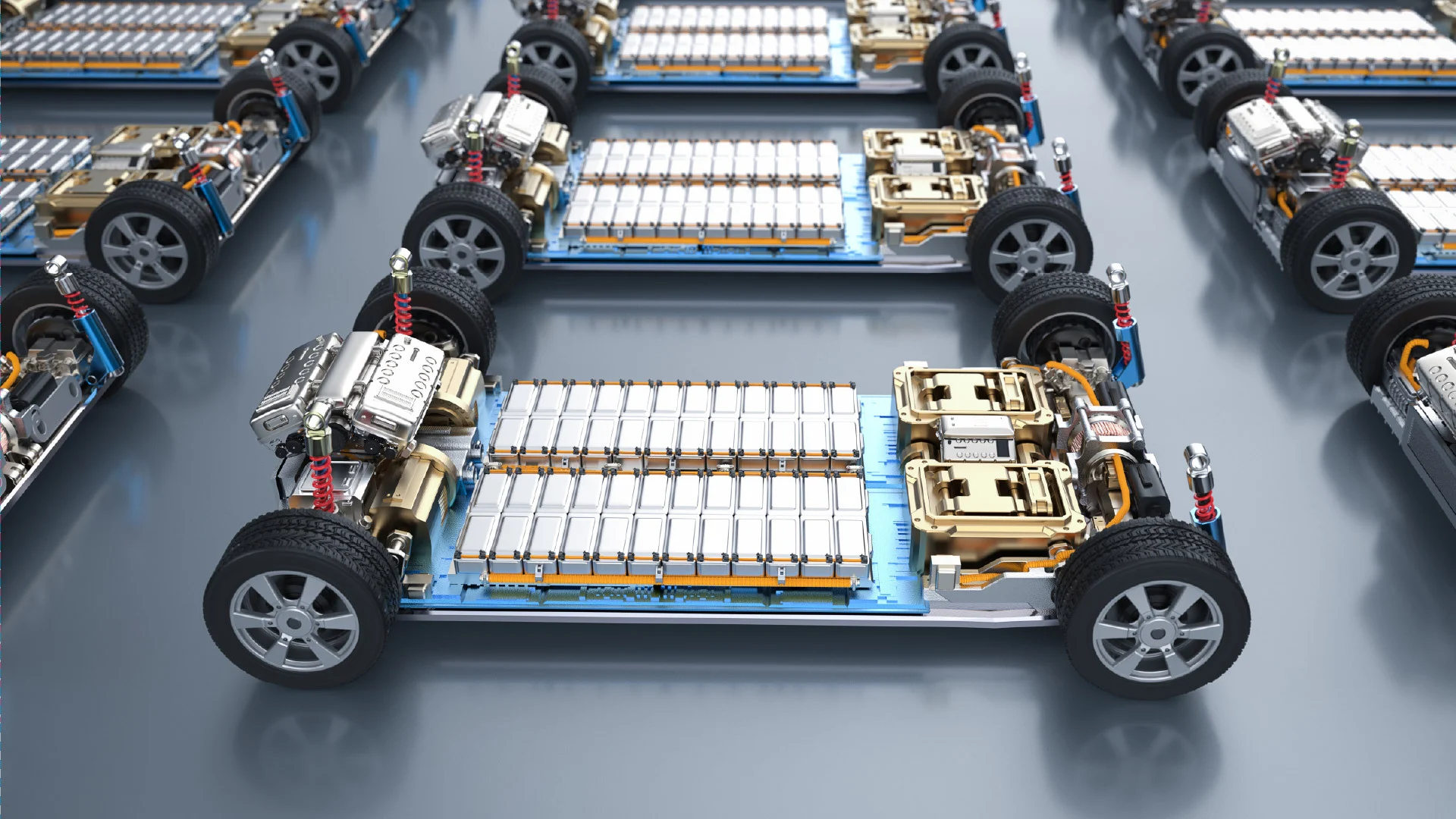

As electric vehicles become increasingly common on roads worldwide, one question continues to dominate conversations among potential buyers: how long do EV batteries actually last?
For years, concerns about battery degradation and expensive replacements have made some drivers hesitant to switch from traditional gasoline-powered vehicles. However, new industry data and real-world performance reports suggest that modern EV batteries are lasting significantly longer than many consumers initially expected.
EV Batteries Are Built for the Long Run
Most electric vehicle manufacturers today offer battery warranties ranging from eight years to 10 years, often guaranteeing at least 70 percent battery capacity during that period. While warranties provide reassurance, actual battery performance is proving even more impressive.
Recent studies tracking thousands of electric vehicles have found that many batteries retain over 80 percent of their original capacity even after 150,000 to 200,000 miles of driving. For the average driver, that could translate into well over a decade of everyday use before noticeable performance declines occur.
Industry experts now believe that many modern EV batteries may last 15 to 20 years under normal driving conditions.
What Causes Battery Degradation?
Like all rechargeable batteries, EV batteries gradually lose some capacity over time. However, degradation is typically much slower than many consumers assume.
Several factors influence battery health, including:
- Frequent use of ultra-fast charging
- Exposure to extreme temperatures
- Consistently charging to 100 percent
- Deep discharging of the battery
- High annual mileage
The good news is that modern battery management systems are designed to minimize wear and optimize charging behavior. Many EVs automatically regulate temperature and charging speeds to preserve long-term battery health.
Real-World Performance Exceeds Early Expectations
When electric vehicles first entered the mainstream market, there was limited information about how batteries would perform after years of use. That uncertainty created concerns about costly replacements.
Today, evidence from older electric vehicles is painting a different picture.
Many early-generation EVs launched more than a decade ago remain on the road with their original battery packs. While some range reduction has occurred, most vehicles continue to function effectively for daily commuting and regular transportation needs.
Fleet operators, ride-hailing services, and commercial EV owners are also reporting strong battery durability despite high usage levels, further reinforcing confidence in long-term battery reliability.
Battery Replacement Costs Are Falling
Even if a battery eventually requires replacement, costs are becoming more affordable.
Battery prices have fallen dramatically over the past decade as manufacturing scales up and new technologies improve efficiency. Industry analysts expect battery costs to continue declining through the remainder of the decade.
In addition, many automakers are investing heavily in battery repair programs that replace individual modules instead of entire battery packs, reducing maintenance expenses for owners.
The Future Looks Promising
Battery technology continues to evolve rapidly. Advances in lithium iron phosphate (LFP) batteries, solid-state battery research, and improved thermal management systems are expected to extend battery life even further in future EV models.
For consumers considering an electric vehicle, the growing body of evidence is encouraging. Modern EV batteries are no longer viewed as short-term components but as durable systems capable of supporting years of reliable driving.
As electric mobility enters a new phase of maturity, the question may no longer be whether EV batteries last long enough, but whether the rest of the vehicle will wear out before the battery does.

Comments are closed.