
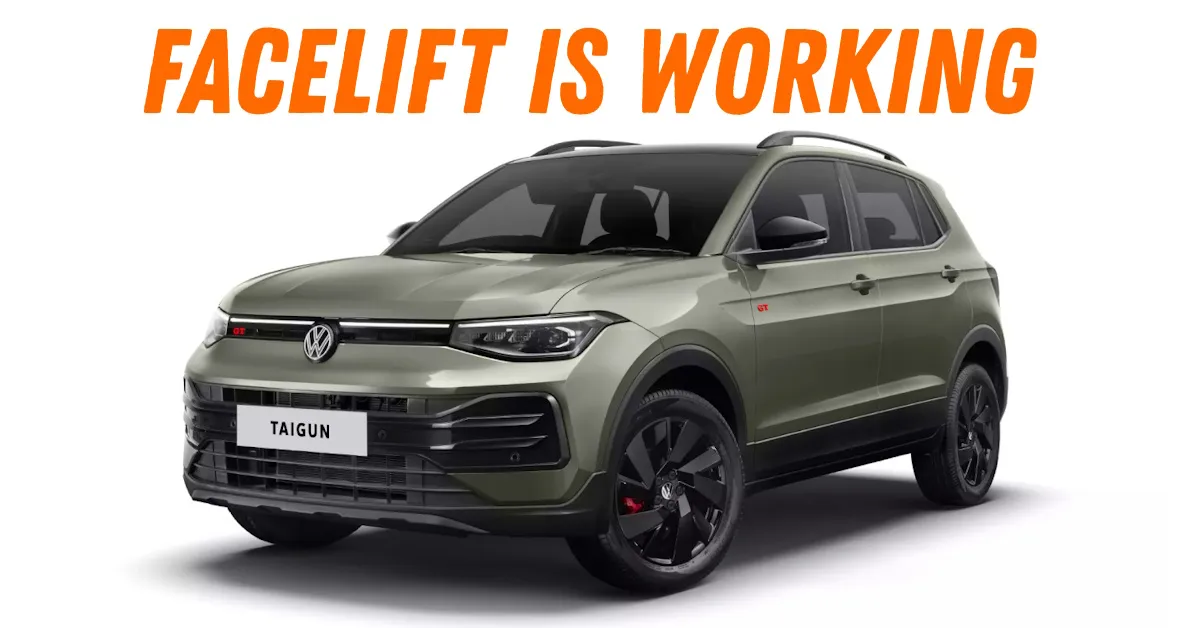

The Volkswagen Taigun facelift, launched in April 2026, has produced a noticeable sales recovery for Volkswagen in the mid-size SUV space. April 2026 recorded 1,543 units, the highest monthly wholesale figure for the Taigun this year and a 70 per cent jump over March 2026’s 908 units. April and May together contributed 2,824 units, accounting for over 54 per cent of the Taigun’s total 2026 volume so far. The Q2 monthly run rate is 77 per cent higher than Q1, and Q2 sales are up 23.8 per cent compared to the corresponding period last year.
The numbers are real, and the facelift is clearly the trigger. But context is useful. April 2026 saw the mid-size SUV segment overall record 74,098 units, up from 42,919 units in April 2025, a 73 per cent year-on-year jump for the segment.
The Hyundai Creta held the segment lead at 15,291 units, and the Kia Seltos grew 72 per cent year on year to 10,566 units. At 1,543 units, the Taigun’s April figure is a recovery, not a charge up the table.

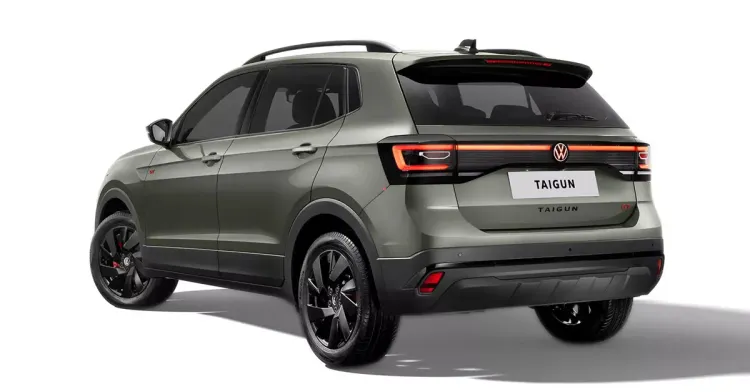
The 2026 Taigun goes beyond a visual overhaul. The exterior updates are incremental: a revised front fascia and a refreshed LED treatment. The more substantive change is the new 8-speed torque converter automatic, which replaces the older 6-speed unit on the 1.0-litre TSI variants. The previous AT’s behaviour in city traffic had been a consistent point of criticism, and this upgrade directly addresses it. The 1.5-litre TSI with the DSG gearbox continues as before on the GT Plus Chrome and GT Plus Sport trims.
Inside, the cabin gets a larger infotainment screen, wireless Apple CarPlay and Android Auto, a revised instrument cluster layout, and a panoramic sunroof on select variants. Ventilated front seats, previously limited to the top-spec trims, now come on lower variants as well.
Pricing starts at Rs 10.99 lakh for the Comfortline 1.0 TSI MT and goes up to Rs 19.30 lakh for the GT Plus Sport 1.5 TSI DSG, all ex-showroom. Higher trims account for approximately 60 per cent of Taigun sales, which means the average transaction price sits well above the entry-level figure.

The Taigun’s positioning has always rested on the combination of the 1.5-litre TSI engine’s performance, European-tuned ride and handling, and its 5-star Global NCAP safety rating. Those remain intact and remain genuine differentiators. Among the sharper-driving options in this price band, the Taigun is consistently rated by owners for its build quality and chassis composure.
The weakness is volume. The Creta retails over 15,000 units a month and has crossed 7 lakh cumulative sales. The Seltos has passed 6 lakh total. The Grand Vitara crossed 3 lakh units in 32 months.
These are numbers the Taigun is not structured to match, given its price positioning and variant mix. It occupies a narrower, more premium slice of the segment, and the segment itself is now stretching in two directions: a more affordable floor introduced by the Victoris, and an expanding performance and three-row upper tier.
The facelift has done what facelifts are supposed to do: renewed buyer attention and lifted the monthly run rate. Whether the Taigun can hold 1,400 to 1,500 units a month consistently, once the launch period fades, will be clearer by the end of Q3.
Comments are closed.