


The road to profitability remains bumpy for electric vehicle manufacturers, and Rivian is the latest example. The American EV startup has announced another round of layoffs, affecting hundreds of employees, as it works to streamline operations and improve its financial performance in an increasingly competitive market.
The move comes at a critical time for the company, which has recently launched its highly anticipated R2 SUV while simultaneously grappling with slowing EV demand and mounting financial pressures.
Credits: International Business Times Australia
Another Round of Job Cuts
Rivian confirmed that it is reducing its workforce by less than 2%, with the layoffs primarily impacting employees in customer service and service-related teams. While the percentage may seem small, the decision underscores the company’s ongoing efforts to control costs and create a more sustainable business model.
This is not the first time Rivian has turned to workforce reductions. In October 2025, the company laid off more than 600 employees, representing roughly 4.5% of its workforce. The latest cuts suggest that management is continuing to fine-tune operations as it seeks a path toward long-term profitability.
According to reports, affected employees will receive severance packages, continued benefits, and career-transition assistance. Rivian is also encouraging impacted workers to apply for other open positions within the company, and those laid off remain eligible for rehire in the future.
The R2 SUV Carries High Expectations
The layoffs come just days after Rivian began delivering its new R2 SUV, a vehicle widely viewed as one of the most important products in the company’s history.
Unlike Rivian’s existing premium offerings—the R1T pickup truck and the R1S three-row SUV—the R2 is designed to appeal to a broader customer base. The company hopes the vehicle will help it compete more directly with mainstream electric vehicle manufacturers, including Tesla.
The success of the R2 could determine Rivian’s next phase of growth. While the R1T and R1S have earned praise for their design, performance, and premium positioning, they cater to a relatively limited segment of buyers. The R2 is expected to expand Rivian’s reach into the mass market, where sales volumes are significantly higher.
Profitability Remains Elusive
Despite its strong brand image and loyal customer base, Rivian continues to face substantial financial challenges.
Company filings reveal that the automaker lost approximately $3.6 billion last year while delivering just over 42,000 vehicles. The numbers highlight the enormous costs associated with scaling production, expanding infrastructure, and investing in future vehicle programs.
Even more concerning is the company’s per-vehicle economics. During the first quarter of 2026, Rivian reportedly lost around $6,000 on every vehicle it delivered. While this represents an improvement compared to earlier years, it demonstrates that the company still has work to do before reaching sustainable profitability.
At the end of 2025, Rivian employed more than 15,000 people across North America and Europe, making workforce optimization an important component of its cost-reduction strategy.
A Difficult Environment for EV Makers
Rivian’s challenges are not occurring in isolation. The broader EV market in the United States has become significantly more difficult over the past year.
Electric vehicle adoption appeared poised for record growth during much of 2025. However, momentum slowed dramatically after federal incentives worth up to $7,500 for EV purchases were discontinued under the Trump administration’s “One Big Beautiful Bill Act.”
The impact was immediate. Battery-electric vehicles accounted for a record 12% of light-duty vehicle sales in September 2025, just before the incentives expired. In the months that followed, EV market share dropped sharply to below 6%.
As a result, 2025 became the first year in which annual battery-electric vehicle sales and market share declined in the United States.
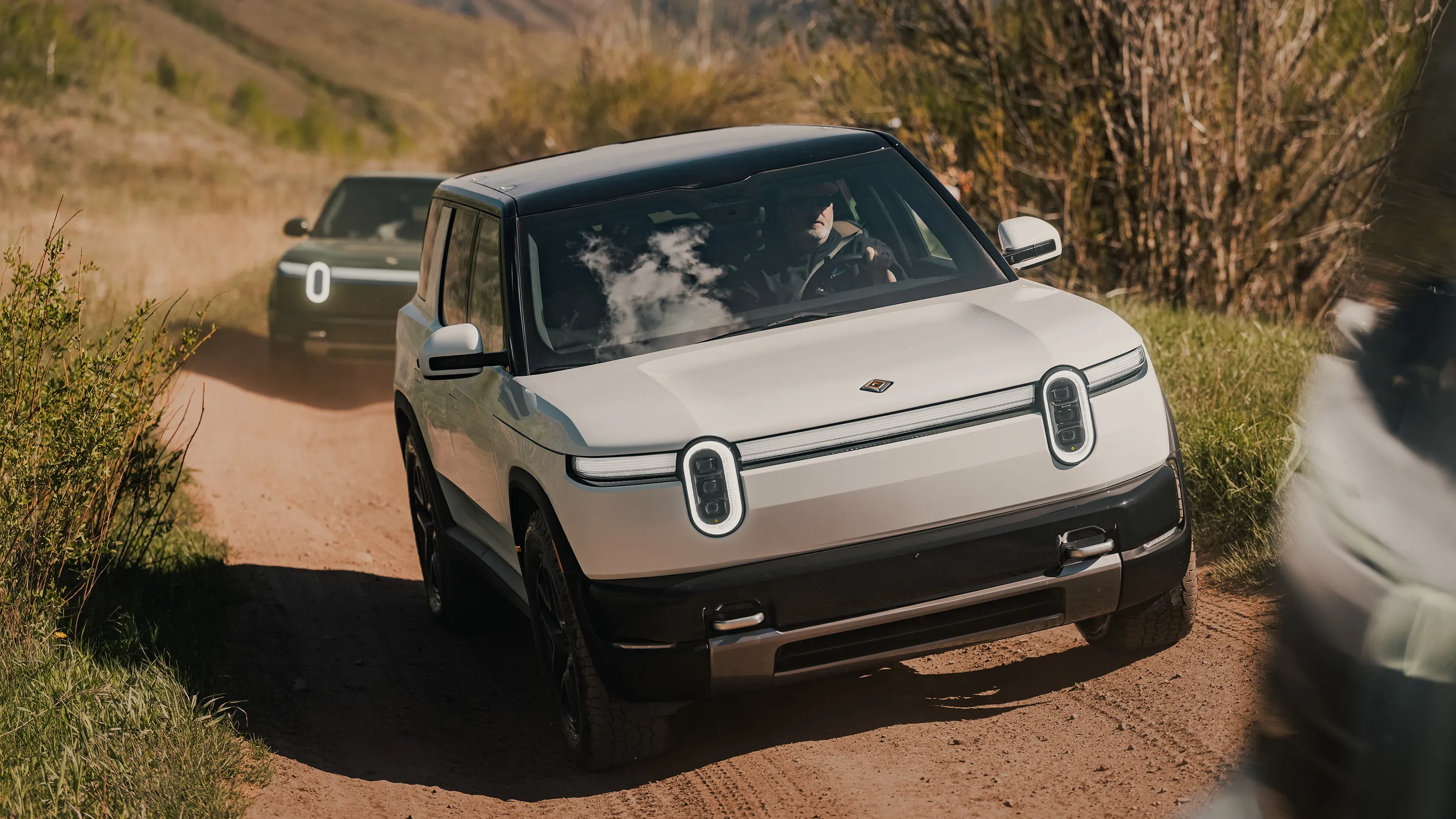
Credits: WIRED
The Road Ahead
While Rivian faces undeniable obstacles, the company is far from giving up. The launch of the R2 SUV represents a major opportunity to increase sales volumes and improve manufacturing efficiency.
For now, however, the automaker finds itself balancing two competing priorities: investing for future growth while reducing costs enough to achieve profitability. The latest layoffs reflect that delicate balancing act.
As the EV industry enters a more mature and competitive phase, Rivian’s ability to execute on the R2 launch and improve its financial performance may ultimately determine whether it becomes a long-term winner in the electric mobility revolution.

Comments are closed.