

200 Litres a Day: What the Diesel Buying Cap Means for Trucks, Fleets, And Ordinary Drivers

The central government has capped diesel sales at petrol pumps at 200 litres per vehicle per day and has barred industrial, commercial, and institutional buyers from purchasing fuel at retail outlets altogether. The order, issued under the Essential Commodities Act as the Motor Spirit and High-Speed Diesel (Temporary Regulation of Supply through Retail Outlets) Order, 2026, came into effect on June 12 and is valid for 90 days unless extended or revoked earlier.
The trigger was a big surge in retail fuel sales. In May 2026, petrol sales at state-run pumps operated by IOC, BPCL, and HPCL jumped 4.8 per cent and diesel sales rose 6.4 per cent compared to the month before.
The ministry identified the cause: the West Asia conflict pushed fuel prices up globally, but retail pump prices and bulk supply prices moved at different rates. Industrial, commercial, and institutional buyers who normally procure diesel in bulk at one price found it cheaper to send vehicles to the local petrol pump instead. Retail outlets in some regions were running short as a result.
The 200-litre per vehicle per day limit applies at retail petrol pumps. Diesel must be dispensed directly into a vehicle’s tank or into PESO-approved containers. The order blocks bulk containers and jerry cans being filled beyond that limit at retail outlets. Industrial, commercial, and institutional users are not permitted to purchase at retail pumps at all under this order, regardless of the volume they want.

For a passenger car or SUV, a 200-litre daily cap is irrelevant since no car has a fuel tank that approaches that figure. For an ordinary driver filling up a diesel sedan or SUV, nothing changes. The cap is designed entirely to prevent bulk buyers from draining retail outlet stocks.
The segment that the order does affect in practical terms is trucking and fleet operations. A single heavy commercial vehicle can carry a fuel tank of 300 to 400 litres. Under the 200-litre cap, a large truck cannot be filled to capacity in a single transaction at a retail pump.
Fleet operators who have been routing vehicles through retail pumps to exploit the price differential will now either be blocked entirely as commercial users or will face a fill-up limit that requires multiple visits.
For diesel car and SUV owners who use retail pumps regularly, the short-term effect is improved availability and shorter queues at retail outlets. The abnormal surge in diesel volumes at pumps was straining supply in certain regions, and reducing that industrial and commercial diversion will ease pressure on retail supply.
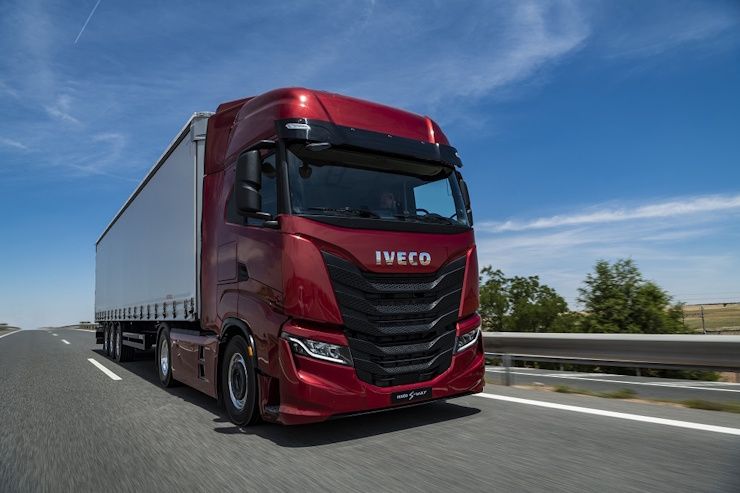
For fleet operators, small transport businesses, and commercial vehicle owners, the order introduces an operational constraint. Bulk supply channels remain available to them, but at the bulk price, which is currently higher than the subsidised retail pump price. That price differential is the core of the problem. And the 90-day order is a containment measure rather than a structural fix.
The government has not indicated it will adjust bulk pricing or retail pricing during the 90-day window to close the differential that caused the surge in the first place. The order is meant to control behaviour at the pump. The pricing structure that created the incentive to misuse retail channels remains unchanged though.
Comments are closed.