
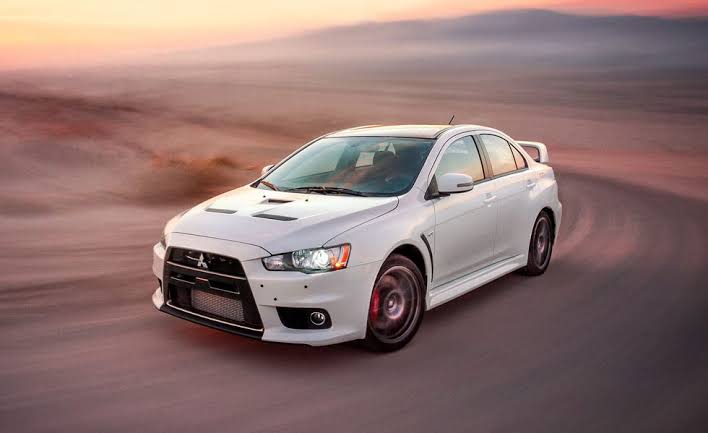

Mitsubishi Motors has reignited hopes among performance-car fans after its new president said the company wants to become capable of building another great car in the mould of the legendary Lancer Evolution.
Speaking at Mitsubishi Motors’ 57th Annual General Meeting of Shareholders in Tokyo on June 18, President and COO Keisuke Kishiura stopped short of confirming a new Lancer Evolution. Still, his remarks made one thing clear: the company knows how much its old performance icons continue to matter.
The comments came as Mitsubishi outlined a wider strategy built around distinctive SUVs, pickup trucks, plug-in hybrids and closer collaboration with alliance partners Nissan and Renault.
Lancer Evolution Still Holds a Special Place
During the shareholder meeting, Mitsubishi was asked whether it could revive famous nameplates including the Lancer Evolution, Galant and Diamante. The request followed enthusiasm around the company’s plan to bring back the Pajero nameplate.
Kishiura called those cars “treasures” for Mitsubishi Motors. While he confirmed there are no concrete plans to reintroduce them at present, he said the company wants to build the capability to create another vehicle that can earn the same level of admiration.
For enthusiasts, that is not a product announcement. But it is more than a routine corporate answer.
The Lancer Evolution was once Mitsubishi’s global performance symbol. With turbocharged engines, all-wheel-drive grip and rally-bred character, the Evo built a loyal following far beyond Japan. Its departure left a gap in Mitsubishi’s identity, especially as the brand moved towards crossovers and electrified vehicles.
A New Focus on Mitsubishi’s Strengths
Mitsubishi’s updated medium- to long-term vision places greater emphasis on products that feel distinctly Mitsubishi. The company plans to focus resources on its off-road range and ASEAN-focused products, where it believes it has a stronger competitive advantage.
The upcoming Pajero revival is central to that approach. Mitsubishi also highlighted the next-generation Xpander and its continued focus on frame-based vehicles such as the Triton pickup.
At the same time, the company is leaning on partnerships to fill gaps in markets where developing every model independently would be expensive or inefficient. Mitsubishi will work with Nissan on a new pickup truck project for North America and plans to introduce electric vehicles developed by Foxtron in Australia from fiscal year 2026.
That strategy may not sound like a direct route to another Lancer Evolution. Yet it could free up resources for Mitsubishi to invest in the kind of specialist engineering that once made the Evo a standout.
PHEV Technology Could Shape a Future Performance Car
Mitsubishi has also made clear that electrification will remain a major part of its future. The company plans to expand hybrid and plug-in hybrid offerings, built around its in-house PHEV expertise.
That opens an interesting possibility. If Mitsubishi ever returns to the performance-car space, it may not simply recreate the old formula. A future Evo-inspired model could combine electric torque, advanced all-wheel-drive control and rally-style durability.
Kishiura also said competing in the World Rally Championship as a factory team remains a personal dream, though Mitsubishi has no current plan to return. Even so, the statement signals that motorsport still has emotional value inside the company.
For now, Mitsubishi is not promising a new Lancer Evolution. But it is openly acknowledging that the spirit behind the car still matters. For fans, that may be the first sign that the story is not finished yet.

Comments are closed.