
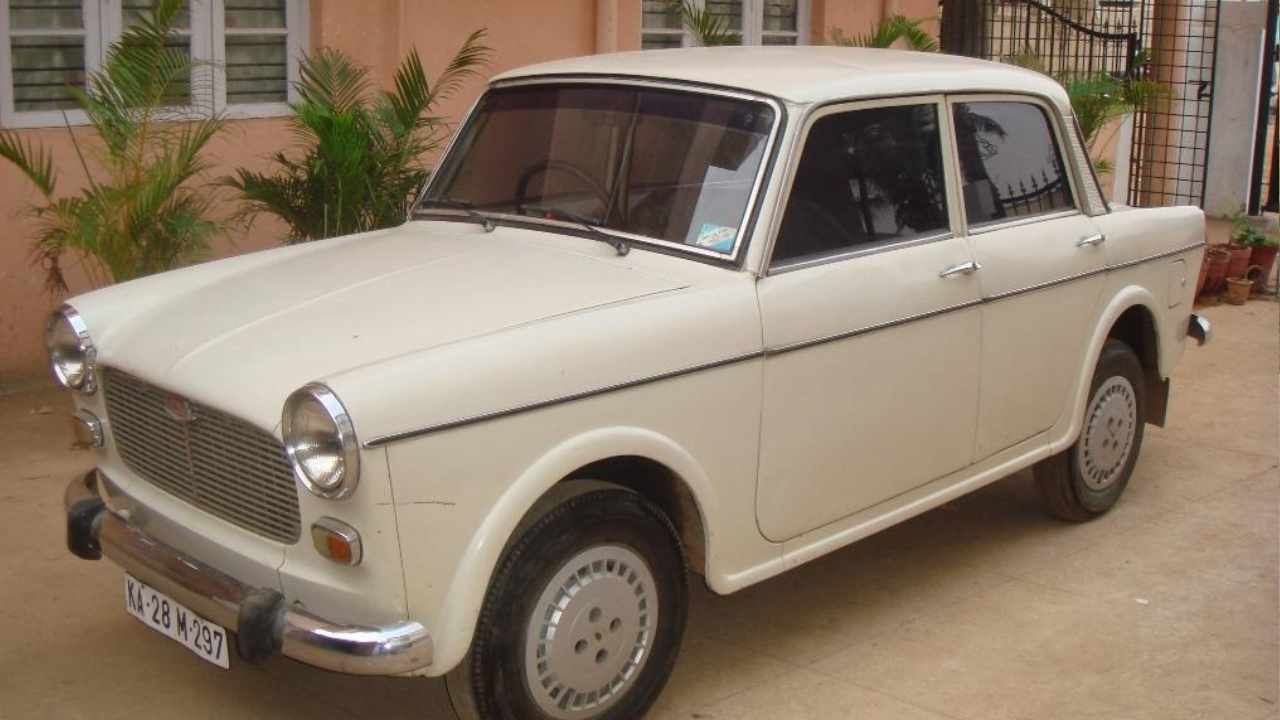
Queen Padmini’s name and Italian design! How did ‘this’ car, which made Bollywood stars crazy in the 80s, become the identity of Mumbai?

In the 70s and 80s, owning a car was considered highly prestigious in India. A car that was sure to feature in the garages of the rich and famous during that time, it made the entire nation crazy with its sleek and modern design. This car is ‘Premier Padmini’. But, very few people know that the real story of this car is linked to a foreign brand and directly to the Queen of Chittorgarh.
Mercedes scrapped the car’s paint overnight to win the race! Mercedes’ white car became ‘Silver Arrow’?
When Premier Automobiles introduced this car in India in 1964, its original name was Fiat 1100 Delight. This car was based on the design of famous Italian company Fiat. Later in 1974, in a wave of indigenization, the company changed the name of this car to ‘Premier Padmini’. It was named after the historical queen ‘Padmini’ of Chittorgarh. Weighing in at 895 kg, the car was powered by a powerful 1089 cc petrol engine that produced 40 horsepower.
How did the shape of Rolls Royce’s front grill become their brand identity? How did Greek temple architecture become a ‘status symbol’?
Padmini was compact in size, easy to drive and very stylish in appearance compared to its main competitor ‘Ambassador’ car of the time. This is the reason why she became the first choice of celebrities like Bollywood veteran actors Rajinikanth, Mammootty and Aamir Khan. Later this car created a new history as the black and yellow taxi of Mumbai and became the lifeline of Mumbai.
But, the arrival of ‘Maruti 800’ in 1983 marked the end of this car’s empire. Maruti’s car was cheaper, higher mileage and easier to maintain than Padmini. With changing times, the design of Premier Padmini became outdated. Finally, the car was permanently discontinued in the year 2001 due to new pollution regulations and declining sales. Although this car is not seen on the roads today, it is still recognized as a golden page in Indian automobile history.

Comments are closed.