
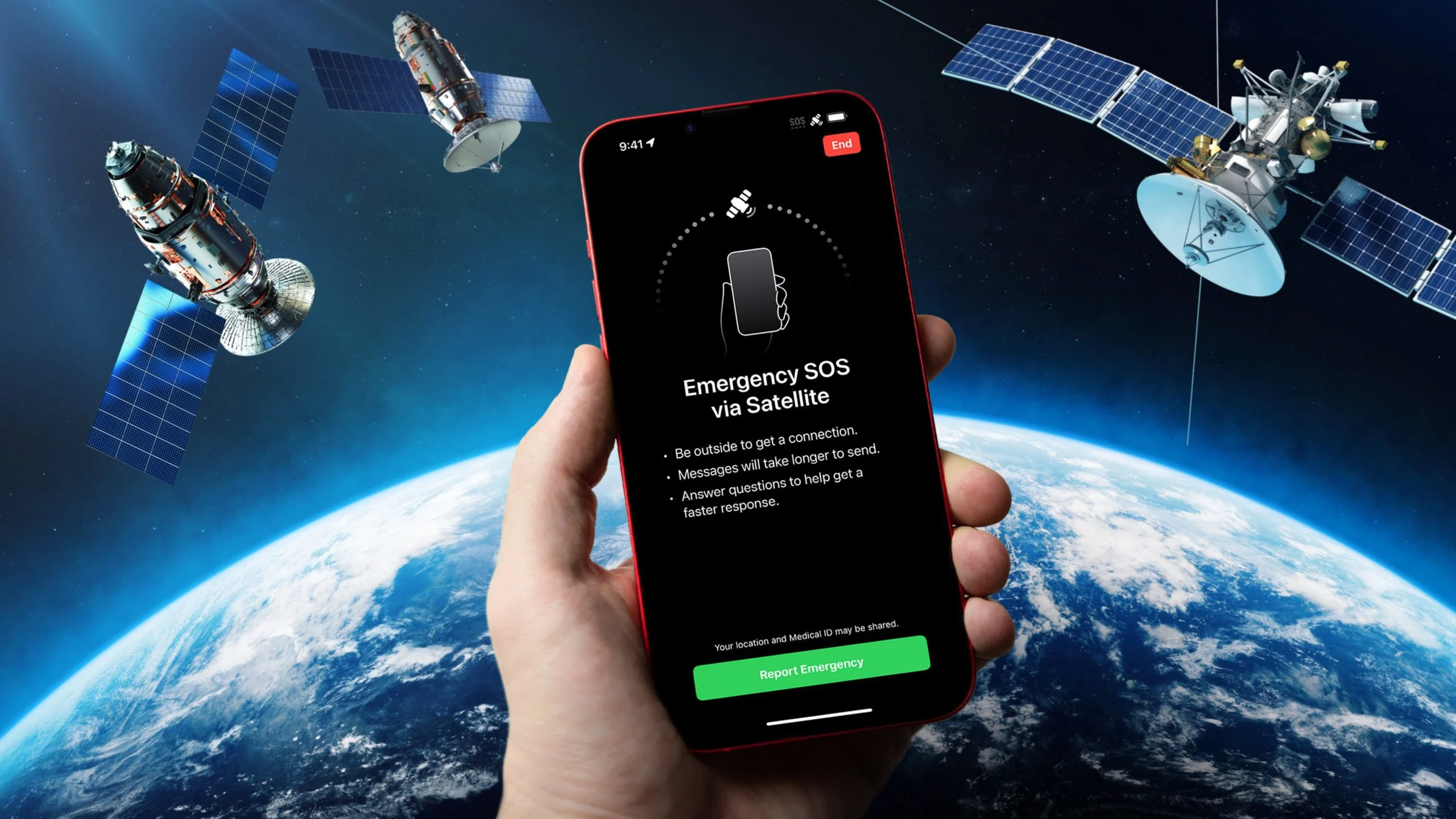

For decades, staying connected has depended largely on one thing: cellular networks. Whether sending a text, making a call, or accessing the internet, most communication relies on a vast network of cell towers spread across cities, towns, and highways. But what happens when those towers disappear?
From remote mountains and deserts to oceans and disaster-hit regions, there are countless places where traditional mobile networks simply do not exist. In these situations, satellite messaging provides a critical alternative, allowing users to send and receive messages even when they are completely outside cellular coverage.
What was once a niche technology used primarily by military personnel, explorers, and maritime operators is now becoming increasingly mainstream. Thanks to advances in satellite technology and the emergence of satellite-enabled smartphones, satellite messaging is poised to become a fundamental part of the future communications ecosystem.
What Is Satellite Messaging?
Satellite messaging refers to the transmission of text messages and small data packets through satellites orbiting the Earth instead of relying on terrestrial cellular infrastructure.
Unlike conventional messaging services that require nearby cell towers, satellite messaging communicates directly with satellites in space. These satellites relay the information to ground stations, which then forward the messages to their intended recipients.
The technology enables communication in areas where mobile coverage is unavailable, unreliable, or disrupted. This makes it especially valuable for people working or traveling in remote locations, emergency responders, maritime operators, and users affected by natural disasters.
Satellite messaging typically supports:
- Text-based communication
- Location sharing
- Emergency SOS alerts
- Weather updates
- Asset tracking
- IoT data transmission
As satellite networks continue to evolve, the distinction between traditional cellular messaging and satellite messaging is gradually becoming less noticeable for users.
Credits: Dignited
How Does Satellite Messaging Work?
At its core, satellite messaging follows a relatively straightforward process.
When a user sends a message through a satellite-enabled device, the message is transmitted directly to a satellite overhead. The satellite then relays the signal to a ground station connected to communication networks on Earth.
Once the message reaches the ground infrastructure, it can be routed to another satellite device, a mobile phone, or even an email address depending on the service.
The process generally involves four steps:
Step 1: Message Creation
A user composes a text message on a satellite device or compatible smartphone.
Step 2: Signal Transmission
The device sends the message directly to a satellite orbiting Earth.
Step 3: Satellite Relay
The satellite forwards the message to a ground station connected to terrestrial communication networks.
Step 4: Message Delivery
The message is delivered to the intended recipient through mobile networks, internet services, or another satellite device.
This architecture allows communication even when users are hundreds of miles away from the nearest cell tower.
The Two Main Types of Satellite Networks
Not all satellite systems operate the same way. Most satellite messaging services rely on one of two types of satellite networks.
Geostationary Satellites (GEO)
Geostationary satellites orbit approximately 36,000 kilometers above Earth and remain fixed over a specific location.
Because they stay in the same position relative to Earth, fewer satellites are needed to provide broad coverage.
Advantages include:
- Consistent coverage areas
- Established infrastructure
- Reliable communication in open environments
However, GEO satellites also have limitations:
- Higher communication latency
- Reduced performance in mountainous terrain
- Coverage challenges near polar regions
Low Earth Orbit Satellites (LEO)
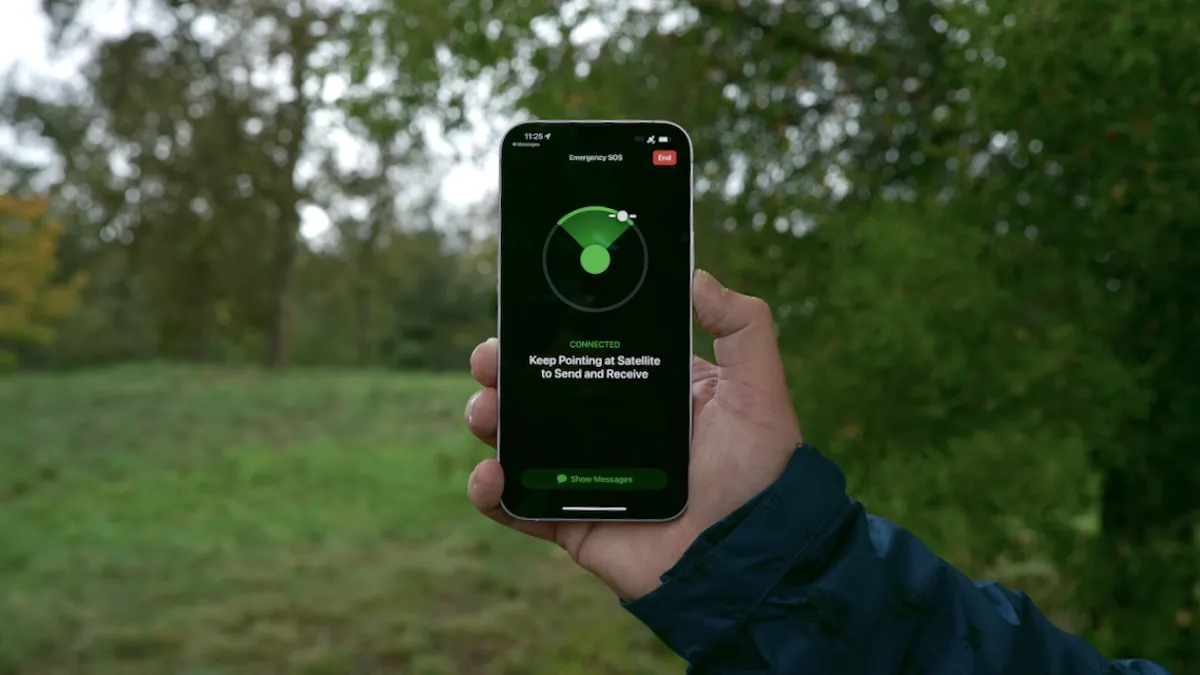
Low Earth Orbit satellites operate much closer to Earth, usually between 500 and 2,000 kilometers above the surface.
These satellites move continuously around the planet, forming large constellations that work together to provide global coverage.
Benefits include:
- Lower latency
- Faster message delivery
- Better performance in challenging environments
- Truly global coverage
Many modern satellite messaging providers rely on LEO constellations because of their superior reliability and responsiveness.
Credits: CNET
Why Satellite Messaging Is Becoming More Important
Several trends are driving increased interest in satellite communication.
Expanding Outdoor Recreation
Adventure tourism, hiking, mountaineering, and overlanding have become increasingly popular. Millions of people now venture into areas where cellular service is limited or absent.
Satellite messaging allows these users to stay connected while exploring remote locations.
Rising Climate Risks
Natural disasters frequently damage telecommunications infrastructure.
Hurricanes, earthquakes, floods, and wildfires can disable cellular networks for days or even weeks. Satellite messaging offers a resilient backup communication channel during emergencies.
Growth of Remote Work
Researchers, engineers, conservationists, and field workers increasingly operate in isolated environments.
Satellite communication ensures continuous connectivity regardless of location.
Universal Connectivity Goals
Governments and telecommunications companies are working toward universal digital access. Satellite messaging helps bridge coverage gaps that are difficult or uneconomical to serve through traditional infrastructure.
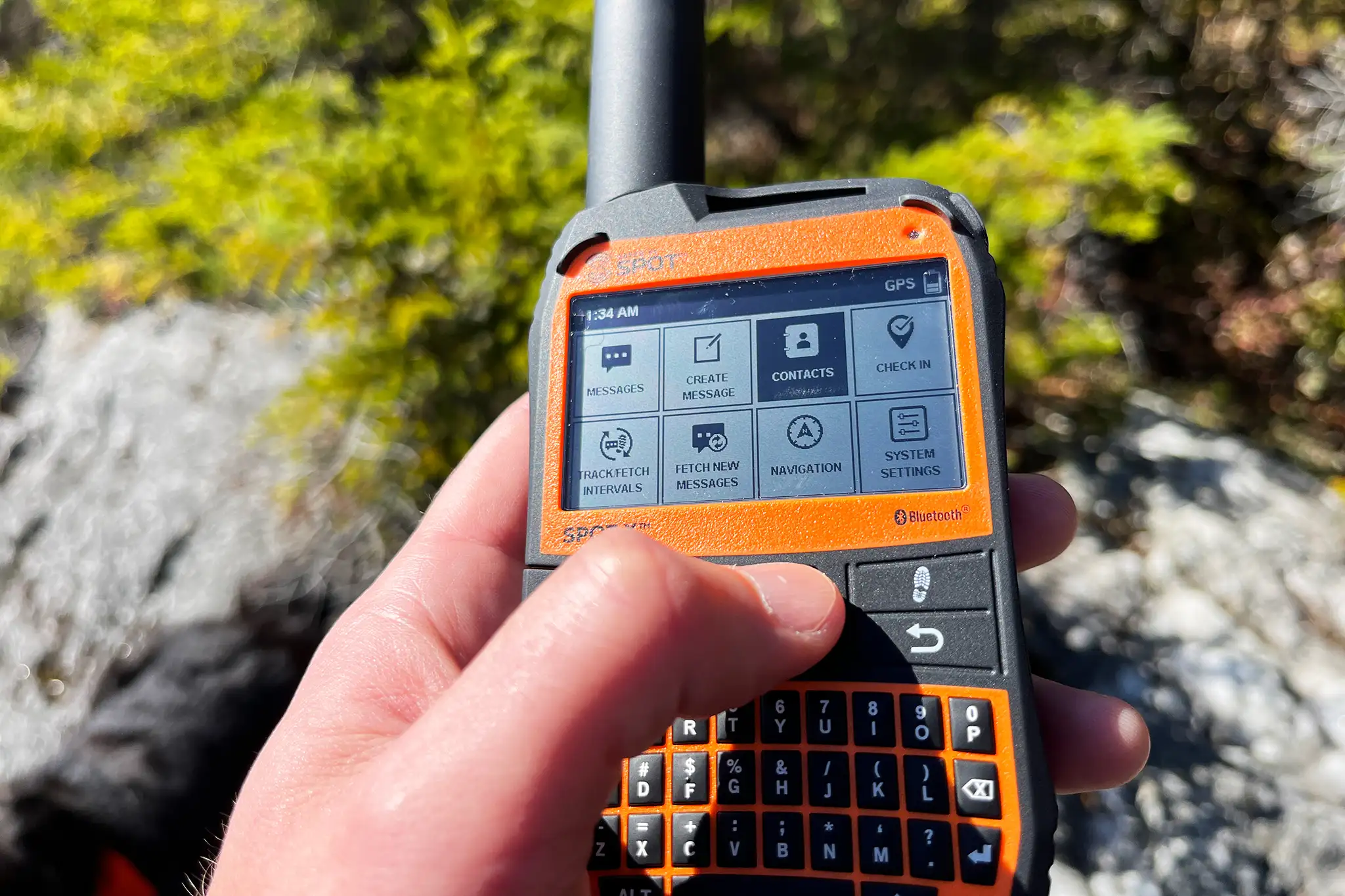
Key Features of Modern Satellite Messaging Devices
Today’s satellite messengers offer far more than simple emergency signaling.
Two-Way Messaging
Earlier emergency beacons only allowed users to transmit distress signals.
Modern satellite messengers support full two-way communication, allowing users to send and receive text messages from virtually anywhere.
This capability significantly improves safety by enabling detailed communication during emergencies.
SOS and Emergency Assistance
One of the most valuable features is the dedicated SOS button.
In emergencies, users can instantly alert monitoring centers that coordinate rescue efforts. Many services provide access to global emergency response networks capable of dispatching assistance based on GPS coordinates.
GPS Tracking
Most devices continuously track user locations.
This feature enables:
- Live location sharing
- Trip monitoring
- Search and rescue support
- Fleet management
Families, expedition teams, and employers can monitor movements in real time.
Weather Forecasts
Weather conditions can change rapidly in remote regions.
Many satellite devices provide weather updates and forecasts directly through satellite networks, helping users make informed decisions.
Navigation Support
Advanced satellite communicators increasingly include mapping and navigation tools.
These capabilities can include:
- Topographic maps
- Route planning
- Waypoint creation
- Turn-by-turn guidance
For wilderness travelers, these tools add an extra layer of safety and convenience.
Credits: Outsideonline
Satellite Messaging in Consumer Smartphones
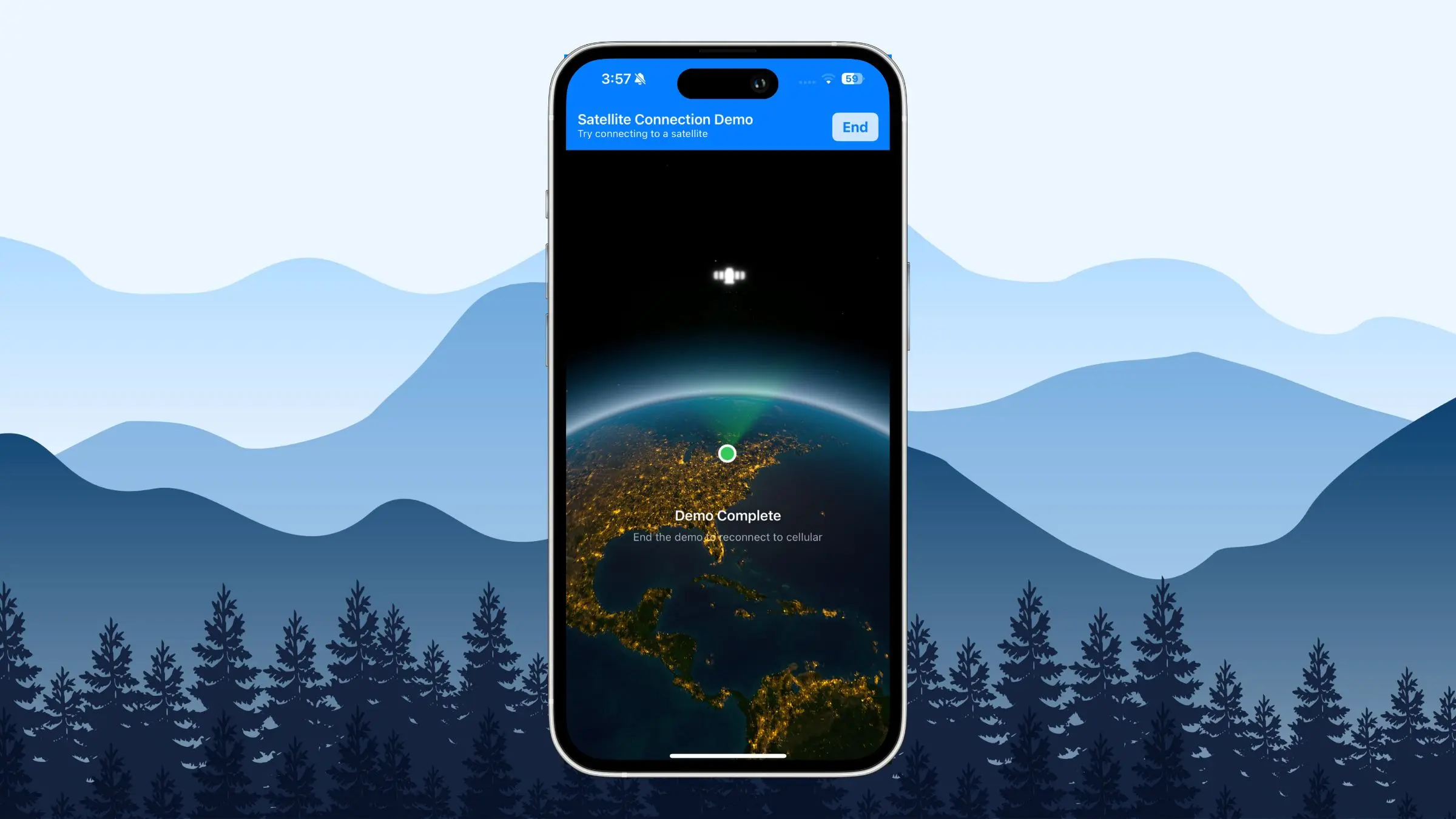
One of the biggest developments in recent years is the integration of satellite messaging into mainstream smartphones.
Rather than carrying separate communication devices, users can now access satellite connectivity directly from compatible phones.
This shift represents a major milestone for the industry.
Modern smartphone-based satellite messaging allows users to:
- Send emergency messages
- Share locations
- Contact emergency services
- Maintain communication during network outages
As technology improves, satellite capabilities are expected to become a standard feature in mobile devices worldwide.
Applications Beyond Personal Communication
While outdoor enthusiasts often receive the most attention, satellite messaging serves numerous industries.
Maritime Communications
Ships and fishing vessels frequently operate far from shore-based communication networks.
Satellite messaging enables:
- Crew communication
- Navigation updates
- Weather alerts
- Emergency coordination
Aviation
Pilots operating in remote airspace use satellite messaging for communication, navigation, and safety monitoring.
Logistics and Transportation
Companies use satellite-enabled tracking systems to monitor vehicles, cargo, and assets across regions with limited cellular coverage.
Agriculture
Farmers working in rural areas can utilize satellite messaging for equipment monitoring, weather alerts, and operational coordination.
Energy and Mining
Workers at remote mines, oil fields, and renewable energy installations depend on satellite communications to maintain safety and productivity.
Credits: ny times
Satellite Messaging and the Future of Telemedia
Satellite messaging is creating exciting opportunities for the telemedia industry.
Traditionally, telemedia services such as SMS alerts, mobile content, authentication systems, and value-added services relied heavily on cellular networks.
Satellite connectivity expands these services into entirely new environments.
Potential applications include:
- Emergency notification systems
- Rural banking alerts
- Healthcare messaging
- Agricultural advisories
- Disaster response communications
- Location-based information services
Telemedia providers can reach previously underserved populations while creating new revenue streams through specialized satellite communication services.
The Role of Non-Terrestrial Networks (NTN)
A major industry trend shaping the future of satellite messaging is the development of Non-Terrestrial Networks, commonly known as NTN.
NTN refers to communication systems that utilize satellites and aerial platforms as part of broader telecommunications networks.
Within the framework of next-generation 5G infrastructure, NTN aims to seamlessly integrate terrestrial and satellite connectivity.
The goal is simple: users should remain connected regardless of whether the signal comes from a cell tower or a satellite.
This integration could eliminate coverage gaps and create truly global mobile networks.
Challenges Facing Satellite Messaging
Despite its growing potential, satellite messaging still faces several challenges.
Cost
Satellite communication remains more expensive than traditional mobile services.
Most providers charge subscription fees for messaging, tracking, and emergency features.
Limited Bandwidth
Satellite messaging is ideal for text and small data packets but less suited for bandwidth-intensive activities like video streaming.
Environmental Obstructions
Dense forests, steep canyons, and certain weather conditions can occasionally affect signal quality.
Battery Consumption
Satellite communication typically requires more power than cellular communication, making battery management an important consideration.
However, continuous technological improvements are steadily addressing these limitations.
The Future of Satellite Messaging
The future of satellite messaging looks exceptionally promising.
Massive investments in satellite constellations, direct-to-device technology, and 5G integration are accelerating adoption across industries and consumer markets.
Over the next decade, satellite messaging is expected to evolve from a specialized communication tool into a standard feature of everyday connectivity.
As smartphones gain native satellite capabilities and satellite networks become more affordable, users may soon enjoy seamless communication anywhere on Earth.
The concept of being “out of coverage” could eventually become a thing of the past.
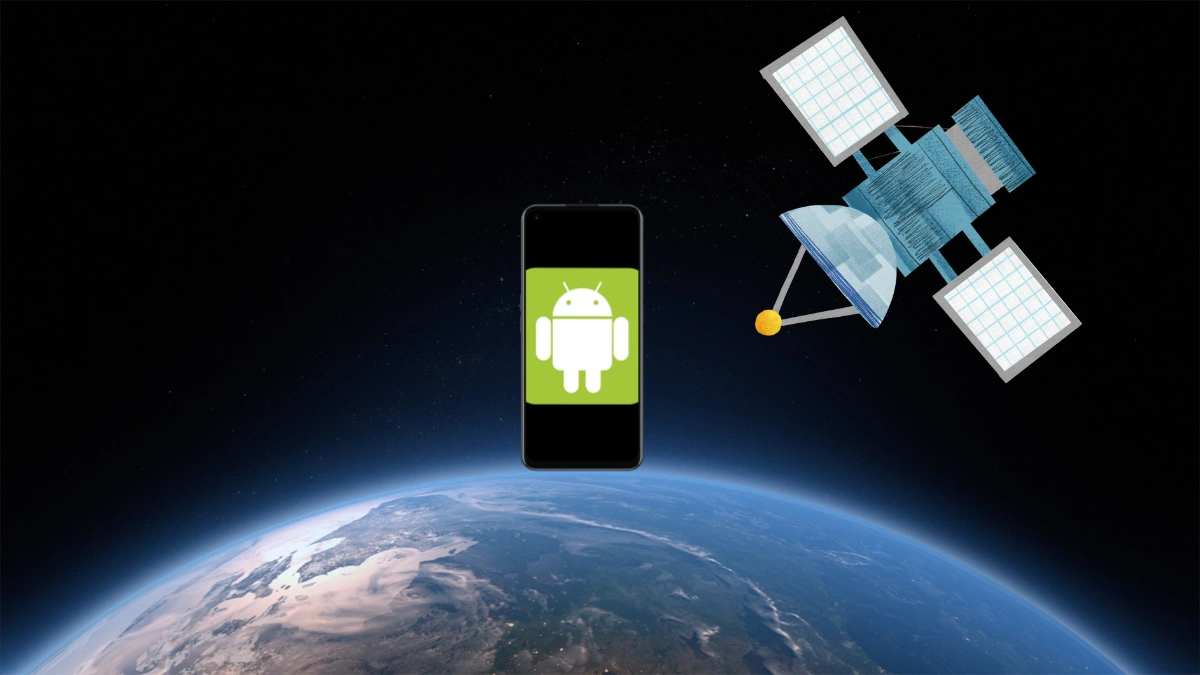
Credits: TechWiser
Conclusion
Satellite messaging is reshaping how people stay connected beyond the reach of traditional cellular networks. By enabling communication through orbiting satellites, it provides reliable messaging, location sharing, emergency assistance, and critical information services in some of the world’s most remote environments.
From outdoor adventurers and maritime operators to telemedia companies and emergency responders, the technology is expanding the boundaries of global connectivity. As satellite networks become more advanced and integrate with mainstream mobile devices, satellite messaging will play an increasingly important role in delivering universal, uninterrupted communication.
In a world where connectivity is becoming as essential as electricity, satellite messaging represents a major step toward ensuring that communication remains available anytime, anywhere, and for everyone.

Comments are closed.