
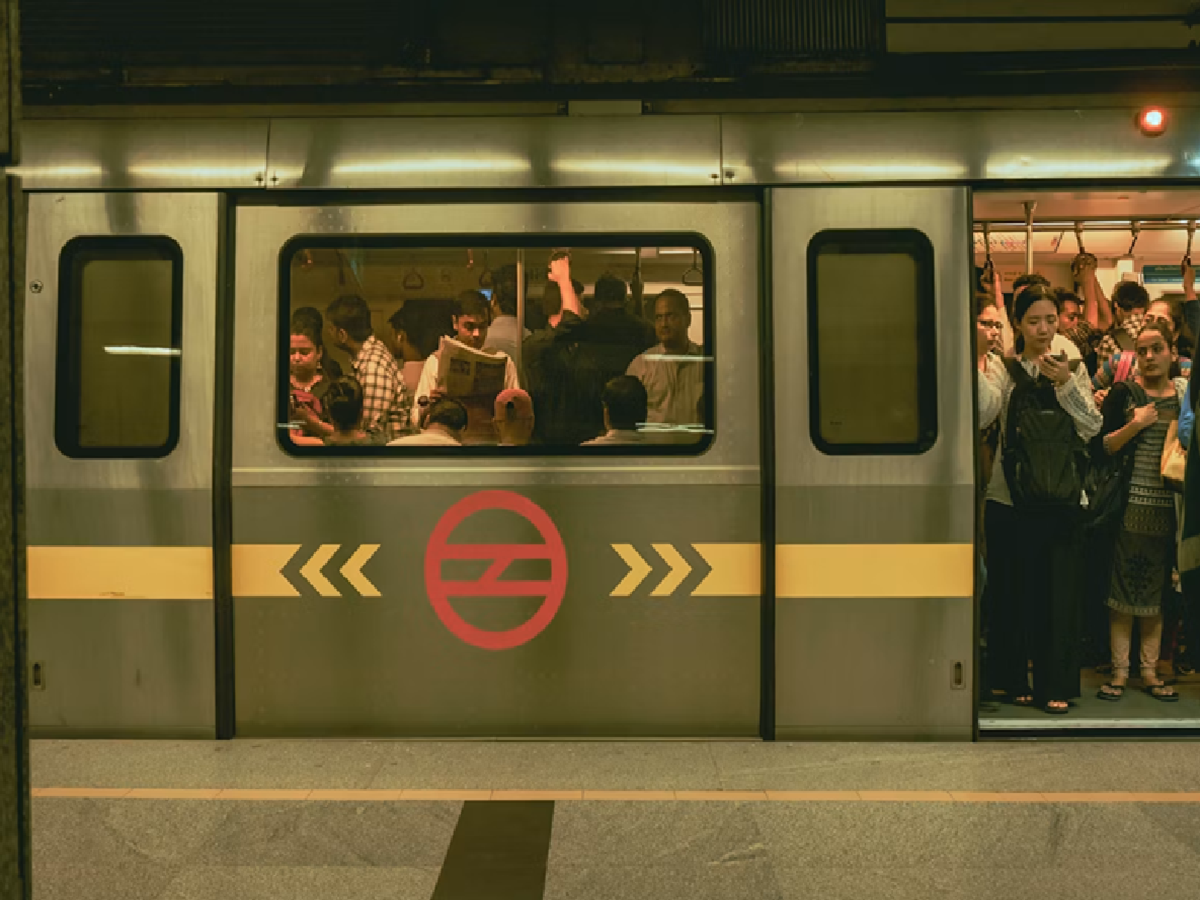

Delhi Metro is expanding, and it is set for another major expansion as construction work on the much-awaited Central Vista corridor has officially started. Union Housing and Urban Affairs Minister Manohar Lal inaugurated the project at the Central Secretariat Metro station on Wednesday, marking the beginning of a significant infrastructure upgrade in the national capital.
New Underground Metro Corridor for Central Delhi
The new Central Vista corridor is a 9.913-kilometre underground extension of the Delhi Metro’s Magenta Line. This new metro line will connect RK Ashram Marg and Indraprastha, which will create a direct link through some of Delhi’s most important administrative and cultural zones.
The Central Vista corridor will feature eight underground stations:
- Shivaji Stadium
- Yuge Yugeen Bharat
- Central Secretariat
- Kartavya Bhawan
- India Gate
- War Memorial-High Court
- Baroda House
- Bharat Mandapam
The two terminal stations, called RK Ashram Marg and Indraprastha, are already part of the existing metro network, which will help to integrate the new route with other timelines.
Central Secretariat to Become a Major Interchange Hub
One of the biggest highlights of the project is the transformation of Central Secretariat station into a triple interchange. With this new corridor, this station will connect the new Magenta Line extension with the existing Yellow and Violet Lines, making travel across the city more convenient. The upgrade is expected to significantly reduce the travel time for commuters who are heading to government offices and administrative buildings in Central Delhi.
DMRC Central Vista Corridor: Why it Matters
According to estimates from the Delhi Metro Rail Corporation (DMRC), the corridor could benefit around 60,000 office workers and nearly two lakh visitors every day. The project comes at a time when several government ministries are shifting operations to Kartavya Bhawan-I and Kartavya Bhawan-III. Currently, many officials have to take a walk one to three kilometres from nearby metro stations such as Central Secretariat, Patel Chowk, Mandi House, and ITO to reach their workplaces.
The new corridor is expected to improve accessibility, simplify daily travel, and encourage greater use of public transport. This project is also expected to reduce the road congestion, air pollution and dependence on fossil fuels.
Part of Delhi Metro’s Phase V(A) Expansion
The Central Vista corridor is a key component of DMRC’s 16-kilometre Phase V(A) expansion plan. The project is targeted for completion by 2028. Phase V(A) also includes extensions to the Golden Line. On the western side, a 2.2-kilometre stretch will connect Aerocity with IGI Airport Terminal 1, strengthening airport connectivity. On the eastern side, a 3.9-kilometre extension will link Tughlaqabad and Kalindi Kunj, with intermediate stations at Sarita Vihar Depot and Madanpur Khadar.
DMRC Central Vista Corridor Cost
The total estimated cost of these new metro corridors exceeds Rs 12,000 crore, reflecting the scale of Delhi’s next phase of urban transport development.
Once the Central Vista corridor is completed, it is expected to become one of the most important transit links in Delhi. It will connect major government offices, cultural landmarks, and existing metro routes. The project promises faster, smoother, and more sustainable travel for residents and visitors alike.
The post Delhi Metro Central Vista Corridor: What New Magenta Line Extension Means for Commuters? appeared first on NewsX.

Comments are closed.