
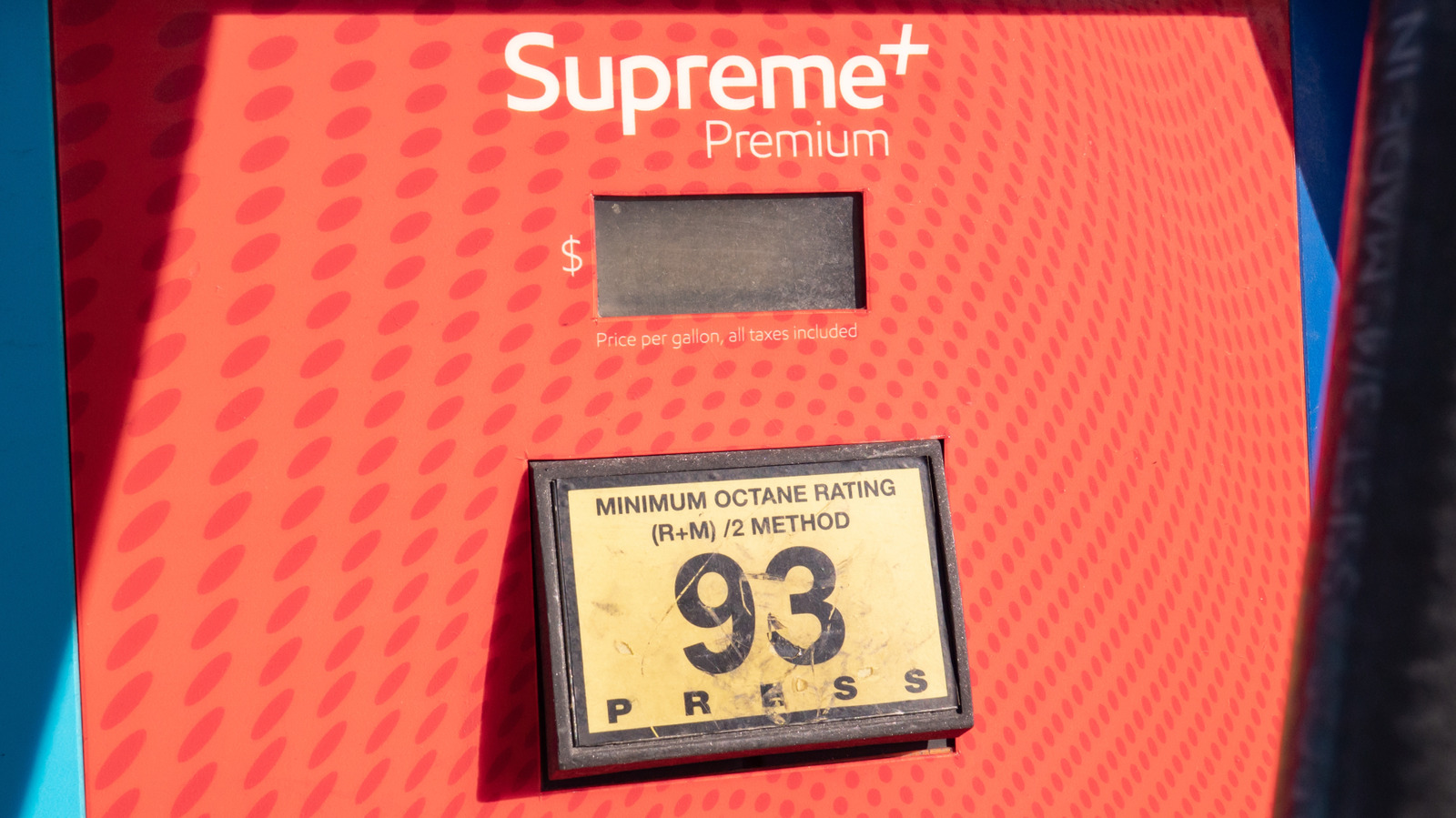

Octane really is just a measure of how well fuel resists lighting itself under pressure. Some engines need to run on fuel that that offers more resistance than others, specifically the kind that run a high compression ratio. These are engines where the piston jams the air and fuel mixture which much more force, and does so in a far smaller space than regular engines. Even turbocharged engines love premium gas even if they don’t require it, since higher-octane fuel works well with the additional airflow a turbo feeds into the engine’s cylinders.
Either way, in such engines, the pressure and temperature inside climb way up. As they increase, it becomes easier for low-octane fuels to ignite early. Higher octane gas is designed to cushion against this phenomenon, which is called knock. When a stray pocket of low-octane fuel combusts early, this causes the cylinder pressure to jump sharply and unevenly. Inside the engine, the process acts like tiny hammers pounding away at the protective film of the piston, causing the full heat of combustion to reach bare metal. In the long run, knocking can lead your engine to seize, which is hard to fix. Most of the time, though, avoiding engine knocking is as easy as switching to the octane level your engine is actually designed for.
But why even build an engine that’s so picky in the first place? Well, higher compression ratios have a range of benefits, and they all have to do with the fact that they are able to squeeze more energy out of the exact same amount of fuel. This results in greater thermal efficiency, which in turn gets you more power and better mileage.
High-octane gas only benefits high-compression engines
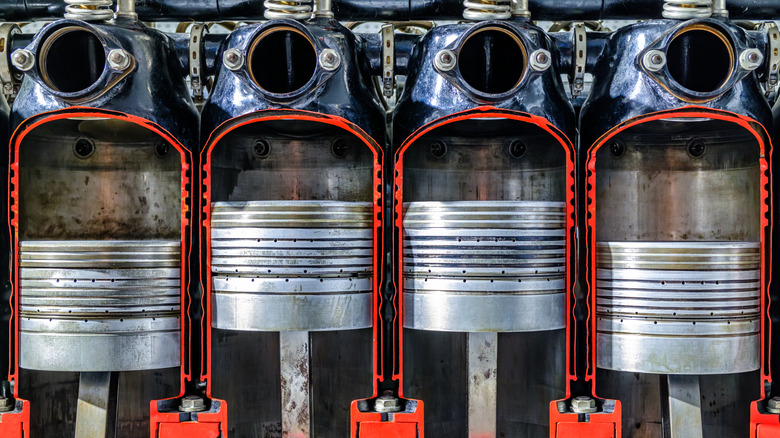
The catch with higher octane fuel is the higher price you pay for it. Even the high-compression-ratio engines themselves that depend on it often require heavier-duty components and advanced engine-management electronics. So it makes sense that the cars with such engines are the performance ones – like sports cars and anything turbo/supercharged. And it’s not just cars either, since plenty of sports motorcycles, supercharged jet skis, and of course, prop airplanes, call for it too.
Now since higher octane can bring better performance, you might be tempted to use that fuel in a car labeled with a lower octane rating. You shouldn’t, though, but not because doing so would be unsafe. The downside is that you’ll be paying for a more expensive fuel option that buys you nothing if your car doesn’t need it. Premium-octane fuel is more expensive, since topping off a regular-sized tank with high-octane gas costs roughly 12 dollars more than regular unleaded fuel. Do that every week, and that “small” $12 difference can pile up fast. Meanwhile, premium and regular gas pack roughly the same chemical energy, so it’s not the fuel that nets you extra horsepower — it’s the ability to handle extra compression that gives you the performance boost.
That said, going the other way can actually hurt. Drop low-octane gas into an engine that requires premium and you risk damaging it over time. You might even void the warranty in some cases. However, the good news is that many modern cars have built-in safeguards. They include equipment like knock sensors, which help your car’s electronics to tweak the engine’s ignition timing depending on the fuel the engine is being fed. This aids to avoid knocking caused by low-octane fuel.

Comments are closed.