
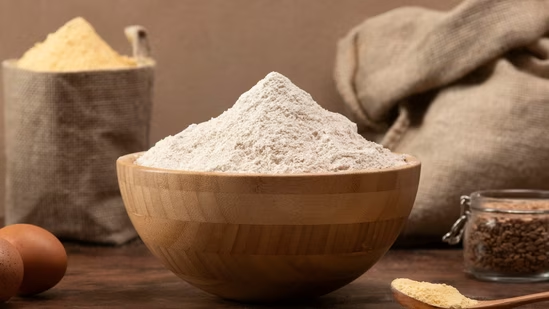

For many Indians, amaranth, popularly known as rajgira, is associated with fasting meals. However, this ancient grain-like seed offers much more than festive nutrition. Rich in protein, fibre, vitamins, and essential minerals, amaranth is now gaining recognition as a nutrient-dense superfood that can support overall health when included as part of a balanced diet.
A Nutrient-Rich Superfood
Amaranth is naturally gluten-free and provides an excellent combination of plant-based protein and dietary fibre. A cup of cooked amaranth contains around 9 grams of protein and 5 grams of fibre, making it a filling and nutritious addition to everyday meals.
It also contains lysine, an essential amino acid that supports collagen production, tissue repair, muscle recovery, and calcium absorption.
1. Supports Digestive Health
The high fibre content in amaranth promotes healthy digestion by improving bowel movements and helping prevent constipation. Fibre also keeps you feeling full for longer, which may help reduce overeating and support healthy weight management.
2. Helps Maintain Healthy Blood Sugar Levels
Because fibre slows the absorption of carbohydrates, amaranth may help reduce sudden spikes in blood sugar after meals. This makes it a healthier grain option as part of a balanced diet, especially when paired with other nutritious foods.
3. Strengthens Bones and Muscles
Amaranth is rich in important minerals such as calcium, magnesium, phosphorus, and manganese. These nutrients contribute to strong bones, healthy muscles, and proper nerve function.
4. Supports Heart Health
The naturally occurring fibre and plant compounds, including phytosterols, found in amaranth may help maintain healthy cholesterol levels as part of an overall heart-friendly diet. Combined with a healthy lifestyle, it can contribute to better cardiovascular health.
5. Boosts Energy and Overall Nutrition
Amaranth is also a good source of iron, which plays a key role in the production of haemoglobin and oxygen transport throughout the body. Along with its protein and mineral content, it supports energy production and overall well-being.
Easy Ways to Add Amaranth to Your Diet
You can enjoy amaranth in several delicious ways:
- Mix amaranth flour with whole wheat flour to make rotis.
- Prepare porridge for a nutritious breakfast.
- Use it in homemade chillas.
- Cook it like rice in khichdi or grain bowls.
- Add popped amaranth to yogurt or smoothies for extra crunch.
Final Thoughts
Amaranth is no longer just a fasting food. Its impressive nutritional profile makes it a valuable addition to a healthy daily diet. From supporting digestion and bone health to providing quality protein and essential minerals, this ancient grain continues to prove why it deserves its reputation as a modern superfood.
Health Disclaimer
This article is intended for informational purposes only and should not be considered medical advice. Individual nutritional needs vary, and people with medical conditions or dietary restrictions should consult a qualified healthcare professional or registered dietitian before making significant changes to their diet.

Comments are closed.