

I discovered a hidden European gem full of history and character where no tourists visit | Europe | Travel

Montmartre is very close to Saint-Denis and is a must-see on any Paris visit (Image: Getty)
I recently visited Paris, but stayed in the outskirts in Saint-Denis, discovering a hidden gem in the process. Saint-Denis is a historic town just north of Paris, known for its rich cultural heritage and strong connections to French history. It is most famous for the Basilica of Saint-Denis, the traditional burial site of French kings and queens and one of the earliest examples of Gothic architecture.
Although it sits away from the busy tourist areas, it is only a short Metro ride from the heart of Paris, making it very easy to explore the city’s main attractions. Saint-Denis is a destination in its own right, with plenty of nearby historic sites to discover as well as good local food spots. It offered a truly interesting and more authentic side of Paris beyond the main tourist areas.
The Basilica of Saint-Denis is a Roman Catholic cathedral (Image: Getty)

From the 7th century onwards, dozens of French kings and queens were buried here (Image: Getty)
Things to do
Basilica of Saint-Denis
The Basilica of Saint-Denis is a Roman Catholic cathedral considered by many historians to be the first major Gothic building. It’s renowned for its soaring arches, intricate stone carvings, and incredible stained-glass windows, some of which are original.
For centuries, it has also served as the royal necropolis of the French monarchy. From the 7th century onwards, dozens of French kings and queens were buried here. One of the most memorable parts of the visit was seeing the royal tombs, whose detailed sculptures and grand scale reflect the importance of the monarchs interred there. Notable figures include Louis XVI and Marie Antoinette.
The basilica is also undergoing a major transformation, with the reconstruction of its north tower and spire. Until the mid-19th century, the tower was crowned by a spire that reached almost 90 metres, which was dismantled after storm damage. Today, restoration is underway to rebuild it. The project will restore the striking spire, topped by a cockerel.
The visit offered not only an appreciation of remarkable architecture but also a deeper understanding of France’s cultural and royal heritage.

My visit to the Saint-Ouen Flea Market was one of the most vibrant and memorable experiences (Image: Getty)

It’s the world’s largest traditional antique and flea market (Image: Getty)
Education House of the Legion of Honor
The Education House of the Legion of Honor is a historic and prestigious school founded by Napoleon Bonaparte in 1805. It was created to educate the daughters and later granddaughters of people who had been awarded the Légion d’Honneur, France’s highest order of merit. The idea was to provide a high-quality education and stable environment for young women from families who had served the nation.
The school is located in Saint-Denis, very close to the Basilica of Saint-Denis, within a large complex resembling a grand palace. It is not open to the public as a typical tourist attraction, but private tours can be arranged if of interest.
The Saint-Ouen Flea Market officially known as the Marché aux Puces de Saint-Ouen, has a long history that goes back to the late 19th century and is closely tied to the growth of modern Paris. It began in the late 19th century when Paris was being redeveloped, and many street traders and second-hand sellers moved just outside the city. What started as informal stalls selling used and discarded goods gradually grew into a permanent market.
Over time, dealers began specialising in antiques, and by the 20th century, it had become the world’s largest and most famous flea market, attracting visitors from across the globe.
My visit to the Saint-Ouen Flea Market was one of the most vibrant and memorable experiences of my trip to Paris, despite the weather not quite being on my side. Known as one of the largest antique markets in the world, the market comprises numerous stalls and covered sections selling everything from vintage clothing and jewellery to antique furniture and rare collectables.
As I wandered through the narrow lanes, I discovered unique items from different periods of history, including paintings, prints, books and jewellery. The vendors were lovely and welcoming, often happy to share stories about their products and offer advice.
The market also had excellent coffee shops, providing the perfect place to take a break and soak up the lively atmosphere. Beyond shopping, the market offered another fascinating glimpse into French culture, making it a destination in its own right.

Exploring Montmartre was super fun and interesting (Image: Sophie Harris)
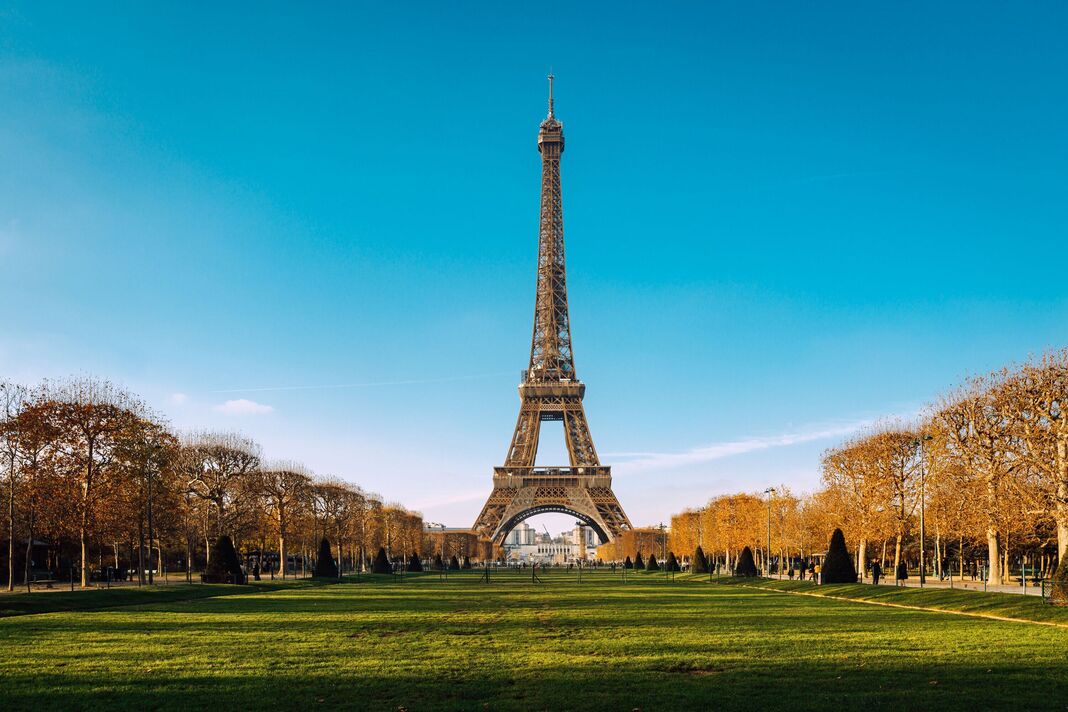
A trip to see the Eiffel Tower is a must too (Image: Getty)
Street Art Avenue is an open-air urban art trail located mainly along the Canal Saint-Denis. It began as a cultural project to transform industrial and waterfront areas into a large, evolving gallery for street art. The route features huge, impressive murals painted by artists from around the world on walls and buildings, so the artwork is constantly changing as pieces are added.
It has become a popular way to explore the area while discovering contemporary art in a beautiful riverside setting. Visitors to the area can also book a street art workshop or guided tours.
Montmartre is a historic hilltop neighbourhood in northern Paris, known for its artistic heritage, cobbled streets, and village-like atmosphere. It’s just 15 minutes from Saint-Denis, and 15 minutes from the Eiffel Tower.
It sits on one of the city’s highest points and is famous for landmarks such as the Basilica of the Sacré-Cœur, which overlooks Paris from atop the hill. Historically, Montmartre was a rural village outside Paris, but it was incorporated into the city in the late 19th century as Paris expanded.
It became especially famous in the late 1800s and early 1900s as a centre for artists and writers. Many well-known figures, such as Picasso and Van-Gogh, spent time there.
My visit to the area was one of the most charming parts of my time in Paris. I did a sweet food tour with Gourmet A Dream while there, which made the experience even more memorable, as I had never been to Paris before and had not tried many of the delicacies.
Stops on the food tour included trying local chocolate, croissants, pavlova, little choux pastry treats, and gelato.
At the foot of Montmartre, in the Pigalle district, is also the Moulin Rouge, one of the most famous cabaret venues in the world. It opened in 1889 and became known for its energetic stage shows, featuring music, dance and elaborate costumes. Today, it still operates as a cabaret, attracting visitors from around the world.
What’s more, it is less than 30 minutes to the Louvre Museum and about 40 minutes to the Eiffel Tower, and it was well worth the visit. Montmartre is growing in popularity but still remains a hidden gem, as many people miss it off their Paris trips.

My room was spacious with a large, comfortable bed (Image: Sophie Harris)

The real highlight, though, was being able to see the Eiffel Tower from my room (Image: Sophie Harris)
Hotel
Staying in Saint-Denis meant fewer hotels and fewer tourists, which made the experience feel more authentic and offered a different perspective on Parisian life.
I stayed at the H4 Wyndham Hotel which made a comfortable base for exploring Paris and the surrounding area. Just a short walk from the Metro, it was easy to reach the city centre in under 15 minutes while staying somewhere a little quieter and more affordable than Paris.
The hotel itself is huge, with 6997 rooms and suites spread across the tower, giving it a much grander feel than many city hotels. Despite its size, it still felt sleek and welcoming, with stylish interiors and plenty of space to relax after a day of sightseeing.
My room was spacious with a large, comfortable bed, modern decor and large windows that made the most of the skyline views. The real highlight, though, was being able to see the Eiffel Tower from my room. In the evening, I watched it twinkle on the hour from bed, which was a great way to end the day’s sightseeing.
Food was another standout. The hotel has several dining options, including a rooftop sky bar with sweeping views across the city and incredibly delicious cocktails. Breakfast offered plenty of choices, from pastries and fresh fruit to hot dishes and juices. After a long day exploring, it was a welcome place to return to for a drink or dinner without having to head back into central Paris.
Guests can also make use of France’s highest indoor pool and a modern fitness centre, adding a touch of luxury to the stay. Its location near Stade de France also makes it a convenient choice for anyone visiting for concerts or sporting events.
For travellers who don’t mind staying outside the centre, Saint-Denis is a great alternative base. The neighbourhood is home to striking street art, independent cafes and restaurants, and the world-famous Paris Saint-Ouen flea market, giving it a more local, less tourist-focused atmosphere than many central districts.
Comments are closed.