

5
Mounting drain silt and limited disposal sites threaten Delhi’s ecological balance.
Delhi is facing a growing environmental challenge as the city’s drainage system generates increasing volumes of silt that authorities say can no longer be managed through conventional disposal methods. Officials warn that the material, often mixed with municipal waste, plastics and contaminated sludge, is accumulating faster than it can be safely processed, raising serious ecological and logistical concerns.
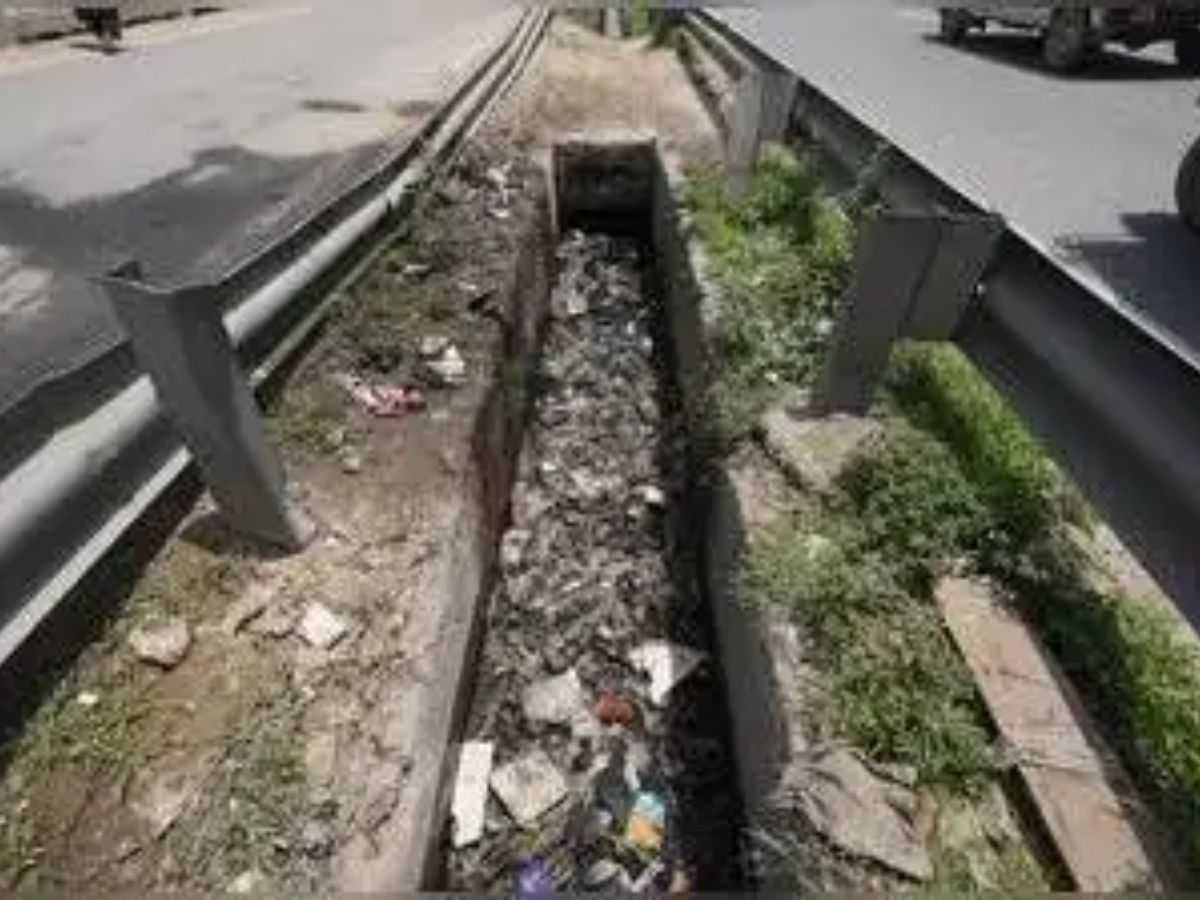
Drain silt is typically removed during routine desilting of stormwater drains to ensure free flow during the monsoon. However, in recent years, officials say the composition of the silt has changed significantly due to unchecked dumping of solid waste into drains. What was once largely soil and organic matter now contains a mixture of non-biodegradable waste, construction debris and toxic residues, making it unsuitable for simple landfilling or reuse.
A senior official from the Public Works Department (PWD) said the city’s existing infrastructure is under severe strain due to limited disposal sites and stricter environmental norms.
“We are generating far more silt than we have designated disposal capacity for. Earlier, this material could be used for low-lying landfilling, but now it is heavily contaminated with plastics and chemicals. That makes it environmentally unsafe to dispose of through traditional means,” the official said.
Environmental experts warn that improper handling of drain silt could have long-term ecological consequences, including soil contamination, groundwater pollution and methane emissions from unmanaged dumps. They argue that the issue reflects a broader failure in urban waste segregation and stormwater management systems.
Dr Rakesh Bhatia, an environmental scientist, said the problem is not just about disposal capacity but also about upstream waste management practices.
“Drain silt is essentially becoming a toxic mix because household and commercial waste is entering drainage channels. Without strict enforcement against dumping and better segregation at source, this problem will continue to grow and become more expensive to manage,” he said.
He added that Delhi may need to shift towards scientific processing of silt, including segregation, treatment and partial recycling, rather than relying on dumping grounds that are already nearing saturation.
Municipal authorities acknowledge the challenge and say they are exploring alternative solutions such as mechanical silt processing units and designated treatment facilities. However, officials admit that implementation remains slow due to space constraints and funding limitations in a densely populated urban environment.
A senior official from the Municipal Corporation of Delhi (MCD) said new approaches are being considered to prevent the crisis from worsening.
“We are examining options such as silt processing plants where waste can be segregated and treated before disposal. But land availability in Delhi is a major constraint, and we also need coordination across agencies to ensure that waste does not enter the drainage system in the first place,” the official said.

Comments are closed.