

Volkswagen Plans to Cut 1 Lakh Jobs, Shutdown Multiple Factories: What It Means For World’s 2nd-Largest Carmaker

Volkswagen is preparing to eliminate up to 100,000 jobs globally over the next few years, a move that would be the largest restructuring in the company’s 89-year history. According to a report by German business publication Manager MagazineCEO Oliver Blume has already presented a restructuring plan, called the Group Target Picture for 2030, to the executive board, with a supervisory board presentation scheduled for July 9. On top of the job cuts, four German factories are being considered for closure, and the group plans to reduce capital investment by 15 percent, bringing total planned spending down to just over 130 billion euros over the next five years.
This is a dramatic escalation from an earlier plan. Just months ago, the company announced it would cut around 50,000 positions by 2030, which was itself considered historically significant. The new plan would double that target, affecting roughly 15 percent of the group’s global workforce of 667,164 people. Close to 43 percent of those employees are based in Germany, making the human and political implications inside the home market particularly sharp.
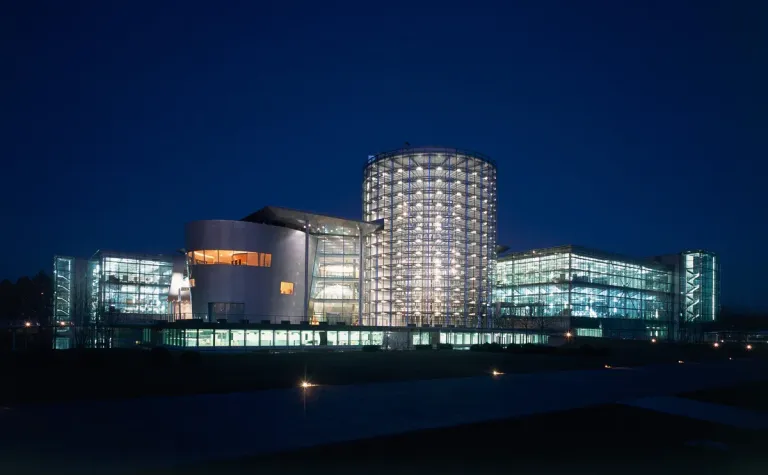
The four facilities under threat are all in Germany. VW’s own plants in Hanover, Zwickau, and Emden are on the list, along with Audi’s factory in Neckarsulm in Baden-Württemberg. The plan is to wind down production at each site as the models currently built there are phased out, rather than abrupt closures.
This is significant because a labour agreement reached with unions in 2024 had explicitly ruled out plant closures in Germany before the end of the decade. Pushing ahead would put Blume on a collision course with a powerful German workforce and the unions that represent it.
The proposed restructuring also goes well beyond jobs. Blume and CFO Arno Antlitz want to spin off the core Volkswagen brand and the group’s components manufacturing division into separate, independent entities. This would make it easier to eventually list individual business units on stock markets, giving each brand its own financial identity and accountability.
The reasons driving this restructuring are not new, but they have intensified. Volkswagen’s sales in China, which was for years its single biggest market, have been hit hard by local electric vehicle competitors, particularly from BYD and its growing stable of brands.
In the US, stiff tariffs introduced under the current American administration have added cost pressure. Meanwhile, the company’s profits fell sharply in 2025, with the group’s pre-tax earnings dropping around 54 percent.
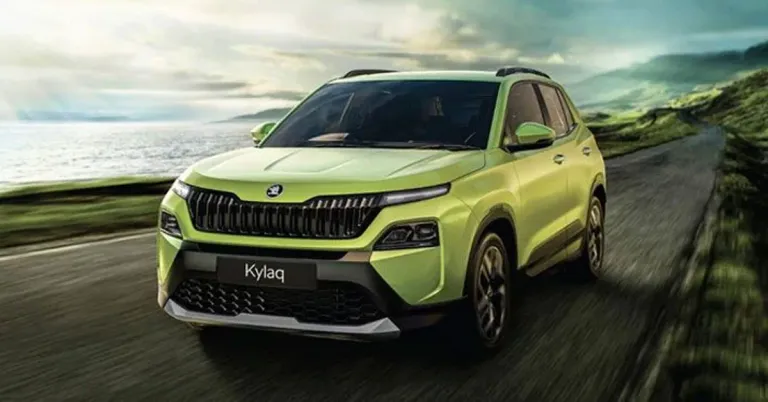
For consumers here, Volkswagen is represented primarily through Skoda Auto Volkswagen India, which recorded strong sales of 1.17 lakh units in 2025, a 36 percent growth year-on-year. The group currently holds about 2.5 percent of the market and has publicly stated a target of 5 percent by 2030.
The India operations are structured separately and so far remain insulated from the job cuts announced in Germany. The group’s India business is built on a localised manufacturing platform and continues to invest in new products.
The broader signal from what is happening at the parent level is harder to ignore. When a company with the depth and global scale of Volkswagen is forced into the most dramatic overhaul in its existence, the pressure on every player in the automotive industry grows.
The question of how to remain profitable while transitioning to electric vehicles and software-defined cars is no longer a long-term puzzle. For Volkswagen, it has become an urgent and very expensive crisis to solve.
Comments are closed.