
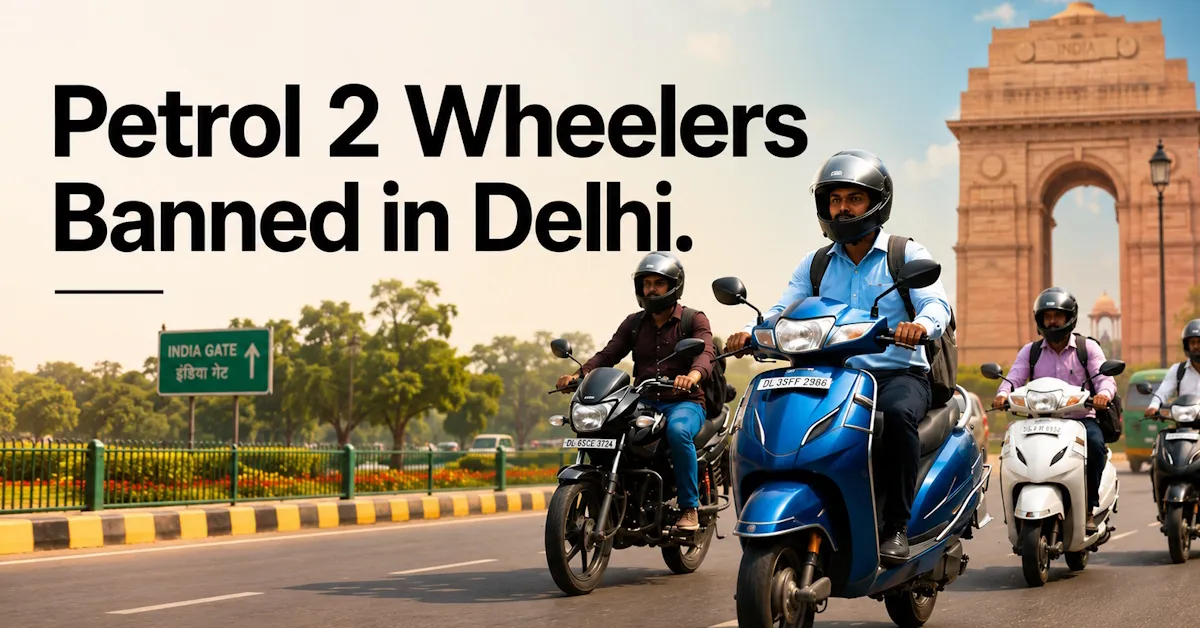

The Delhi Cabinet today approved the all-new Electric Vehicle Policy for Delhi. As feared by many, the new policy is more about a phased transition towards EVs in the national capital. Chief Minister Rekha Gupta recently announced that the new policy will come into effect from 1 July 2026 after receiving official approval from the Lieutenant Governor. The new policy will remain in force until 31 March 2030, and the estimated cost of implementing it is around Rs 7,000 crore.
Under the new EV policy, from 1 April 2028, only electric two-wheelers will be eligible for new registrations. This means the government will not allow the registration of new petrol- and CNG-powered motorcycles or two-wheelers in the capital.
While the ban on petrol two-wheelers will come into effect from 2028, things are different for autorickshaws and goods vehicles. As per the new policy, only electric rickshaws and N1-category goods vehicles will be registered in Delhi from 1 January 2027. The aim of this phased rollout is to reduce pollution in the region, especially that caused by vehicles.
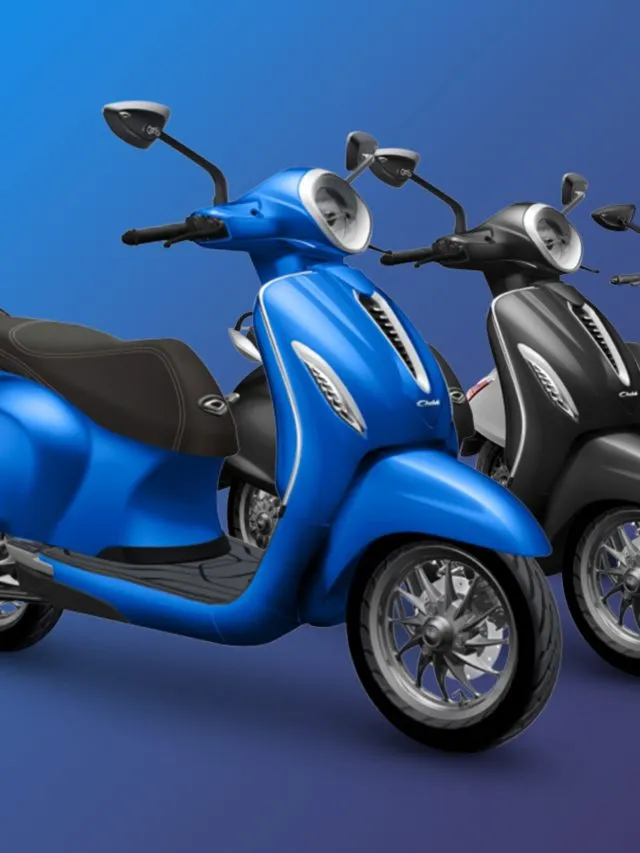
Now that the registration of new petrol two-wheelers is being phased out in Delhi, the government is promoting electric vehicles. Transport Commissioner Niharika said that people who buy electric vehicles will receive financial incentives of up to Rs 30,000 on electric two-wheelers and up to Rs 50,000 on electric rickshaws. The incentive amount for N1-category commercial electric vehicles will be around Rs 1 lakh.

Apart from this, owners will be eligible for additional incentives if they scrap their old vehicles while purchasing a new one. In addition to these incentives, pure electric vehicles will also be eligible for exemptions from road tax and registration fees. These benefits are exclusive to pure EVs, and hybrid vehicles are not eligible for subsidies under the new policy.
The government also mentioned that it is not setting a limit on the number of EVs that would be eligible for these benefits. This would allow customers to claim incentives on multiple vehicles.
Apart from restricting the registration of new petrol two-wheelers, the new EV policy also plans to install 23,000 public EV charging stations across the city by 2030. Eventually, the government wants to transition school bus fleets to EVs, and the power infrastructure will also be upgraded to meet the needs of the growing number of EV owners.
Transport Minister Dr. Pankaj Singh said that the new policy has been designed in such a manner that the interests of Delhi residents are kept in mind. The minister also urged citizens to switch to EVs.
Environment Minister Manjinder Singh Sirsa also stated that the new EV policy is based on scientific studies and would play a crucial role in reducing air pollution in Delhi. It was only last week that the Federation of Automobile Dealers Associations (FADA) and the Society of Indian Automobile Manufacturers (SIAM) urged the Delhi government to reconsider the proposals outlined in the draft EV Policy 2026. The organisations told the government that it is not the new BS6 vehicles that are causing pollution, but the older vehicles on the road.
Comments are closed.