
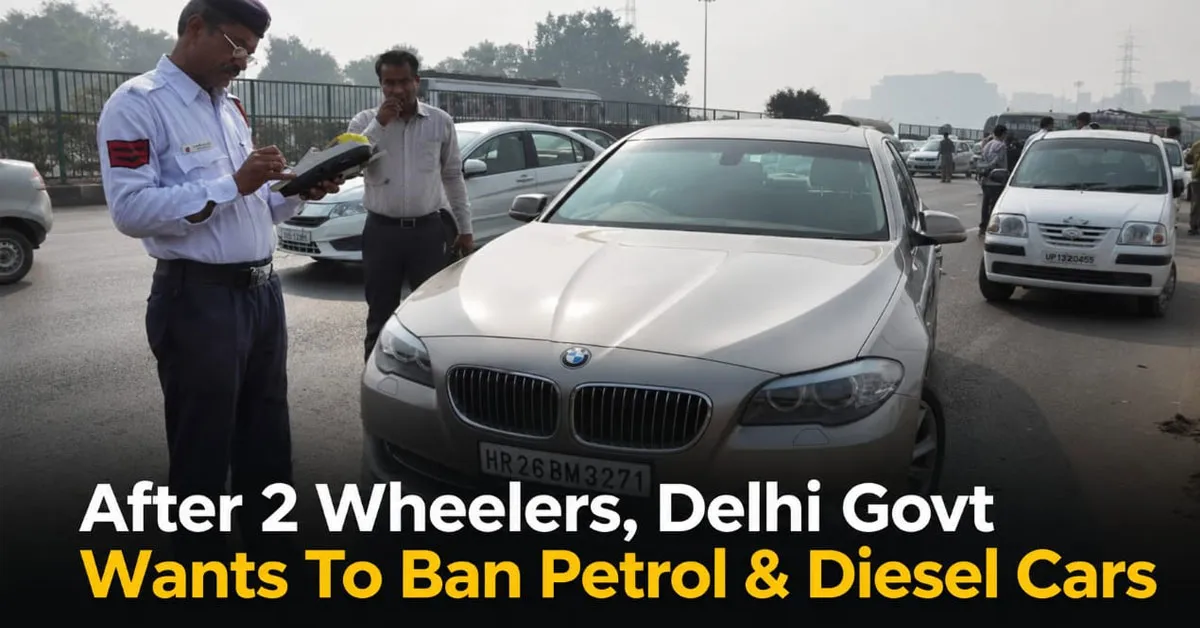

After petrol-powered two and three-wheelers, Delhi’s new EV policy now wants to ban petrol and diesel cars! Many see this policy as the most aggressive clean mobility push that India has ever seen. It came into effect on July 1, 2026 and will stay valid until March 31, 2030.
The Delhi government now wants to phase out internal combustion engine-powered cars and SUVs eventually. The new EV policy has confirmed that electrification mandates for four wheelers are in plans and will be introduced in the near future. Additionally, the policy will also disincentivise vehicles running on ‘inefficient’ fuels. This will, in the long run, slow down sales.
The policy document (page 16) says that the government ‘intends to bring out electrification mandates for four-wheelers in future as well as aim to make a framework for disincentivising polluting vehicles that use inefficient fuels.’
Plans to phase out petrol and diesel cars were not part of the draft Policy 2.0. These have, however, been incorporated into the final version. For now, the policy doesn’t mention a fixed timeline for the phase-out. It has only made the government’s direction clear- bikes and autorickshaws are the first targets, cars are the next in line!
If a ban similar to that of two and three-wheelers is introduced on cars, the impact will be huge. Cars are much more expensive than two wheelers. They are parts of a bigger economy and have longer ownership cycles. So, a blanket ban can be really worrying for a lot of people.
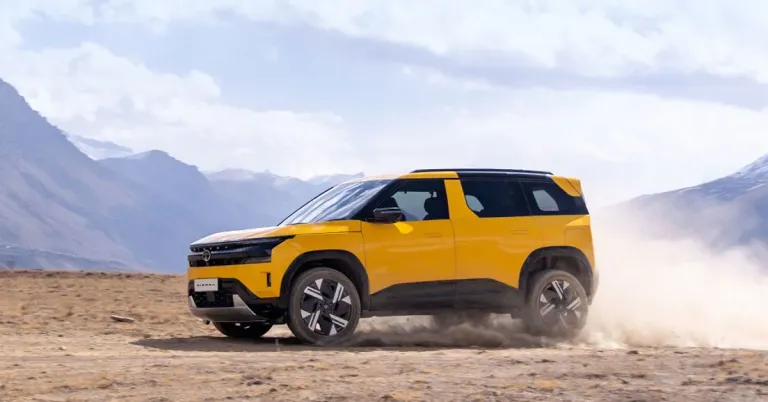
Image for representation only
Delhi’s new EV policy aims to reduce vehicular pollution and in the larger picture, improve air quality. The new policy states that registrations of new petrol and diesel three-wheelers in Delhi will stop from January 1, 2027. The city will stop registering non-electric two-wheelers from April 1, 2028. It has become one of the first Indian cities to come up with such deadlines.
The electrification mandates have not been officially announced for internal combustion engine-powered cars yet. However, owners can avail a scrappage bonus of up to Rs 1 lakh on BS4 and older internal combustion four-wheelers.
The policy has obviously triggered strong responses from the public and from automakers. Industry stakeholders have raised several concerns. These include EV options being limited in some segments, the cost factor, and even India’s dependence on China for battery and EV technology. There are also questions around the actual environmental benefits. This is because over 71% of India’s electricity comes from coal. Despite all these, the government went ahead with the policy.
Charging infrastructure remain another big issue. EV ownership can be quite challenging without access to a home charger. In the past, we have come across multiple such cases of EV owners struggling with the absence of home chargers. Delhi government is trying to compensate by installing more DC chargers. As many as 32,000 charging stations will be set up by 2030. This is likely to make life easy for EV owners.
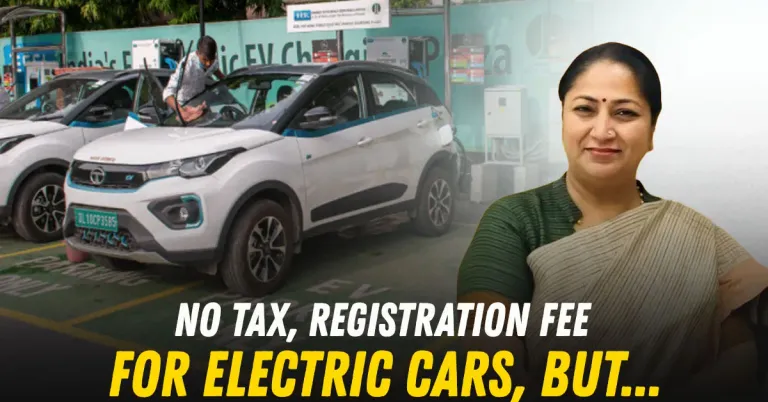
The policy heavily incentivises electric cars and SUVs. People who buy electric cars in Delhi will not have to pay road tax or registration fees. This brings down the upfront costs significantly. Many would find this attractive and decide to shift to EVs. However, the policy has set strict qualification guidelines for these benefits. They apply only to those vehicles which have ex-showroom prices of up to Rs 30 lakh. In other words, the mass-market EVs. This ensures that the policy benefits remain highly targeted.
Another important detail is that the policy has put no tax exemptions or cuts for hybrids. The previous draft had suggested that a 50% exemption from both road tax and registration fees could be introduced on ‘qualifying’ hybrids. Models with ex-showroom prices of up to Rs 30 lakh would qualify. This did not make it to the final form.
The above two may also be seen as early indicators of an upcoming blanket ban on internal combustion vehicles. In other words, a complete shift to EVs.
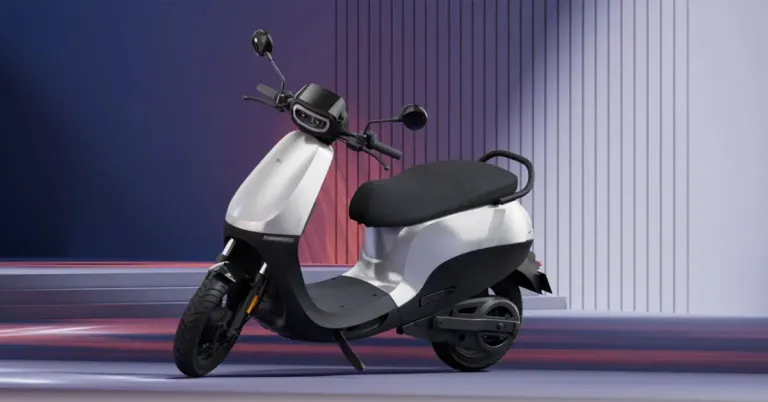
For electric two-wheelers, the policy has announced subsidies of up to Rs 30,000. These will be valid for the first three years. Buyers will get Rs 30000 in subsidy in the first year. This will slim out to Rs 20,000 and Rs 10,000 in the second and third years.
Bigger benefits are available to people buying electric three-wheelers and N1 category electric trucks (light commercial vehicles). The policy also intends to induct more electric buses into government fleets. Even schools will be required to electrify their fleets in the coming years.
Source
Comments are closed.