
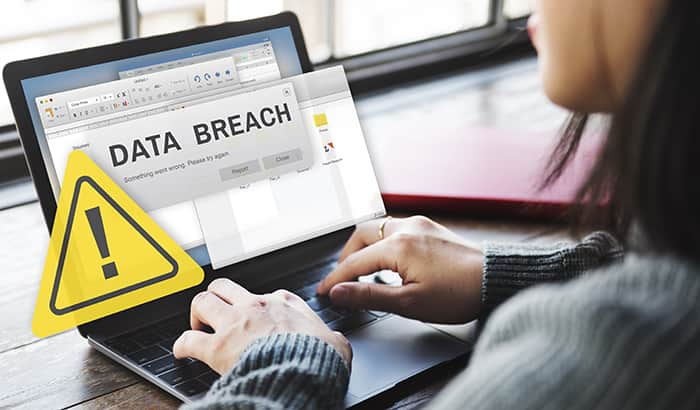

Everyone leaves personal data traces online each day. This includes everything from creating an account with a social network to shopping, bank transactions, or using mobile apps. While this makes our lives more comfortable, it poses a risk of data breach. In case of any kind of security incident with a company or website where you left your information, the consequences may hit without your prior notice. A lot of people ask themselves what happens after your data is leaked and whether there is anything they need to worry about. The fact is that it may cause either short- or long-term damage, depending on the nature of the leaked information. Fortunately, knowing about all of the threats that you may face will allow you to take the necessary actions to protect yourself.
This guide tells you what happens after your data is leaked, why criminals use stolen information, and how to react to its exposure.
What Happens After Your Data Is Leaked?
Once your data is exposed, you will no longer have control over its accessibility. The exposure can last from several days to months and even years, depending on the situation. If the information that was leaked is deleted from the source, there could still be other copies.
Depending on the situation, your personal information could go to:
- Exposure inside an organisation as a result of a mistake.
- Information exposure through insecure websites or cloud computing.
- Cybercrimes resulting in the sale of information on the black market.
This is why understanding what happens after your data is leaked is so important. The theft of data rarely occurs once in a while. On the contrary, it usually results in several actions that may have an impact on your privacy, financial security, and online presence.
Where Does Your Leaked Data Go?
Most users believe that leaked information disappears somehow. However, in reality, the spread of information is quite rapid.
In some cases, leaks become available to everyone due to poor security configurations. In others, the database is downloaded by cybercriminals almost instantly and then passed to other criminals. In severe cases, information is sold in underground markets where users buy login details, payment information, and identification information.
As soon as the information becomes accessible to anyone, it becomes impossible to get rid of it. Different criminals use the same information for different needs.
What Attackers Do With Leaked Information
Knowing what happens after your data is leaked also means understanding how cybercriminals use stolen information.
Login Information
Hackers will use your email address and password information in other websites, too. This is because most individuals reuse their passwords in different websites.
Contact Information
Phone numbers and email addresses are useful to the scammer. The chances are that you may receive more spam emails, fake delivery notifications, phishing emails, or even phone calls claiming to be from banks and customer support.
Identity Information
Your name, address, date of birth, or even any governmental IDs can be used for identity theft by criminals. They will try to open an account or get a loan in your name, among others.
Financial Information
Credit card numbers, banking information, and payment information are risky. Your credit card may be misused, or someone may make unauthorised payments.
What Happens After Your Data Is Leaked Over Time?
Typically, the impact of a data breach comes in waves as opposed to being instantaneous.
Uncertainty Immediately After the Incident
People typically find out that a data breach has occurred by either receiving an email notification, seeing it on the news, or noticing some abnormality with their account(s). In this phase, most people are not sure what data was actually exposed.
The uncertainty here creates fear due to the fact that it is hard to know how the data may be used.
Increased Scams
It does not take long until people begin to see increased activity associated with scams. This includes:
- Spam emails
- Texting scams
- Phone scams
- Social media impersonations
- Password requests or verification codes
Account Hijacks
If credentials are stolen by any means, hackers might be able to log into email accounts, shopping sites, cloud storage, and even social media accounts.
Content creators and influencers can suffer from reputational damage when it comes to their social media accounts.
Long-Term Effects of Identity Theft
One of the biggest concerns when considering what happens after your data is leaked is identity theft.
In contrast to passwords, which can be instantly replaced, criminals can use your identity details for quite some time after the initial breach.
Victims often realise the theft of their identity only upon receiving letters or bills from creditors.
How Data Leaks Affect Businesses
Not only individuals, but organizations too suffer from the effects of a data breach.
Organisations have to do the following in such circumstances:
Investigate the matter.
- Determine which systems were attacked.
- Notify customers who have been affected.
- Increase security precautions.
- Consult cybersecurity professionals.
- Comply with regulations or laws.
Firms can also incur financial loss and suffer a blow to their reputation. Customers tend not to trust firms that fail to keep sensitive information secure.
What You Should Do After Your Data Is Leaked
In case you become aware that your data is compromised, acting fast could help mitigate the consequences.
Change Your Passwords
Change the password of the compromised account at once.
Should you use the same password for other accounts, make sure to change them too. Each vital account needs a unique password.
Add Two-Factor Authentication (2FA)
Two-factor authentication is one more step toward safety.
Should your password get stolen, it is likely you will need one more thing to enter your account besides it.
Monitor Financial Accounts
Monitor your banking and credit card records frequently.
Notify your bank of any unusual actions.
Watch for Phishing Attempts
After understanding what happens after your data is leaked, you should be especially cautious about unexpected emails, calls, or text messages.
Do not provide passwords, OTPs, and banking information to someone who gets in touch with you out of the blue.
In case you get a suspicious message that claims to be from some business, try contacting that business via its website or customer service number rather than answering the message.
Check Recent Account Activity
There are many services that give you access to recent login records.
Be sure to identify any suspicious login records from unknown devices.
How to Reduce the Risk of Future Data Leaks
While it is impossible to completely protect yourself from all dangers online, it will be possible to become a more difficult target.
Such simple actions should include:
- Using different passwords for all your accounts.
- Saving your passwords with a reputable password manager.
- Enabling two-factor authentication wherever possible.
- Updating your devices and applications.
- Not clicking suspicious links.
- Not revealing personal information in public.
- Checking your privacy settings regularly.
Even small improvements will help minimize the probability of criminals succeeding in utilizing your information.
Final Thoughts
Understanding what happens after your data is leaked helps you respond with confidence instead of panic. A data breach does not automatically mean your identity or finances will be stolen, but it does increase the risk of scams, account takeovers, and identity fraud.
The most crucial thing is to be prompt and change passwords that have been compromised. You should use two-factor authentication and keep an eye on your finances. If you have good cyber safety practices, a breach will affect your life a lot less.
Now that most of our personal information has been moved online, being aware is just as essential as being equipped with good security programs. The knowledge about what happens once your personal information gets out can help you to spot the signs in time and protect yourself.

Comments are closed.