
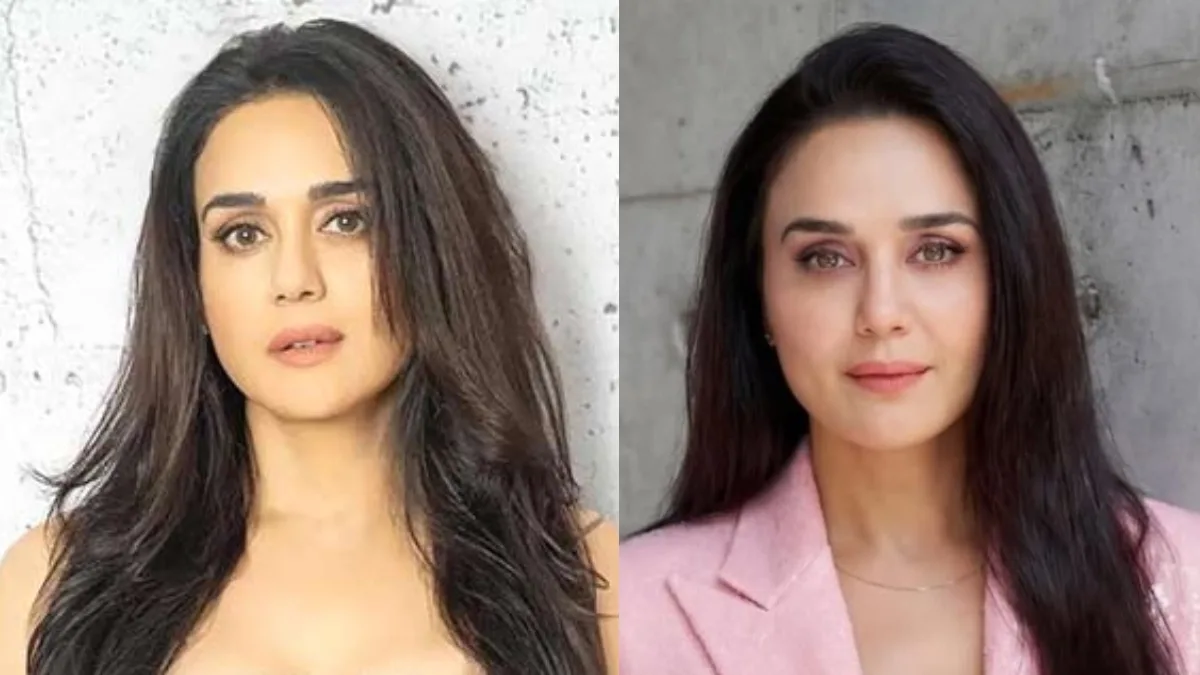
Preity Zinta Moves Bombay High Court Against AI Deepfakes; Google, Meta Asked to Devise Takedown Mechanism

Actor Preity Zinta has approached the Bombay High Court seeking legal protection against the growing misuse of her identity through artificial intelligence-generated deepfakes, morphed images and other unauthorised digital content. The court has now directed Google, Meta and other parties named in the case to work together on a practical mechanism to remove such content before it considers granting interim relief.
According to court filings, Zinta has sued Google LLC, Meta Platforms, domain name registrars, unidentified individuals and several other entities, alleging that AI-generated videos, manipulated photographs and chatbot-style interactions using her likeness have been circulating online without her knowledge or consent. The actor contends that the material infringes her personality rights, privacy, reputation and copyright while also damaging her goodwill.
Appearing for Zinta, senior advocate Venkatesh Dhond argued before the court that advances in artificial intelligence have made deepfake technology increasingly sophisticated, making it difficult for ordinary users to distinguish between genuine and fabricated content. He urged the court to direct online platforms to promptly remove the identified material and prevent the further spread of unauthorised AI-generated content using the actor’s identity.
Representatives for Google and Meta told the court that the companies are willing to remove objectionable content once specific URLs are identified. However, they opposed any blanket direction requiring platforms to proactively monitor all uploaded material, arguing that such an obligation would be impractical. The companies also informed the court that some of the links cited in the petition did not contain objectionable content.
Hearing the matter, Justice Madhav Jamdar observed that the court must strike a balance between protecting an individual’s personality rights and preserving legitimate online content. Instead of passing immediate interim orders, the judge directed all parties to prepare a workable takedown protocol that would ensure only infringing material is removed while lawful content remains unaffected. The matter has now been listed for further hearing on July 6.
The legal proceedings stem from permission granted by the Bombay High Court last month allowing Zinta to institute a civil suit despite several respondents being located outside Mumbai. The court accepted that a substantial part of the alleged infringement and the actor’s reputation fall within its jurisdiction, enabling it to hear the matter.
Zinta is the latest among a growing list of Indian celebrities seeking judicial protection against the misuse of their identities in the digital space. Over the past two years, actors including Kartik Aaryan, Akshay Kumar, Shatrughan Sinha, Shilpa Shetty and Suniel Shetty, along with singers Asha Bhosle and Arijit Singh, have secured similar legal relief from the Bombay High Court against unauthorised commercial use of their names, images and likenesses.
The case also reflects the increasing challenge posed by generative AI technologies. As deepfake videos and AI-generated images become more realistic, public figures have voiced concerns about fabricated advertisements, manipulated interviews and fake endorsements that can mislead audiences and damage reputations. Courts in India have increasingly recognised personality rights as a legal safeguard against such misuse, particularly when digital content is created or circulated without consent.
Comments are closed.