

5
Rising temperatures are turning outdoor labour into a dangerous public health crisis.
New Delhi
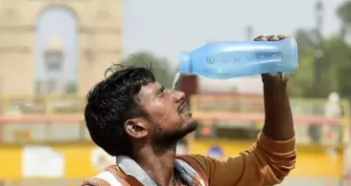
Severe heatwave conditions continuing across northern India have turned Delhi’s streets, construction sites and delivery routes into zones of sustained occupational risk, with outdoor workers, gig workers and informal labourers facing growing exposure to extreme temperatures.
With mercury levels repeatedly crossing 45°C during peak spells, health experts say the capital is witnessing conditions where prolonged outdoor labour is becoming medically unsafe.
According to the National Crime Records Bureau (NCRB) in its Accidental Deaths and Suicides in India report, thousands of deaths in India are recorded annually due to heatstroke and sunstroke, underscoring the scale of heat-related mortality. Experts caution that these figures likely understate the real burden, as heat is often recorded under secondary causes such as dehydration, cardiac arrest or organ failure.
Hospitals in Delhi report a seasonal surge in emergencies during peak summer, with patients arriving from construction sites, roadsides and markets suffering from severe dehydration, confusion and heatstroke, a condition that can turn fatal within hours if untreated.
“We are seeing a consistent rise in heat-related admissions during heatwave days, particularly among outdoor workers. Many arrive already in critical condition due to prolonged exposure and delayed rest or hydration,” said a senior health professional at a Delhi government hospital.
Construction workers remain among the most affected. Working long shifts under direct sun with limited shade or water access, many report early warning symptoms but continue due to wage dependency.
“If we stop working, we lose the day’s pay. The heat is there, but survival is also there,” said a construction worker in central Delhi.
Gig workers face similar pressures on the road. Delivery riders and app-based drivers spend long hours navigating traffic under extreme heat, often during peak afternoon temperatures.
“Even when the heat is unbearable, we cannot just stop. If we go offline, we lose orders and income. The app keeps pushing us to stay active,” said a delivery rider working in east Delhi.
Street vendors and informal traders remain exposed for most of the day, operating from roadside stalls where heat is intensified by concrete surfaces and vehicle emissions. Sanitation workers, meanwhile, continue outdoor duties as temperatures rise, often without structured rest cycles or heat-specific protective equipment.
Public health experts warn that the impact of extreme heat extends beyond immediate illness. Repeated exposure is linked to kidney stress, cardiovascular strain and chronic fatigue, particularly among low-income workers who often delay treatment due to financial constraints.
While authorities have rolled out heat action plans that include advisories on hydration, adjusted working hours and identification of cooling centres, implementation remains uneven, especially in informal and platform-based labour sectors where regulation is limited.

Comments are closed.