
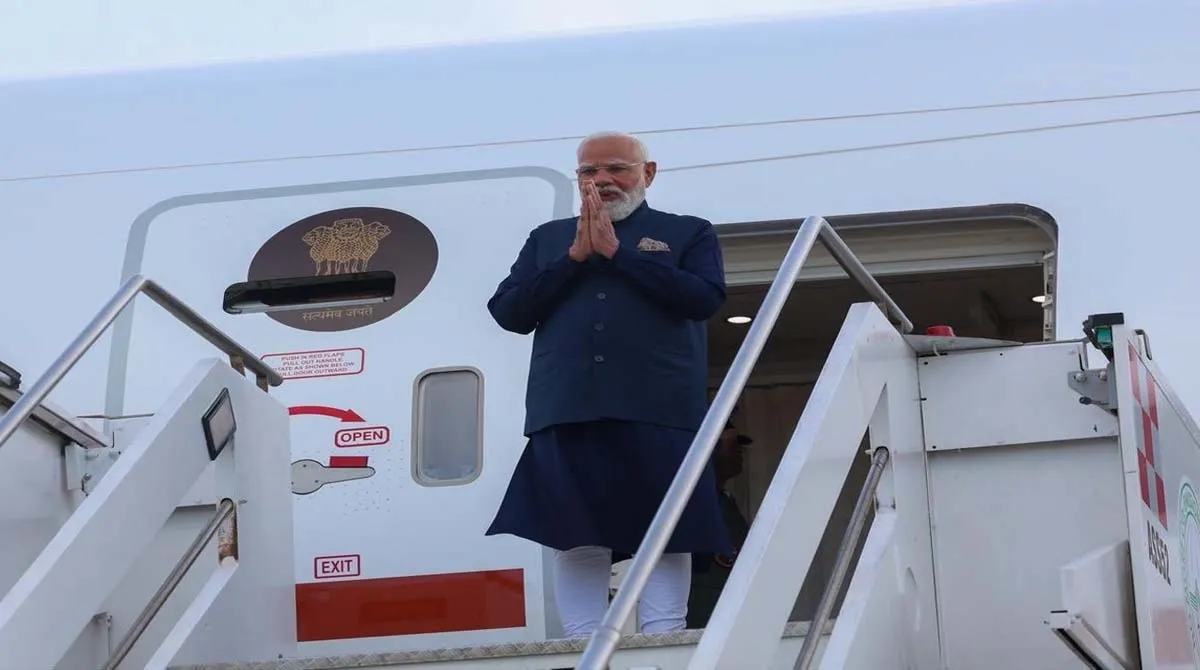
Modi’s ‘Mega Plan’ from Indonesia to New Zealand: The world will be shaken by his visit to 3 countries

Prime Minister Narendra Modi is leaving on a very important 6-day foreign trip from today. This visit is being considered a big step for India’s diplomatic and strategic future. In this tour running from 6 to 11 July, PM Modi will visit Indonesia, Australia and New Zealand. The main objective of this visit is not only to deepen bilateral relations with these countries but also to further strengthen India’s position in the Indo-Pacific region.
Strategic partnership will increase with Indonesia
The tour will start from Indonesia. PM Modi will be in Jakarta and Yogyakarta from July 6 to 8 on the invitation of President Prabowo Subianto. This is Modi’s first bilateral visit after both the countries achieved the status of ‘Comprehensive Strategic Partnership’ in 2018. Defense, maritime security, trade and new technology will be discussed during the visit. The Prime Minister will also visit the world famous Prambanan Temple, which is a symbol of the shared cultural relations between the two countries.
India’s strength will be visible in Australia and New Zealand
After Indonesia, PM Modi will go to Melbourne (Australia). The focus of his talks there with PM Anthony Albanese will be on defence, maritime cooperation and Indo-Pacific strategy. Apart from this, major agreements are also expected on sports, education and new emerging technologies. At the same time, in the last leg of the journey, the Prime Minister will reach Auckland, New Zealand. His talks with PM Christopher Luxon there will focus on trade, investment and speedy implementation of the recently signed Free Trade Agreement (FTA).
India’s global message
Before leaving, PM Modi made it clear that this visit will take India’s ‘Act East Policy’ and ‘MAHASAGAR’ vision to new heights. Diplomatic experts believe that through the visit to these three democratic countries, India will send a message to the world that it is playing a leading role in promoting regional stability, economic cooperation and rules-based system.

Comments are closed.