
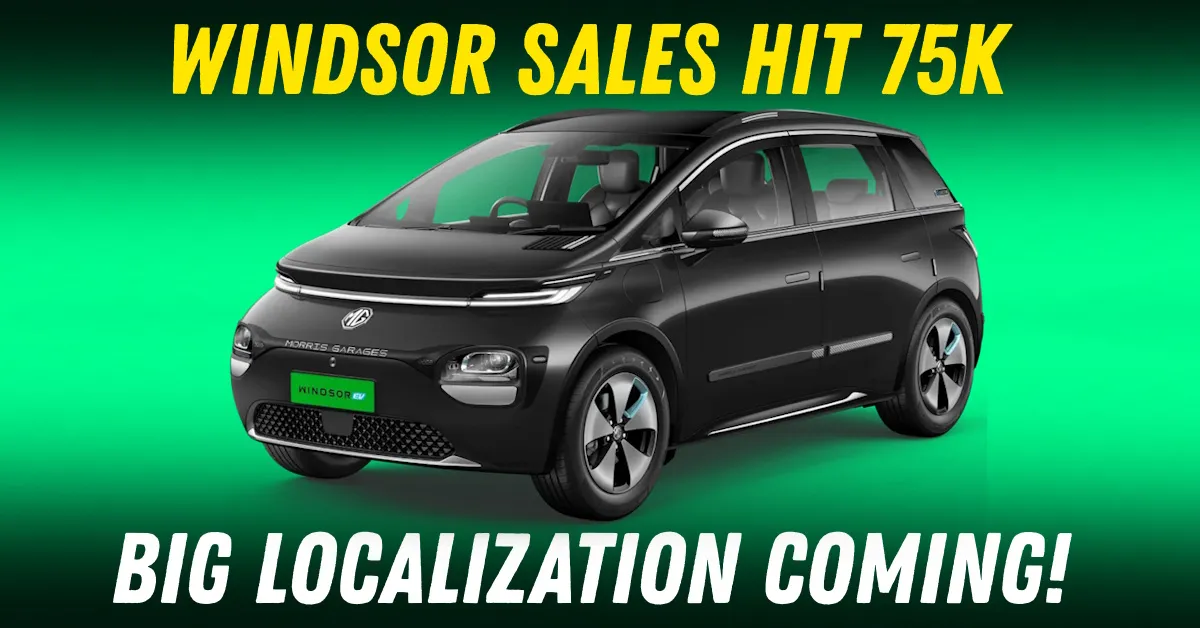
Windsor EV Sales Cross 75,000 Units: Localization Is MG Motor’s Bet For Double Digit Sales Growth

JSW MG Motor India is pushing to increase the localisation level of the Windsor EV to more than 70 percent. The company is linking that move directly to its target of double-digit overall sales growth in 2026. This is not just a manufacturing target. It is a way to reduce supply-chain risk at a time when electric vehicles still depend heavily on imported cells, electronics and specialised components.
The Windsor gives MG a strong base for this bet. Launched in October 2024, the EV has crossed 75,000 cumulative units in 21 months. In June 2026 alone, it recorded 4,056 units. Over its 21-month run, it has averaged around 3,700 units a month. That makes it more than just another model in the portfolio. It has become MG’s main growth driver.
The Windsor is priced between Rs 14.09 lakh and Rs 18.60 lakh ex-showroom. That places it in the part of the EV market where demand is building quickly: above the entry-level EV hatchback space, but well below premium electric SUVs. For buyers, the appeal is a mix of price, cabin space and running-cost logic. For MG, the appeal is volume. Higher volumes give the company more room to localise components and negotiate better with suppliers.
Battery cells and advanced electronic components remain the most difficult parts to localise. But MG is trying to deepen local sourcing wherever possible. The company has already stated that it wants Windsor localisation to go beyond 70 percent. For comparison, the Comet EV is reported to be at around 61 percent localisation, while the Hector is just above 50 percent. That makes the Windsor the company’s most important localisation project.
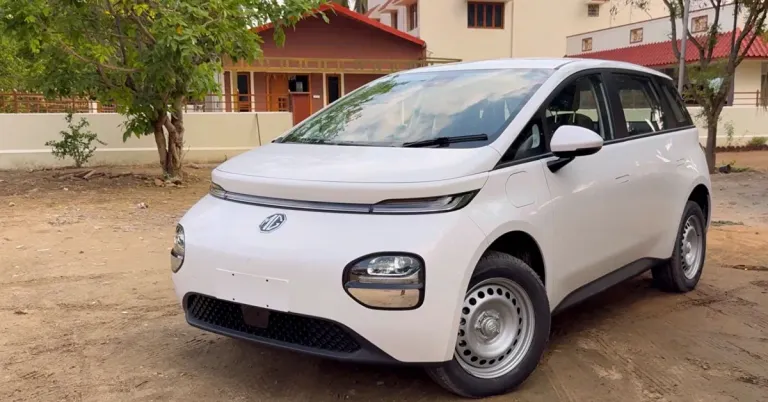
The business logic is straightforward. The higher the imported content, the greater the exposure to currency movement, global freight disruption, import duties and component shortages. A carmaker with 70 percent local content is better protected than one with half its cost base linked to imports. It can manage pricing more confidently and respond faster if demand rises.
JSW MG is also investing Rs 3,000 crore to Rs 4,000 crore to expand capacity and strengthen its supply chain. That investment is important because localisation cannot be done only by changing vendor names. Suppliers need volume visibility, tooling, quality systems and predictable demand. The Windsor’s sales performance gives MG a stronger case to build that domestic supply base.
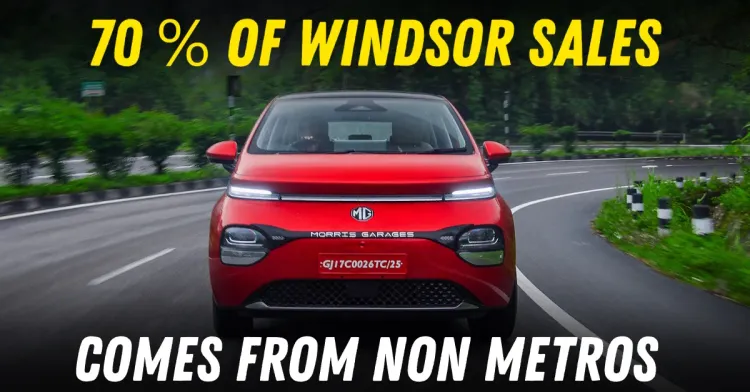
One of the most important Windsor data points is where the demand is coming from. Around 70 percent of its sales are from outside the four major metros of Delhi, Mumbai, Kolkata and Chennai. That is significant for an EV. Electric cars have generally found their earliest buyers in large cities, where charging awareness and infrastructure are better. The Windsor’s stronger traction outside the top metros suggests that EV demand is no longer limited to the usual urban centres.
MG’s network also supports that shift. The company has more than 500 sales and service touchpoints across India, with a large share outside the four metros. For an EV buyer in a smaller city, aftersales access can be as important as purchase price. The Windsor appears to be benefiting from that wider reach.
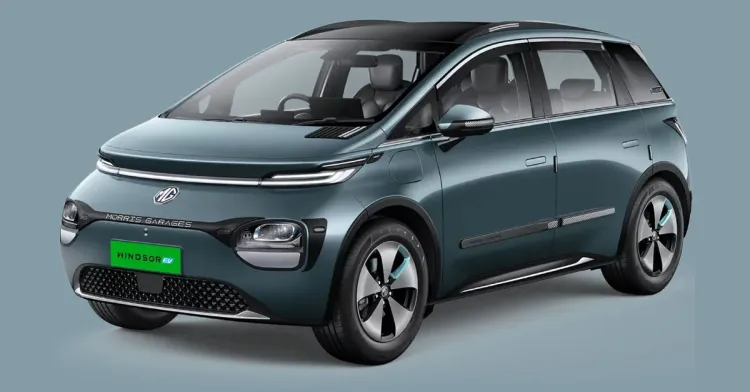
JSW MG Motor India sold 70,554 vehicles across its portfolio in calendar year 2025. To deliver double-digit growth in 2026, it has to move well past that figure. The Windsor is expected to do much of that work. Its June 2026 number alone shows that it is contributing a large share of the company’s monthly volumes.
Localisation supports this growth plan in two ways. First, it reduces cost pressure and helps MG hold its pricing position. Second, it lowers the risk of supply disruption if demand continues to rise. In the EV market, having a good product is only one part of the equation. Being able to build and deliver it consistently is equally important.
The harder piece is battery-cell localisation. That depends not only on MG, but also on India’s broader battery manufacturing ecosystem. Until local cell supply becomes commercially mature, EV makers will remain partly exposed to imports. Still, the Windsor gives MG something many localisation plans lack: a live, high-volume product with demand from both metros and smaller markets.
Comments are closed.