
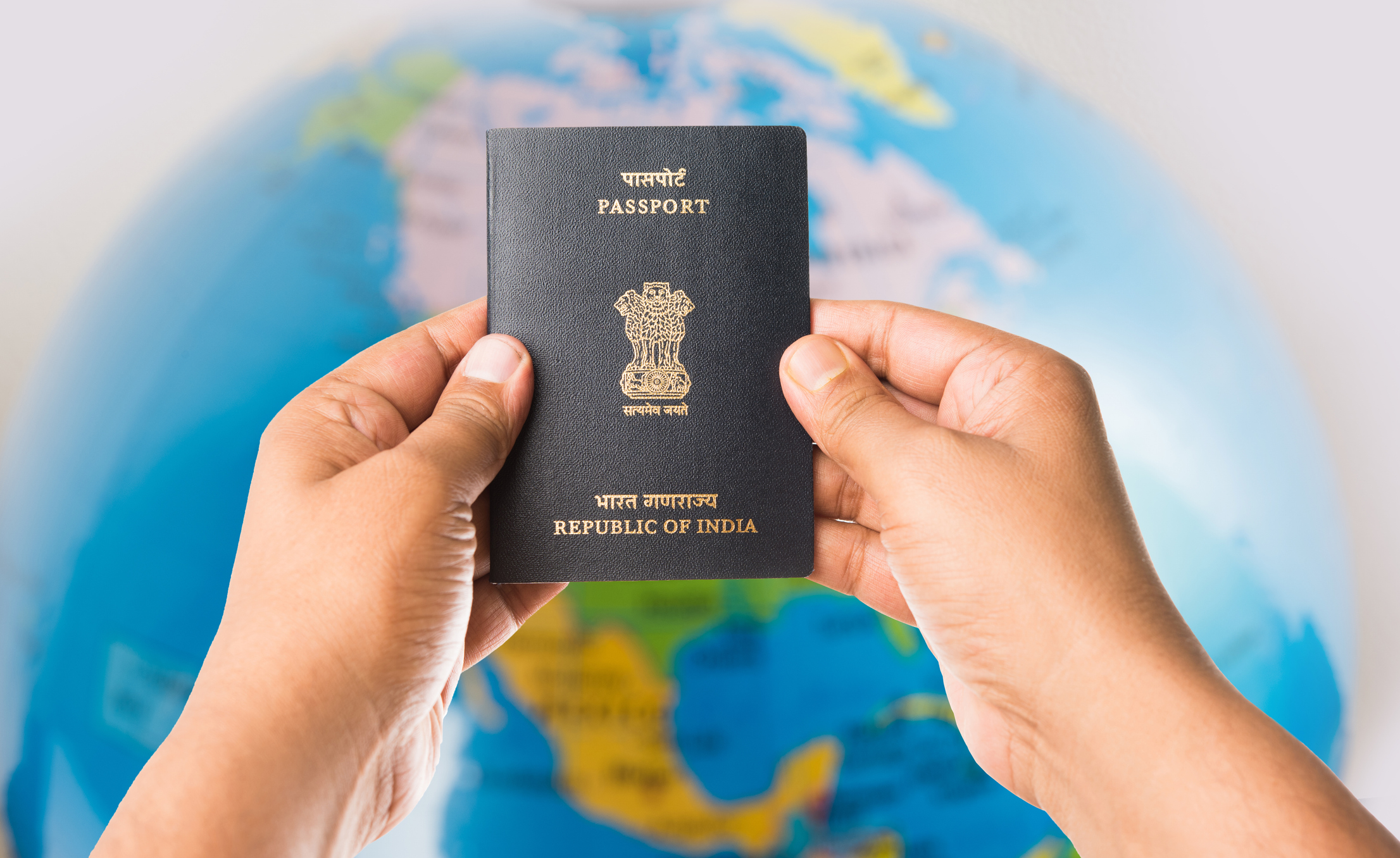

India’s passport has slipped in the latest global passport rankings, with neighbouring countries presenting a mixed picture depending on how passport strength is measured.
According to the latest Henley Passport Index 2026, India ranks 80th globally, down from its previous position, even though Indian passport holders continue to enjoy access to 56 destinations without obtaining a traditional visa before departure. The ranking is based on data from the International Air Transport Association (IATA) and evaluates 199 passports across 227 destinations solely on the basis of travel freedom.
Also read: Passport fees hiked from July 1: Fresh 36-page passport to cost Rs 2,500
The mobility score of 56 includes countries offering visa-free entry, visa-on-arrival and Electronic Travel Authorisation (ETA). Experts note that a country’s ranking can decline even if its own visa access remains unchanged, as other nations may improve their positions by signing new visa waiver agreements.
Why is China ahead of India?
However, a broader assessment by the Global Citizen Solutions Global Passport Index 2026 paints a different picture. Unlike the Henley rankings, this index evaluates passports using three parameters, namely travel mobility (50 per cent), investment potential (25 per cent) and quality of life (25 per cent), across 197 countries.
Under this methodology, India ranks 125th globally, placing it behind China but ahead of most of its South Asian neighbours. India’s ranking is weighed down primarily by limited international mobility despite improvements in economic growth and domestic development indicators.
Also read: Passport row: If a passport isn’t proof of citizenship, what is? Experts explain
China emerges as the strongest passport among India’s neighbours, ranking 104th in the global index. While its citizens do not enjoy the world’s highest travel freedom, Beijing’s aggressive economic diplomacy has expanded visa-free and visa-on-arrival access to more than 80 destinations. China also benefits from stronger investment credentials, although its overall ranking is moderated by lower scores on personal freedoms and quality-of-life indicators.
In the Henley rankings, China is in the 59th position.
Neighbours trail India
Among India’s South Asian neighbours in the global index, Bhutan ranks 132nd (87th in Henley). Although the Himalayan nation enjoys stable regional travel arrangements, its tightly regulated investment environment limits its overall performance in the index.
Sri Lanka is placed 141st (93rd in Henley), reflecting weaker travel mobility and the lingering effects of its recent economic crisis on investment attractiveness.
Also read: Why Indian passports have 4 colours: Who gets which one? Explained
Further down the rankings, Nepal stands at 164th ranking (97th in Henley), while Bangladesh ranks 166th (96th in Henley). The former’s passport provides visa-free or visa-on-arrival access to only about 10 destinations, significantly lower than India’s. Bangladesh’s position is affected by limited travel agreements and weaker investment indicators.
Weakest passports
At the bottom of the regional rankings is Pakistan, placed 90th in Henley rankings and 188th in the global index. The latter attributes its low ranking to severe travel restrictions, economic instability and weak investment prospects.
Afghanistan remains the world’s weakest passport, ranking 198th in the global index. In the Henley index, too, it ranks last at 103rd. Ongoing conflict, humanitarian challenges and international isolation continue to limit travel freedom, investment opportunities and overall quality-of-life indicators.
Under both assessments — Henley Passport Index and Global Passport Index — China remains ahead of India, but India continues to outperform most of its South Asian neighbours, including Sri Lanka, Bangladesh, Nepal, Pakistan and Afghanistan.

Comments are closed.