
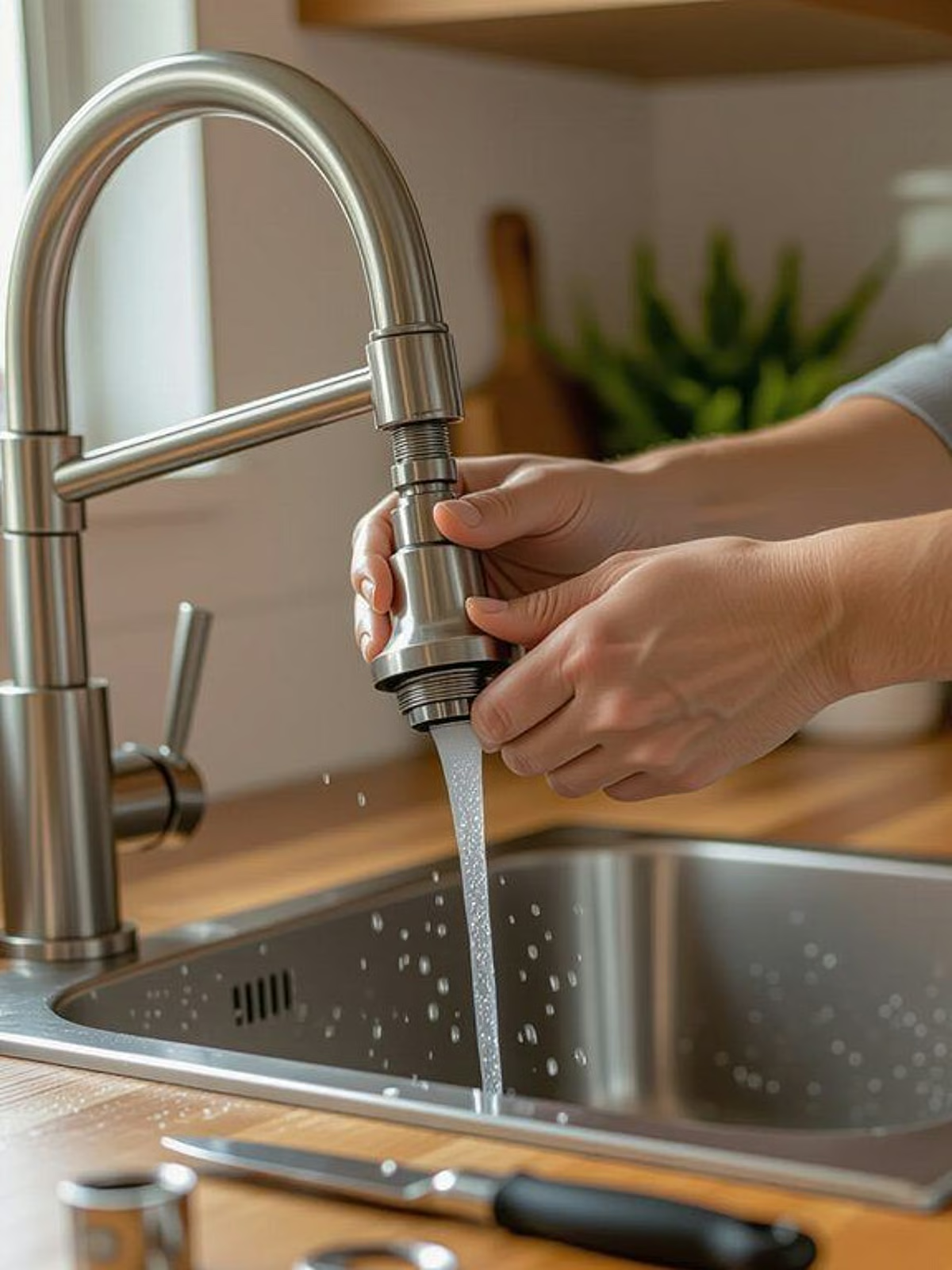

5 Common Hacks to Fix Your Leaky Faucets
A dripping faucet may seem like a minor annoyance, but over time it can waste hundreds of liters of water and increase your utility bills. Fortunately, many common faucet leaks can be fixed with a few simple tools and basic DIY skills. Here are five practical hacks to help stop that constant drip.
1. Replace the Worn-Out Washer
One of the most common causes of a leaking compression faucet is a worn rubber washer.
What to do:
- Turn off the water supply.
- Remove the faucet handle.
- Replace the old washer with a new one of the same size.
- Reassemble the faucet and test it.
This inexpensive fix often solves the problem immediately.
2. Tighten Loose Faucet Parts
Over time, nuts, screws, and packing nuts inside the faucet can become loose, causing leaks.
What to do:
- Use an adjustable wrench or screwdriver.
- Gently tighten any loose components.
- Avoid overtightening, as this can damage the faucet.
Sometimes a simple adjustment is all that’s needed.
3. Replace the O-Ring
A damaged O-ring can cause water to leak around the faucet handle.
Steps:
- Remove the handle.
- Slide off the old O-ring.
- Install a matching replacement.
- Reassemble the faucet.
O-rings are inexpensive and available at most hardware stores.
4. Clean Mineral Deposits
Hard water can leave mineral buildup inside the faucet, preventing parts from sealing properly.
How to clean it:
- Soak removable parts in white vinegar for 30–60 minutes.
- Scrub gently with an old toothbrush.
- Rinse thoroughly before reinstalling.
Regular cleaning helps extend the life of your faucet.
5. Replace the Faucet Cartridge
Modern cartridge faucets often leak because the cartridge has worn out.
To replace it:
- Turn off the water supply.
- Remove the faucet handle.
- Pull out the old cartridge.
- Install an identical replacement.
- Reassemble and turn the water back on.
Replacing the cartridge usually restores smooth operation and stops leaks.
Tools You May Need
- Adjustable wrench
- Screwdriver
- Replacement washer
- Replacement O-ring
- Replacement cartridge (if needed)
- White vinegar
- Plumber’s grease
- Soft cloth
When to Call a Plumber
DIY repairs may not be enough if:
- The faucet body is cracked.
- The leak continues after replacing parts.
- Water is leaking from pipes under the sink.
- There is visible corrosion or significant damage.
A licensed plumber can diagnose and fix more serious plumbing issues.
Final Thoughts
Most faucet leaks are caused by worn or loose components and can be repaired without replacing the entire fixture. With a few basic tools and replacement parts, these simple hacks can help stop leaks, conserve water, and save money on your water bill. Regular maintenance also helps keep your faucets working efficiently for years to come.
Comments are closed.