
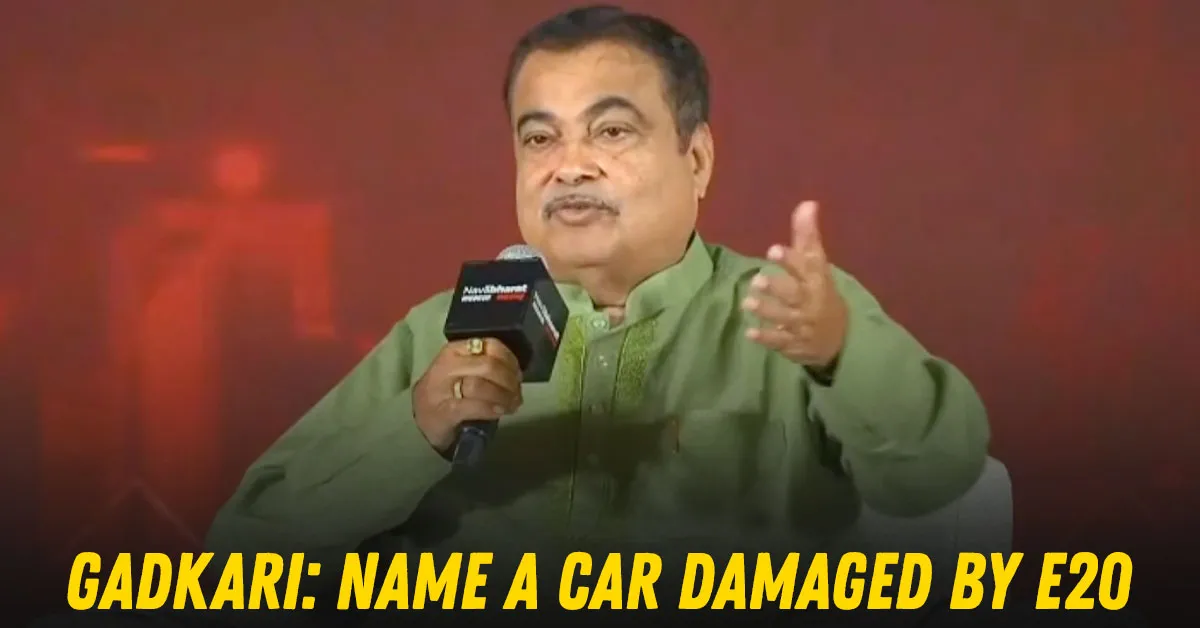

The protests against E20 petrol (20% Ethanol-blended petrol) are intensifying across India. In the past few days, several videos have surfaced on various social media platforms, talking against E20 petrol. Union Road Transport and Highways Minister Nitin Gadkari on Tuesday (July 7), dismissed these and even challenged critics to cite even a single real-world case of vehicle damage due to E20 usage.
Speaking at the Viksit Bharat Conclave on Tuesday, the minister took a firm stand against criticism of E20 petrol. He said there is no real-world evidence of vehicles getting damaged by E20 petrol.
He asked critics a direct question: name even one car in India that has faced issues due to E20 fuel usage. According to him, no such verified case exists. Such claims, he said, are misleading and unverified. He also made it clear that moving towards ethanol-blended fuels is necessary for India’s economy and environment.
He went a step further and alleged that misinformation around E20 is being deliberately circulated. He called those narratives false and even suggested that they may be part of paid campaigns.
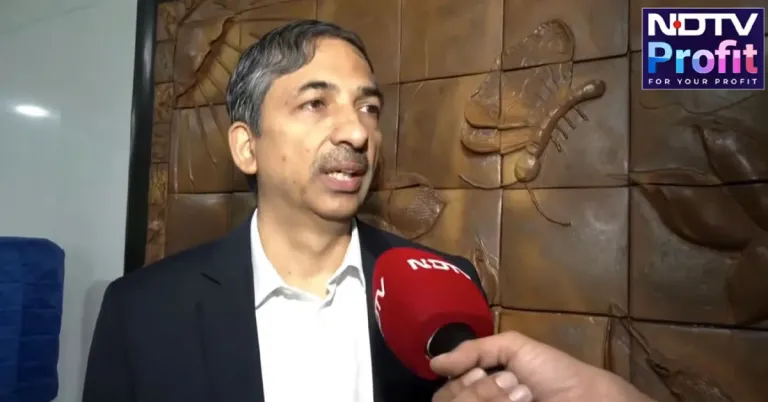
Image: NDTV Profit screenshot
In the past few days, senior leaders from automakers like Maruti Suzuki, Toyota, and Hero MotoCorp have supported the rollout of E20 petrol. Their statements are meant to reassure existing users, particularly people who own older cars.
For example, Maruti Suzuki’s Rahul Bharti said that using E20 petrol in its cars designed for E10 will not cause any damage. He added that this claim is based on data collected from a large number of vehicles.
Hero MotoCorp’s Ashutosh Varma shared a similar view on E20. Toyota’s Vikram Gulati also spoke about the extensive testing, certification and homologation that vehicles and fuels go through before reaching customers. He maintained that the use of E20 petrol alone will not cause damages in Toyota vehicles.
Despite these, most people continue to be concerned about the adverse impacts that the use of E20 petrol may have on their vehicles.
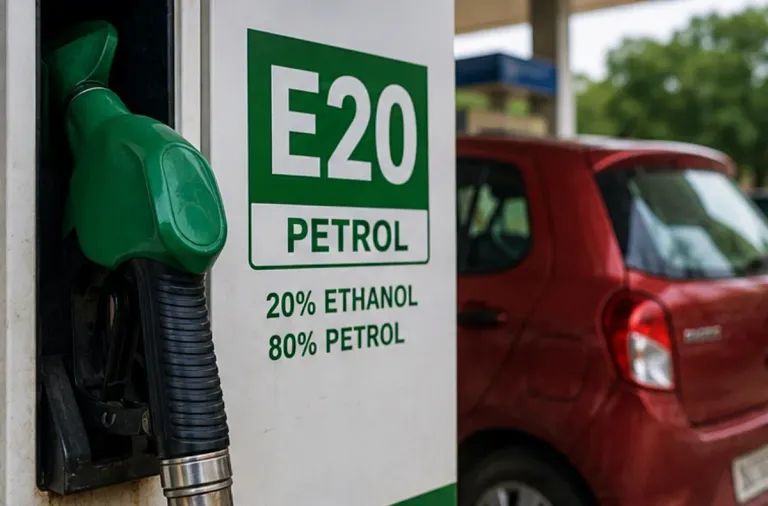
India has already achieved 20% ethanol blending in petrol. In other words, it E20 target. This plays an important role in reducing the country’s dependence on fossil fuels.According to Gadkari, India spends around Rs 22 lakh crore every year on fuel imports. This is a huge burden on the national economy.
By using Ethanol (blending), India can reduce fuel imports and use more locally produced fuel. Our country has a large agricultural economy. Ethanol is produced from crops like sugarcane, corn and rice. Using this for blending will even increase farmers’ incomes. Increasing local production of blended fuel will also help stabilise costs in the long run. This can make petrol more affordable.
The shift to ethanol-blended petrol is also helping farmers. Gadkari explained that when ethanol production from corn was encouraged, market prices improved significantly. Corn prices increased from around Rs 1,200 per quintal to nearly Rs 2,800 per quintal.
He said this move has added about Rs 45,000 crore to the income of farmers, especially in states like Uttar Pradesh and Bihar.
There have been allegations that Gadkari’s family business has benefited from the ethanol policy and the blending program.
He responded by saying that while his family members do own sugar factories, they are not dependent on ethanol production alone. He denied that his personal interests had any influence on the government’s decisions.
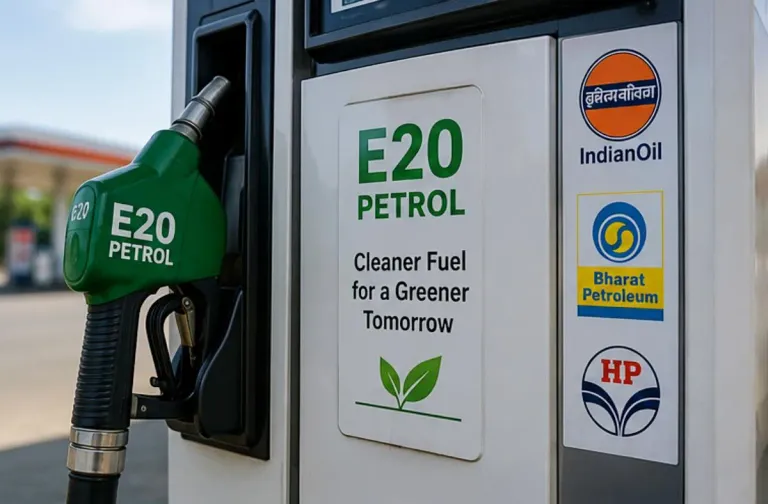
The government is not stopping at E20. It is planning to expand the use of multiple alternative fuels.Proposed changes to the Central Motor Vehicles Rules, 1989, will support fuels such as, E85 and E100 (flex fuel), B100 biodiesel, and Hydrogen-CNG blends.
The push for ethanol is part of a larger strategy. India wants to reduce fuel imports, cut pollution, and support local agriculture. Increasing local production of fuel not only strengthens the economy but may also help control prices over time.
Comments are closed.