

Saif Ali Khan Says Bollywood Can Be Divided Into ‘Before And After Dhurandhar’, Calls Film A Game-Changer

Saif Ali Khan has described Dhurandhar as a landmark film that has changed the way he looks at Hindi cinema, saying the industry can now be viewed as existing in two phases—before and after the release of the Ranveer Singh-starrer. The actor shared his thoughts while reflecting on the film’s impact on storytelling, music and filmmaking in a recent interview.
Speaking to The Hollywood Reporter India, Saif said Dhurandhar had altered his perspective on how films can be made. “I see a time before Dhurandhar and a time after. So, it is up to us if we catch up or wake up or not,” he said, adding that the film had introduced ideas that he believes could influence the future of Bollywood.
Explaining what impressed him most, Saif pointed to the film’s approach to music. He said Dhurandhar demonstrated that filmmakers need not restrict themselves to creating a conventional album for every project. Instead, he praised the makers for drawing inspiration from different musical styles across the world and for blending diverse influences into the film’s soundtrack. He also said filmmakers should not hesitate to incorporate English in music or dialogue where the narrative demands it.
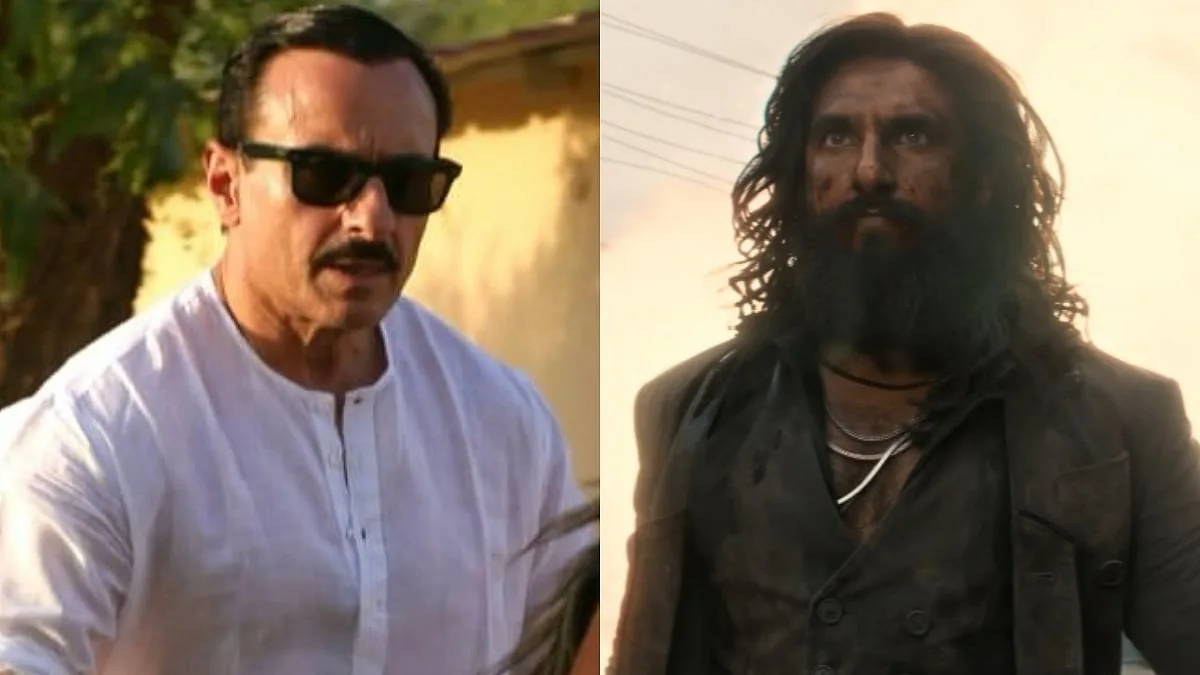
Saif reserved special praise for Shararat, one of the songs from the film, describing it as “revolutionary”. According to the actor, the track represented a fresh creative direction in mainstream Hindi cinema and showcased how music can become an integral part of storytelling rather than simply serving as a promotional tool. He suggested that such experimentation could encourage filmmakers to rethink conventional approaches to film music.
Directed by Aditya Dhar, Dhurandhar stars Ranveer Singh in the lead role and has emerged as one of the most talked-about Hindi films of recent times. The espionage action drama has been praised for its large-scale production, action sequences and music, while also generating discussion over its storytelling and depiction of geopolitical events.
During the interview, Saif also reflected on his own journey in Hindi cinema, which spans more than three decades. Looking back at films such as Dil Chahta Hai and Omkara, he said he felt fortunate to have been part of projects that challenged established norms and introduced audiences to new storytelling styles. He added that working on such films had allowed him to contribute to cinematic experiences that might not otherwise have been created.

The actor also spoke about longevity in the film industry, saying adaptability and a willingness to embrace change are essential for sustaining a successful career. According to Saif, actors and filmmakers must continue evolving with changing audience preferences and technological advancements if they want to remain relevant in an increasingly competitive entertainment landscape.
Dhurandhar, which features an ensemble cast including Ranveer Singh, Sanjay Dutt, R. Madhavan and Arjun Rampal, has attracted attention for its ambitious scale and technical execution. The film, directed by Aditya Dhar, is inspired by covert operations and geopolitical conflicts, with its narrative loosely drawing from real-world events while presenting a fictional story.
Saif’s comments have added to the conversation surrounding the film’s influence on contemporary Hindi cinema. By describing Dhurandhar as a dividing line in Bollywood’s creative evolution, the actor suggested that the film has raised expectations for how mainstream commercial cinema can blend music, storytelling and large-scale filmmaking. His remarks come as the film continues to be discussed for its cinematic approach and commercial success, with audiences and industry members alike evaluating its impact on the future direction of Hindi films.
Comments are closed.