

Plus more good news this week.
Medically reviewed by Madeline Peck, RDN, CDN
Key Points
- Micro-nanobubble technology removes over 90% of microplastics from wastewater in lab tests.
- This method could improve wastewater treatment and potentially filter microplastics from drinking water.
- Reducing plastic use and preventing microplastics in the environment are key to protecting health and ecosystems.
This is Good Food Newsyour weekly installment of positive food and health news from around the world. These feel-good stories are hand-picked by EatingWell editors to help make your week just a little bit brighter.
Featured Story: How Nanobubbles Could Remove the Majority of Microplastics from Wastewater
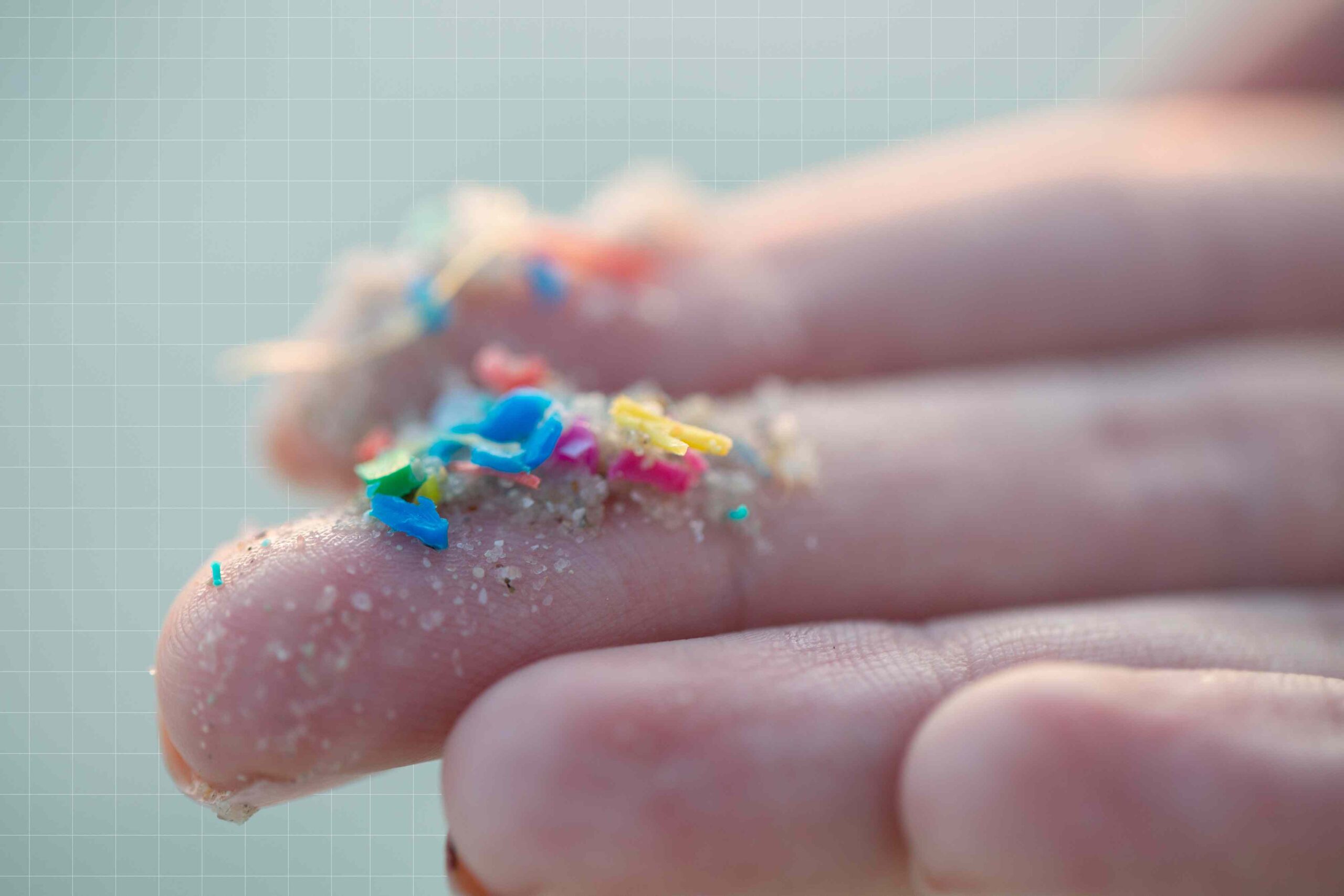
Microplastics seem to be everywhere. They can make their way into our wastewater, which in turn flows into our oceans. Doing a load of laundry with synthetic textiles, using certain household cleaning products like sponges and using certain cosmetics can all release microplastics that end up down the drain.
Fortunately, scientists are continuing to find solutions to reduce microplastics from entering our environment. A recent study published in the American Chemical Society’s ES&T Water journal found that enhancing wastewater treatment by using microbubbles and nanobubbles significantly improved the removal of microplastics from water.
So, what are “microbubbles” and “nanobubbles” exactly? We asked study author Biplob Pramanik, PhDto give us the breakdown.
“Microbubbles are tiny air bubbles (typically 10–100 micrometres) that provide buoyancy and lift particles to the water surface,” he explains. “Nanobubbles are much smaller (less than 1 micrometre) and have unique surface properties that enhance particle attachment and aggregation. In our approach, nanobubbles help microplastics clump together, while microbubbles float these larger particles to the surface where they can be removed. By combining both bubble types, we achieved over 90% microplastic removal in laboratory-scale wastewater treatment.”
The combined system removed up to 95% of polyethylene (a type of synthetic plastic) and 97% of polystyrene (a synthetic polymer found in packing peanuts and Styrofoam), which could further improve methods already in use by wastewater treatment plants.
While Pramanik notes that wastewater treatment plants already do a great job of filtering out microplastics from the water, this additional science can help filter wastewater more effectively.
“Due to the large volumes of wastewater processed every day, even a small amount of escaping microplastics can result in significant environmental releases,” Pramanik says. “In addition, many captured microplastics accumulate in sewage sludge, which may be reused as biosolids. Improving microplastic removal at the early stages of treatment can further reduce their release to waterways and biosolids, helping to protect ecosystems and public health.”
But wait, there’s more: while more testing is still needed, this micro-nanobubble process could potentially be used to filter drinking water, which could help significantly reduce our microplastic intake in our daily lives.
“[It] could be adapted for drinking water treatment because it is based on physical separation and flotation principles already used in water treatment facilities,” Pramanik shares. But he admits that there’s still a long way to go, as “drinking water applications would require additional testing and optimisation to ensure consistent removal of very small particles while meeting strict drinking water quality and safety standards.”
Microplastics shouldn’t be your no. 1 concern when it comes to your food and drink choices. But new technology lowering the amount of microplastics that allow themselves into our drinking water and wastewater is always good news to hear about. In the meantime, you can reduce your microplastic intake with simple steps—like swapping out plastic cooking utensils in your kitchen.
“People should be aware of microplastics rather than alarmed,” Pramanik says. “Microplastics are widespread in the environment, and research is ongoing to better understand their long-term impacts on ecosystems and human health. While many questions remain, reducing unnecessary plastic use and preventing microplastics from entering the environment are sensible precautionary measures.”
More Good News This Week
Trying to Lose Weight? Here’s How to Get Started
While your social media feeds may be full of fad diets and absurd exercise plans, we know that healthy, sustainable weight loss can be achieved through simple meal planning and tasty yet nutritious cooking. Our new guide demonstrates how you can achieve your goals one recipe at a time.
The 2 Best Teas for Kombucha, According to a New Study
A brand-new study published in Food Chemistry reveals that green tea and oolong tea are both ideal for concocting gut-healthy kombucha, thanks to their antioxidant properties. This is great news for those who love recipes like our Homemade SCOBY, which recommends green tea as a viable tea option for its 2 week fermentation.
We Just Found One of Princess Diana’s Favorite Dinner Recipes
Former royal family chef Darren McGrady recently shared that Princess Diana was a fan of a classic summer comfort food: stuffed bell peppers. Specifically, she adored a vegetarian version as the princess avoided beef, so she likely enjoyed peppers stuffed with veggies like mushrooms, zucchini and tomatoes. Stuffed peppers are such a classic, cozy dinner option, and our favorite recipes use simple ingredients.
Video of the Week
@sadesmillz i was today years old when i learned what a french cruller was
♬ original sound – sadie miller
Listen, it’s called balance. But we think that Sadie and her dad would both love these breakfast recipes, as they’re nutrient-dense but magically taste like dessert:

Comments are closed.