
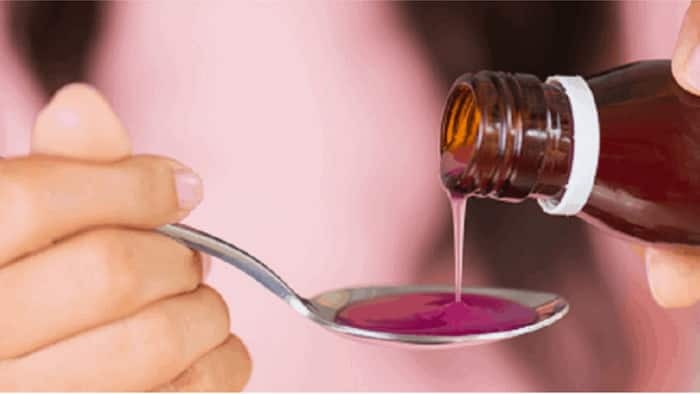
Goodbye OTC Syrups: Modi Govt Curbs Open Sale of High-Alcohol Medicines Under Stricter Drug Rules:

In response to rising recreational misuse of liquid formulations, the Central Government has introduced a major policy amendment to the Drugs Rules, 1945. Moving forward, the Ministry of Health and Family Welfare has stripped all oral liquid medicines containing more than 12% ethyl alcohol by volume (v/v) and sold in containers larger than 30 ml of their open-market status. By removing these products from the historically exempt Schedule K, the Union Government has officially placed them under the heavily regulated net of Schedule H1, requiring a mandatory prescription before a transaction can occur.
The New Mandate: Closing the Exemption Loophole
The main reason for this quick legislative action is the warnings from multiple state drug-control directorates. Regulators noticed that certain aromatic formulations, classical tonics, and herbal tinctures—including popular ginger and cardamom extracts—were being manufactured with massive ethyl alcohol concentrations fluctuating between 40% and 90%. Taking advantage of older exemptions, these high-proof mixtures were being commercialised over the counter as a direct substitute for liquor in regions enforcing partial or absolute alcohol prohibition.
The new legal framework closes this loophole seamlessly. Under the updated gazette guidelines, any high-alcohol preparation sold in retail quantities exceeding 30 ml must obtain standard commercial distribution licenses. Pharmacists are legally bound to verify a valid slip from a Registered Medical Practitioner (RMP) before retrieving these items from inventory.
Decoding Schedule H1: Stricter Rules for Maximum Safety
Originally instituted in 2013 to slow the dangerous expansion of multi-drug-resistant superbugs and the unmonitored retail distribution of habit-forming sedatives, Schedule H1 enforces tough accountability standards on local retail pharmacies. The classification requires every physical box or bottle to print a distinct, eye-catching warning encased inside a thick red-bordered box. The label clearly states that taking the preparation without precise medical guidance is dangerous and forbids retail sale without an authorised prescription.
Furthermore, the placement under Schedule H1 drastically changes how a pharmacy handles sales bookkeeping. Chemists must now record every transaction in a specialised, dedicated register. This ledger captures the exact date of sale, the complete name and contact coordinates of the prescribing physician, the specific name of the patient, and the exact quantity dispensed. Pharmacists are legally required to preserve these logs alongside the physical prescriptions for a minimum duration of three years, opening up the supply chain to sudden spot audits by regional drug inspectors.
The Chemistry Dimension: Why Alcohol Exists in Formulations
Public health specialists are quick to clarify that this regulatory push is not an absolute ban on medical ethanol, which remains a fundamental component in pharmaceutical manufacturing. Alcohol, typically formulated as pure ethanol, serves as an exceptional solvent in both traditional and modern medicine. Many active pharmaceutical ingredients, essential botanical compounds, and hydrophobic flavouring agents refuse to dissolve in standard pure water.
Beyond its basic solvent properties, ethanol acts as an aggressive chemical stabiliser, preventing rapid molecular degradation of fragile therapeutic components during multi-month storage cycles. It also acts as a powerful preservative by completely inhibiting the biological reproduction of bacteria, fungi, and micro-parasites within liquid media. In classical Unani, Ayurvedic, and Homoeopathic architectures, verified concentrations are also routinely utilised to extract the maximum number of medicinal compounds from tough organic roots and raw plant materials.
The Consumer Impact: Paediatric Syrups Stand Unaffected
For most people using local health clinics, this policy will not disrupt routine household healthcare needs. Medical experts clarify that standard over-the-counter pediatric drops, standard multi-symptom cold syrups, and routine dry-cough remedies will remain entirely unaffected by the new restriction.
Because standard commercial cough formulations either utilise alternative non-alcoholic chemical compounds or maintain ethanol levels well below the strict 12% threshold, they will remain fully available on open shelves. The policy is specifically targeted at high-volume, high-concentration tinctures and tonics, adding a secure layer of professional medical supervision to protect vulnerable demographic groups from accidental dependency or unintended neurological toxicity.

Comments are closed.