
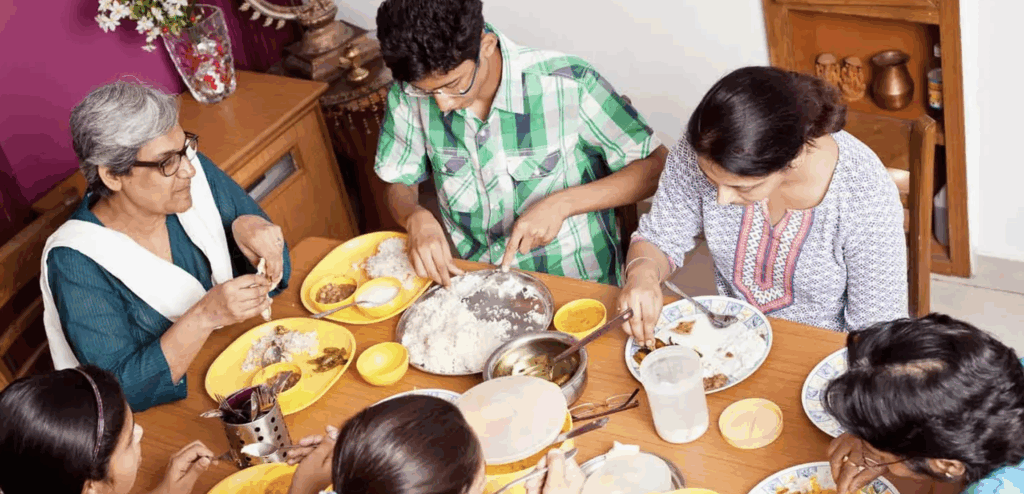

India is facing a growing nutritional challenge as changing food habits contribute to rising obesity levels across the country. While calorie intake remains adequate for many households, diets are increasingly dominated by cereals and refined grains, with insufficient consumption of protein-rich foods. Health experts warn that this imbalance is leading to a form of malnutrition where people consume enough calories but lack the nutrients needed for a healthy body.
A Shift Towards High-Carbohydrate Diets
Over the years, cereals such as rice and wheat have continued to make up a large share of the average Indian diet. However, the intake of protein-rich foods—including pulses, eggs, dairy products, fish, and meat—has not kept pace with changing nutritional needs.
As a result, many people consume excess carbohydrates while falling short on essential proteins that support muscle development, metabolism, and overall health.
Obesity Is Rising Alongside Poor Nutrition
The report highlights a growing paradox in India: increasing obesity despite widespread nutritional deficiencies. A diet high in refined carbohydrates and low in protein can contribute to weight gain while failing to provide adequate nutrition.
Combined with sedentary lifestyles and lower levels of physical activity, this dietary imbalance is increasing the risk of obesity, diabetes, heart disease, and other lifestyle-related illnesses.
Why Protein Matters
Protein plays a crucial role in repairing tissues, maintaining muscle mass, supporting immunity, and keeping people full for longer periods. Nutrition experts recommend including a variety of protein sources in daily meals, such as pulses, lentils, milk, yoghurt, eggs, soy products, nuts, seeds, fish, and lean meat.
A balanced diet containing sufficient protein can help improve metabolism and reduce the likelihood of overeating.
The Need For Better Dietary Awareness
Experts believe improving nutrition requires more than simply increasing food availability. Public awareness about balanced diets, portion control, and healthier eating habits is becoming increasingly important as India faces a growing burden of lifestyle diseases.
Policies that encourage access to affordable, protein-rich foods and nutrition education could play a significant role in improving public health outcomes.
Looking Ahead
India’s obesity challenge is no longer linked only to excess food consumption but also to poor dietary quality. As eating habits evolve, nutrition experts stress the importance of balancing carbohydrates with adequate protein and other essential nutrients. Adopting healthier diets, combined with regular physical activity, will be key to reducing obesity and improving long-term health.
Summary
India’s rising obesity rates are increasingly linked to diets that are high in cereals and refined carbohydrates but low in protein. While people may consume enough calories, inadequate protein intake can contribute to poor nutrition, weight gain, and lifestyle diseases. Experts recommend balanced diets, greater protein consumption, and regular physical activity to improve overall health and reduce obesity.
Image Source

Comments are closed.