


First-half 2025 sales show a large difference between BMW and Mercedes-Benz in fully electric cars. They do not, however, show BMW abandoning plug-in hybrids or Mercedes-Benz retreating from electric vehicles.
Both companies recorded strong growth in plug-in-hybrid sales. The real divergence was in battery-electric vehicles, where BMW sold more than twice as many cars as Mercedes-Benz.
The BMW brand delivered 1,070,814 cars globally during the first six months of 2025. This was 2.3 percent lower than during the corresponding period of 2024.
Mercedes-Benz Cars delivered 899,974 vehicles, a decline of 6 percent. The difference between the two stood at 170,840 vehicles.
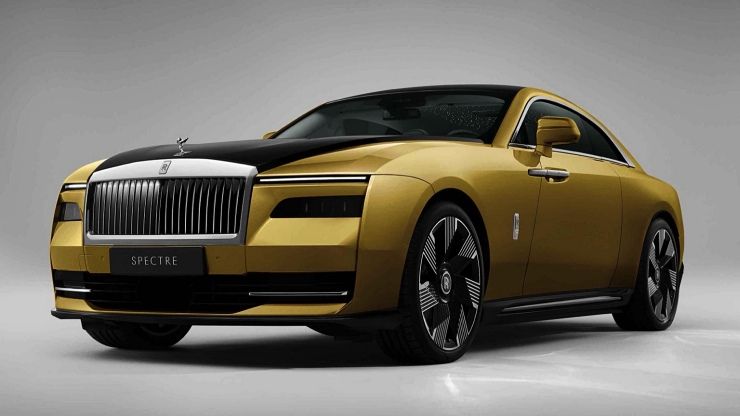
BMW Group’s wider figure of 1,207,388 vehicles should not be directly compared with Mercedes-Benz Cars. The BMW Group number also includes MINI and Rolls-Royce.
The same distinction applies to electric sales. BMW Group’s widely quoted figure of 220,540 battery-electric vehicles includes fully electric models from BMW, MINI and Rolls-Royce.
The BMW brand reported 272,402 electrified cars during the first half of 2025. This total included 98,339 plug-in hybrids, leaving approximately 174,000 fully electric BMWs.
Mercedes-Benz Cars sold 180,766 electrified vehicles. These comprised 75,733 battery-electric cars and 105,033 plug-in hybrids.
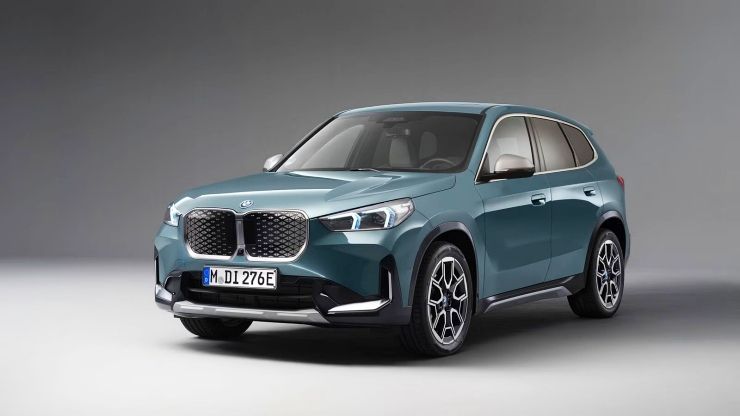
BMW therefore sold around 2.3 times as many fully electric cars as Mercedes-Benz. However, Mercedes-Benz sold only 6,694 more plug-in hybrids than BMW.
The direction of growth was also similar. BMW-brand plug-in-hybrid sales rose 28.9 percent, while Mercedes-Benz plug-in-hybrid sales increased 21 percent. Mercedes did not sell 180,800 plug-in hybrids, as previously stated. That figure represented its entire electrified range, including both BEVs and PHEVs.
BMW Group’s battery-electric sales increased 15.7 percent to 220,540 units. Mercedes-Benz Cars’ BEV sales fell 19 percent to 75,733 units.
BMW’s current advantage comes partly from having electric versions across several established model lines, including the i4, i5, i7, iX1 and iX. MINI also made a significant contribution to the BMW Group’s electric total.
At the same time, BMW is investing heavily in the dedicated electric Neue Klasse platform. Its first production model is the new-generation iX3. Technologies introduced through Neue Klasse will later appear across other BMW models and powertrains.
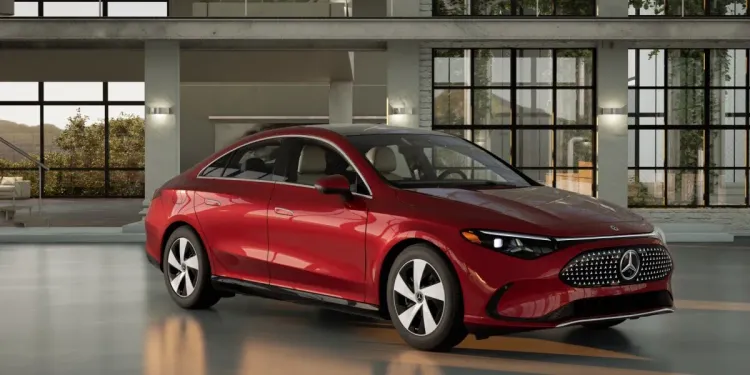
Mercedes-Benz is also continuing its electric investment. The company launched the electric CLA in Europe during 2025 and is developing new electric models based on its MMA and MB.EA architectures. It is also retaining plug-in hybrids and electrified combustion models as part of a more flexible product plan.
There is no adequate official basis for stating that Mercedes-Benz has decided to discontinue the EQS nameplate or replace it with an electric S-Class. Such future-model claims should not be presented as confirmed until Mercedes-Benz announces them.
The first-half figures show that BMW currently has a much stronger battery-electric business. Mercedes-Benz relies more heavily on plug-in hybrids within its electrified range.
They do not show one company choosing electric cars while the other chooses hybrids. BMW’s PHEV business grew faster than its overall sales, while Mercedes-Benz continues to fund and launch new battery-electric models.
The more accurate conclusion is that BMW has built a substantial lead in pure-electric sales, while Mercedes-Benz’s PHEVs are helping offset a sharp fall in its BEV volumes.
Via LiveMint
Comments are closed.