

Learn how cyclosporiasis spreads and the symptoms to watch for.
Reviewed by Dietitian Emily Lachtrupp, M.S., RD
Key Points
- Cyclospora spreads via contaminated produce; wash all fruits and veggies under cool, running water.
- Cooking produce kills cyclospora, so opting for cooked veggies when you can may help reduce risk.
- If you are experiencing long-term diarrhea, seek medical care immediately.
If you’ve noticed more headlines about diarrhea outbreaks this summer, you’re not imagining things. More than 800 people across the U.S. have been sickened by cyclosporiasis, an intestinal illness caused by the parasite Cyclospora cayetanensissince May, with cases reported in at least 31 states.
The unpleasant symptoms—most notably diarrhea that can drag on for days or even weeks—are being tied to fresh produce, particularly delicate items like berries, leafy greens and herbs. Here’s what food safety experts want you to know about how cyclospora spreads and the smartest ways to protect yourself and your family.
What Is Cyclospora, and How Does It Spread?
Cyclospora is a microscopic parasite that contaminates food or water, most often fresh produce. “It’s largely a foodborne parasite, not something one can catch from another person,” says Nneoma Oparaji, MDa Houston-based physician. It spreads when people eat food or drink water that’s been contaminated with the parasite—commonly leafy greens, fresh herbs, berries and salad mixes. Importantly, the contamination almost always happens well before food reaches your kitchen. “Contamination typically occurs during growing, harvesting or processing rather than in the home,” she says.
Dani Dominguez, M.S., RDNa registered dietitian nutritionist and founder of SunBright Wellness, echoes that point: cyclospora most commonly spreads through contaminated water or vulnerable fresh produce, and it isn’t typically spread through casual contact with someone who’s sick. “The cyclospora parasite can contaminate fruits and vegetables before they ever reach your kitchen,” Dominguez says. “This is why food safety starts long before you take your first bite.”
Neither expert wants that to scare people away from the produce aisle. “Produce is not the problem; the contamination is,” Dominguez says. “The goal is not to fear the fruits and vegetables, but to handle them safely.”
Why Some Produce Is Riskier Than Others
Cyclospora tends to cling to foods with lots of tiny nooks and crannies—think raspberries, blackberries, lettuce, cilantro, green onions and basil. Those textures give the parasite more surface area to hide inand these items are also less likely to be cooked, a step that would otherwise kill it. Smoother produce, like grapes, blueberries, melons and cucumbers, is generally easier to clean thoroughly, which can lower your risk.
How to Wash Produce the Right Way
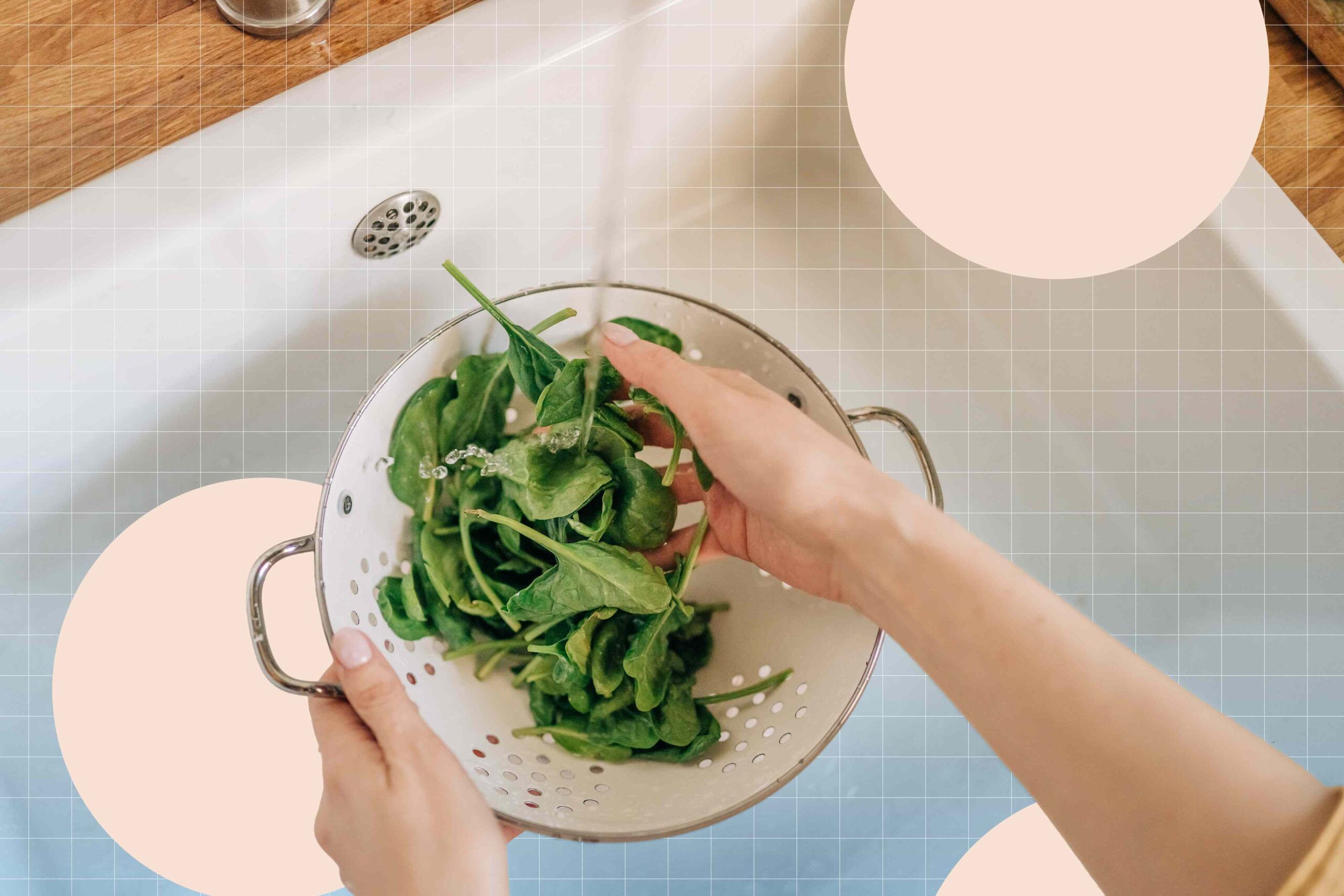
Both experts agree that proper washing is probably your best defense at home. (Keep in mind: washing reduces but doesn’t eliminate the risk.) Start with the basics: wash your hands with soap and water before handling any fruits or vegetables, then rinse all produce under cool, running water before eating, cutting or cooking it. Skip soap, detergent or bleach on your produce—they aren’t approved for washing food and can leave harmful residue behind.
Dominguez points out a common mistake: assuming produce is clean simply because it looks that way, or skipping items you don’t plan to eat the peel of. “Even fruits and vegetables with peels that you typically do not eat, like avocados or melons, should be rinsed before cutting,” she says. Otherwise, a knife can drag contaminants from an unwashed rind straight into the flesh you’re about to eat.
For firmer produce, like melons and cucumbers, use a clean produce brush to scrub the surface under running water, and keep washed produce separate from unwashed items and raw meat to avoid cross-contamination.
Other Ways to Lower Your Risk
Since cyclospora is especially hard to fully remove once it’s on produce, a few extra habits can help:
- Cook when you can. Heat kills the parasite, so cooking vegetables—rather than eating them raw—reduces risk.
- Choose whole heads over bagged greens. You can remove and discard the outer leaves of whole lettuce, which are more likely to carry contamination, then thoroughly wash what remains.
- Watch for symptoms that linger. Unlike food poisoning from E. coli or salmonella, which usually causes vomiting and resolves within a few days, cyclosporiasis tends to cause watery, sometimes recurring diarrhea that can last for weeks. If symptoms don’t improve after several days, see a doctor, who may need to specifically request a test for Cyclospora.
Most cases get better on their own, and cyclosporiasis is rarely fatal; as of July 13, there have been zero deaths in connection to this outbreak. But if you’re pregnant, immunocompromised, or caring for young children or older adults, it’s worth being extra diligent with these habits during an active outbreak.

Comments are closed.