
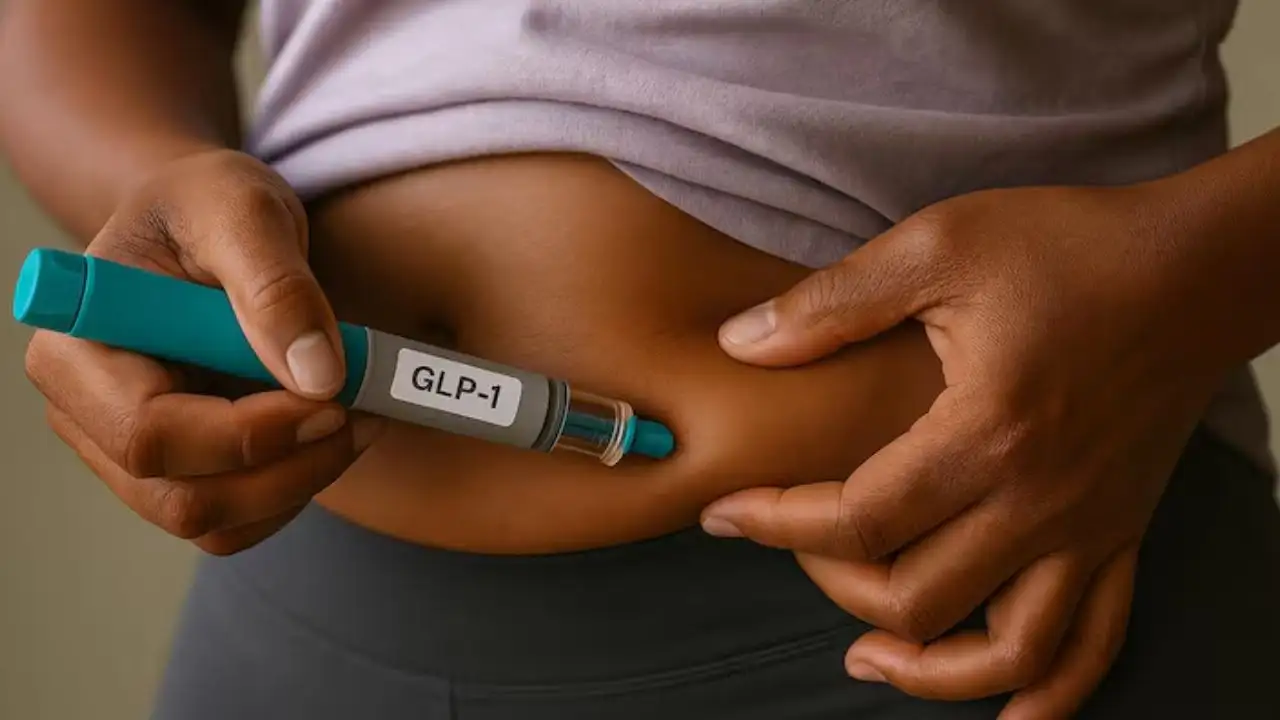

Use of GLP-1 drugs
GLP-1 medications are helpful in managing obesity and type 2 diabetes. Consuming these keeps blood sugar under control and reduces the feeling of hunger. Many famous personalities have also resorted to these medicines for weight loss. Some research has also shown that taking these medicines can also improve the aging process.
The relationship between inflammation and biological aging
Biological aging refers to the aging of cells and organs, which affects their functions. Two individuals may have the same age, but biological aging varies due to lifestyle, genetics, and health factors. A major cause of aging may be persistent mild inflammation, which keeps the immune system active.
GLP-1’s effect on inflammation
In research on GLP-1, such as Sustain and Pioneer, it was found that C reactive protein (CRP) levels were significantly reduced in those taking semaglutide. CRP is a protein that increases during inflammation. The study also observed that CRP levels decreased by 20% to 60% with weight loss and improvement in blood sugar.
Can GLP-1 reduce biological aging?
GLP-1 drugs activate parts of the brain that control overactive immune system responses, reducing inflammation in vital organs such as the heart, liver and kidneys. Reduction in inflammation also reduces the risk of fibrosis.
Slowing down the aging process of cells and tissues – These medicines help protect cells and tissues from damage.
A study in 2026 tested semaglutide and placebo for 32 weeks. In this study, the rate of cell aging was reduced by 9% in those taking semaglutide. However, doctors say that GLP-1 drugs can only be given to treat type 2 diabetes and obesity, not to prolong life.

Comments are closed.