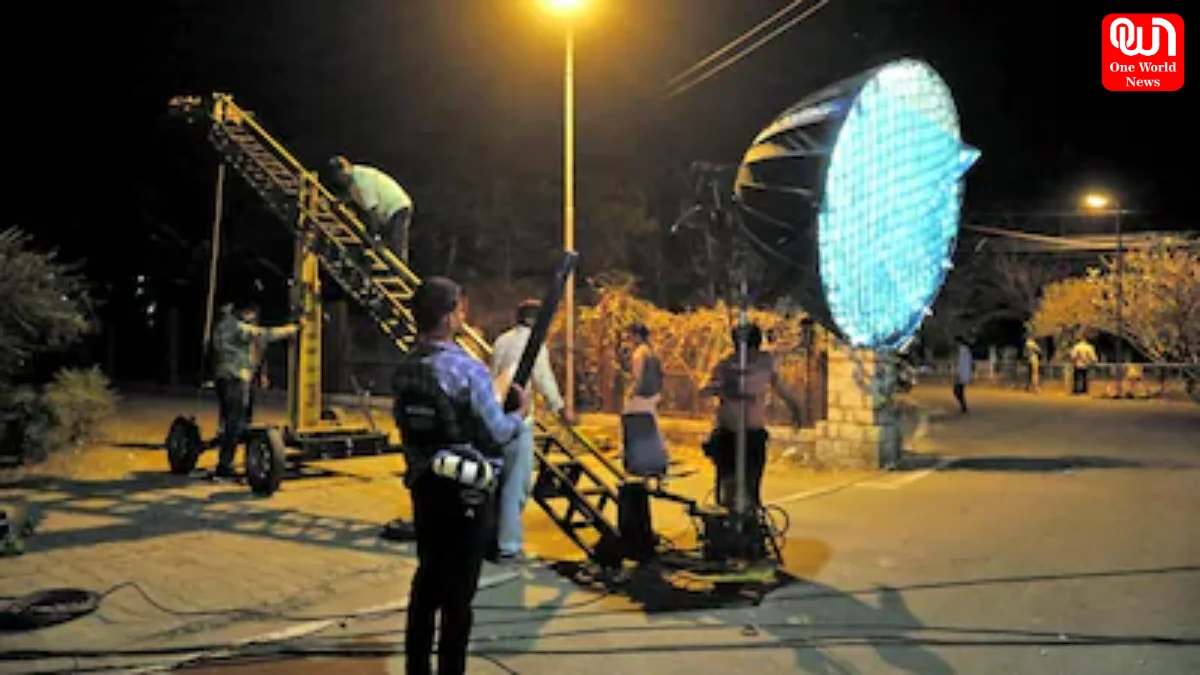
When audiences watch a blockbuster movie, they admire the actors, grand sets, and stunning cinematography. However, behind every perfectly lit scene stands a group of hardworking professionals who rarely receive recognition—the light men. These workers are the backbone of every film crew, ensuring that every shot has the perfect lighting. Yet, despite their vital role, many continue to face poor light men working conditions, inadequate pay, long shifts, and limited access to proper food.
Recent discussions about the struggles of Bollywood technicians have once again highlighted the difficult realities behind the glamour of the film industry. Reports from workers reveal that many light men earn as little as Rs 1,800 per day, often work for over 14 to 16 hours, and sometimes struggle to receive nutritious meals or timely payments. Similar concerns have also been echoed by supporting actors and crew members regarding food quality, delayed payments, and unequal treatment on film sets.
Who Are Bollywood Light Men?
Light men are skilled professionals responsible for setting up, adjusting, and maintaining lighting equipment during film shoots. Their work directly impacts the quality of every scene, helping cinematographers create the perfect visual atmosphere.
A typical film crew depends heavily on these workers because they:
- Install heavy lighting rigs.
- Move lighting equipment between locations.
- Adjust lights throughout shooting.
- Ensure electrical safety.
- Support cinematographers during every scene.
Without them, even the biggest Bollywood productions would struggle to achieve their signature cinematic look.
The Reality of Light Men Working Conditions
Despite their importance, light men working conditions remain one of the least discussed issues in Indian cinema.
Many workers begin their day before sunrise and continue working until late at night. Outdoor shoots expose them to extreme heat, rain, dust, or cold weather while carrying heavy equipment weighing several kilograms.
Unlike celebrities who often have access to comfortable vanity vans, many crew members spend the day standing on set without adequate rest facilities.
Long hours have become a common concern across the film industry, with production schedules often stretching far beyond standard working shifts.
Rs 1800 Per Day: Is It Enough?
Although Rs 1,800 may appear reasonable for a single day’s work, the reality is very different.
Work opportunities are often inconsistent, meaning many workers do not receive employment every day of the month. Travel expenses, accommodation costs, food, and family responsibilities significantly reduce their earnings.
This creates a situation of inadequate compensation, especially considering the physical demands and safety risks involved in handling electrical equipment and heavy lighting structures.
Many workers also lack health insurance, retirement benefits, or financial security during periods when film projects are unavailable.
Long Hours Without Proper Food
Perhaps one of the most troubling complaints involves food arrangements on film sets.
Several workers have shared experiences of receiving poor-quality meals or waiting hours before being served food while continuing physically demanding work. Industry insiders have also spoken publicly about different food categories and unequal treatment for crew members and supporting artists on some productions.
For workers performing physically exhausting tasks, proper nutrition is essential. Without balanced meals and sufficient breaks, fatigue increases, affecting both health and workplace safety.
read more: Spider-Man But Make It Desi! How Influencer Atifa Arshad’s Blinged-Out Spider Sari Is Redefining Lifestyle, Fashion & Spider-Man: Brand New Day Buzz
Improving meal standards should be considered a basic responsibility for every production house.
Delayed Wages Add Financial Stress
Another major issue affecting Bollywood technicians is delayed wages.
Many crew members reportedly wait weeks or even months before receiving payment for completed projects. While leading actors usually receive payments according to contractual agreements, junior technicians often experience lengthy payment cycles.
These delays create financial hardship for workers who rely on daily income to support their families and manage household expenses.
Timely payments would not only improve financial stability but also boost morale across the film industry.
Safety Risks Are Often Overlooked
Lighting departments regularly work at dangerous heights, climb scaffolding, and handle high-voltage electrical equipment.
Without proper safety gear, accidents can become life-threatening.
Essential protective equipment should include:
- Safety helmets
- Harnesses
- Protective gloves
- Insulated footwear
- Regular electrical inspections
Better workplace safety policies can significantly reduce injuries while improving productivity on film sets.
Read more: Sidharth Malhotra Drops ‘Sweet’ Birthday Wish For Kiara Advani, Silences ‘Toxic’ Trolls
Delhi Light Men Also Face Similar Challenges
The struggles are not limited to Mumbai.
Many Delhi light men working on advertisements, television serials, OTT productions, weddings, and regional film shoots experience similar challenges. Seasonal work, irregular employment, extended shifts, and inconsistent payments remain common concerns.
As Delhi continues growing as an important production hub, improving working standards for technicians becomes equally important.
Why Bollywood Technicians Deserve More Recognition
The glamour of Bollywood often overshadows the thousands of professionals working behind the scenes.
From makeup artists and camera assistants to electricians and light men, every department contributes to the success of a film.
Providing fair wages, better meals, safer workplaces, regulated working hours, and timely payments would greatly improve the lives of these dedicated professionals.
After all, the success of the film industry depends not only on stars but also on the hardworking technicians who bring every cinematic vision to life.
Conclusion
The conversation surrounding light men working conditions has opened an important discussion about the treatment of workers behind the camera. Issues such as inadequate compensation, delayed wages, exhausting long hours, and poor food facilities deserve immediate attention.
A stronger commitment to worker welfare would benefit everyone—from producers and directors to the audience enjoying the final film. As Bollywood continues to grow globally, ensuring dignity, safety, and fair treatment for every member of the film crew, including Delhi light men and other Bollywood technicians, should become a top priority.