
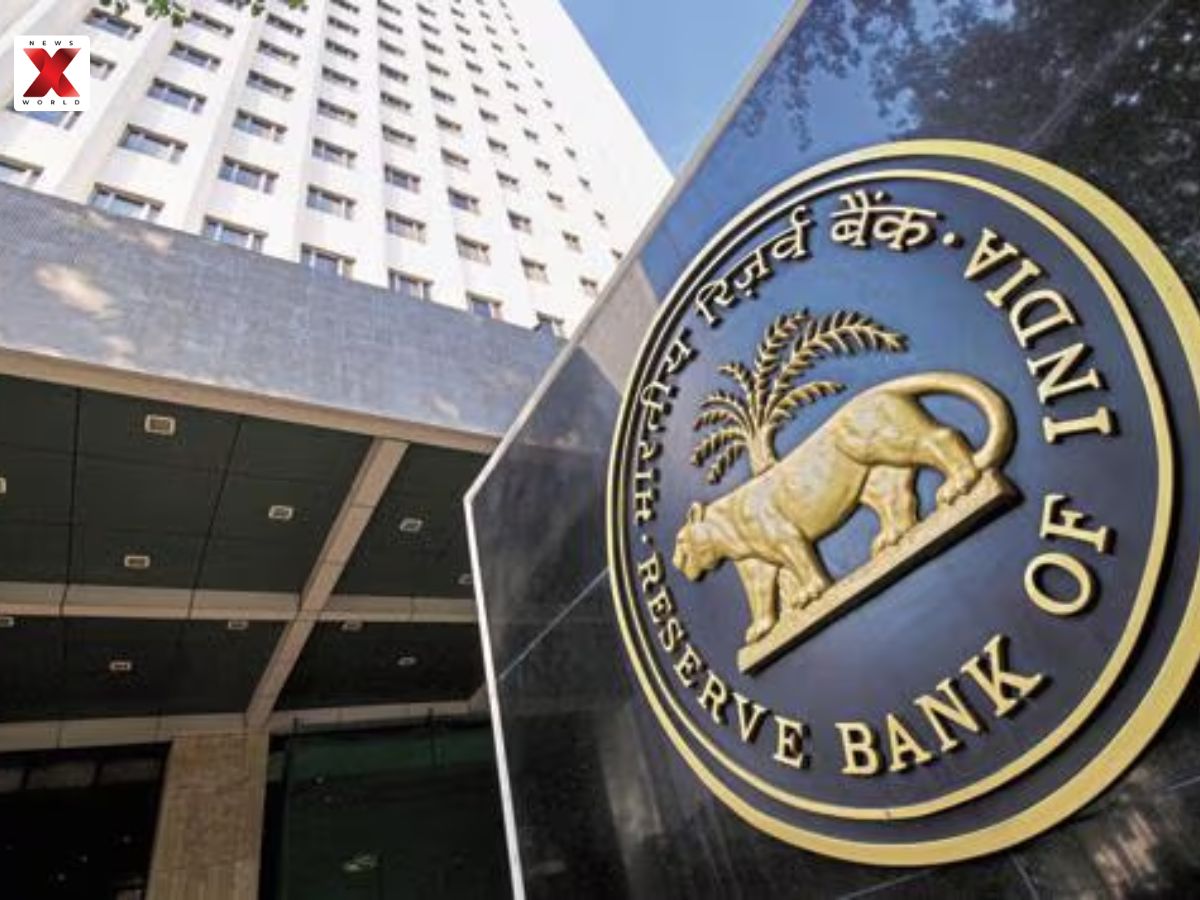

If a borrower defaults on a loan and the bank takes over the property, can the same property be sold back to the borrower later? The Reserve Bank of India (RBI) has now clarified its stand – no. In a big step towards strengthening loan recovery and improving credit discipline, the RBI has come out with new prudential norms for Specified Non-Financial Assets (SNFAs). The new rules prescribe how banks should acquire, value, manage and dispose of immovable properties taken over from defaulting borrowers.
The directions will come into force from October 1, 2026, and will apply to commercial banks, small finance banks, NBFCs, all-India financial institutions, cooperative banks, regional rural banks, and local area banks.
What is SNFA?
An SNFA (Specified Non-Financial Asset) is an immovable property which is taken over by a bank from a borrower when a loan becomes a non-performing asset (NPA).
These assets may include:
- Residential houses
- Commercial buildings
- Industrial land
- Other real estate pledged as collateral for a loan
Banks are not in the business of owning and trading property. Normally, such assets are acquired only as part of the recovery process when borrowers default on loans.
RBI’s Biggest Rule: Banks Cannot Sell It Back To Borrower
The main change in the new framework is that banks cannot sell the repossessed property back to the original borrower or any related party.
The RBI has made it clear, “SNFA shall not be sold back to the borrower or its related parties.”
The restriction will apply even if the property ceases to be an SNFA at a later date.
Why Has RBI Introduced This Rule?
Some stakeholders had suggested giving the borrowers the option to buy back their properties when the RBI had released draft norms in May.
The proposal was rejected by the central bank, which said, “This could create moral hazard and dilute credit discipline by allowing defaulting borrowers a preferential opportunity to regain the asset.”
To summarise, the RBI believes that allowing borrowers to recover seized assets could lead to wilful defaults and dilute the recovery system.
When Can Banks Acquire An SNFA?
The RBI has clarified that banks can acquire such properties only after:
- The loan has been declared an NPA officially
- The property is accepted as part/full settlement of the outstanding dues
- The transfer is non-recourse, meaning the property itself is part of the settlement with no further claims against it.
In cases where only a portion of the loan is paid through the property, the balance amount payable will be governed by the prevailing restructuring norms.
Banks Must Sell Property in Seven Years
The RBI does not want banks to hold on to these properties indefinitely.
It has instructed lenders to sell SNFAs within the period specified in their internal policy, not to exceed seven years.
The RBI said, “A bank shall dispose of the specified non-financial asset within the maximum period of disposal as envisaged in the bank’s policy, subject to a maximum period of seven years.”
Banks have also been asked to make all-out efforts to sell such properties through public auctions under the SARFAESI Act.
What Will Be the Value of These Properties?
In an effort to avoid an overvaluation of the assets, the RBI has prescribed a conservative method of recording them.
The bank must record the property at the lower value when it receives an SNFA:
- The book value of the loan being repaid, or
- The value of a distress sale determined by at least two independent external valuers
It is expected to be more realistic accounting and to improve transparency in banks’ balance sheets.
Separate Accounting of SNFAs
The Reserve Bank of India has also clarified that SNFAs would not be part of gross NPAs, net NPAs or stressed assets.
Rather, they will be shown individually on bank balance sheets as “non-banking assets acquired in satisfaction of claims.”
When the bank begins to use the property for its operations, it ceases to be an SNFA and is recorded under fixed assets or other appropriate accounting headings.
The banks will have to report the details of these assets to the RBI every year through its CIMS portal, including acquisitions, disposals, ageing, and properties put to their use.
Existing Properties Must Also Follow the New Rules
RBI has given a transition period for existing assets.
Properties already owned by banks as of September 30, 2026, must be brought into alignment with the new framework by September 30, 2027.
What Does This Change Mean for Borrowers?
What the new rules do provide for borrowers is one thing – once a property is acquired by a bank in the course of loan recovery, there will be no way to buy it back directly from the lender.
The RBI believes the change will enhance recovery practices, promote transparency and discourage strategic defaults, while ensuring that banks dispose of such assets in a time-bound and fair manner through public auctions.
Also Read: Power of Attorney vs Registry: What Delhi’s New GPA Rules Mean for Homebuyers
Priyanka Roshan is a business writer and assistant editor at the NewsX website who tracks everything from stock market swings and corporate earnings to personal finance trends and policy shifts. Known for turning fast-moving business developments into sharp, reader-friendly stories, she combines speed, accuracy, and a data-driven approach to break down complex financial news for everyday audiences.
With over 9.5 years of newsroom experience, Priyanka has worked with leading media organisations, including Bussiness, Times Now, and Ping Digital, covering diverse beats such as business, politics, technology, auto, travel, sports, and the world. From live breaking news desks to SEO-led digital storytelling, she specialises in creating engaging content that keeps readers informed without overwhelming them.
The post RBI’s New SNFA Rules Explained: Can You Buy Back Your Seized Property From a Bank? appeared first on NewsX.

Comments are closed.