
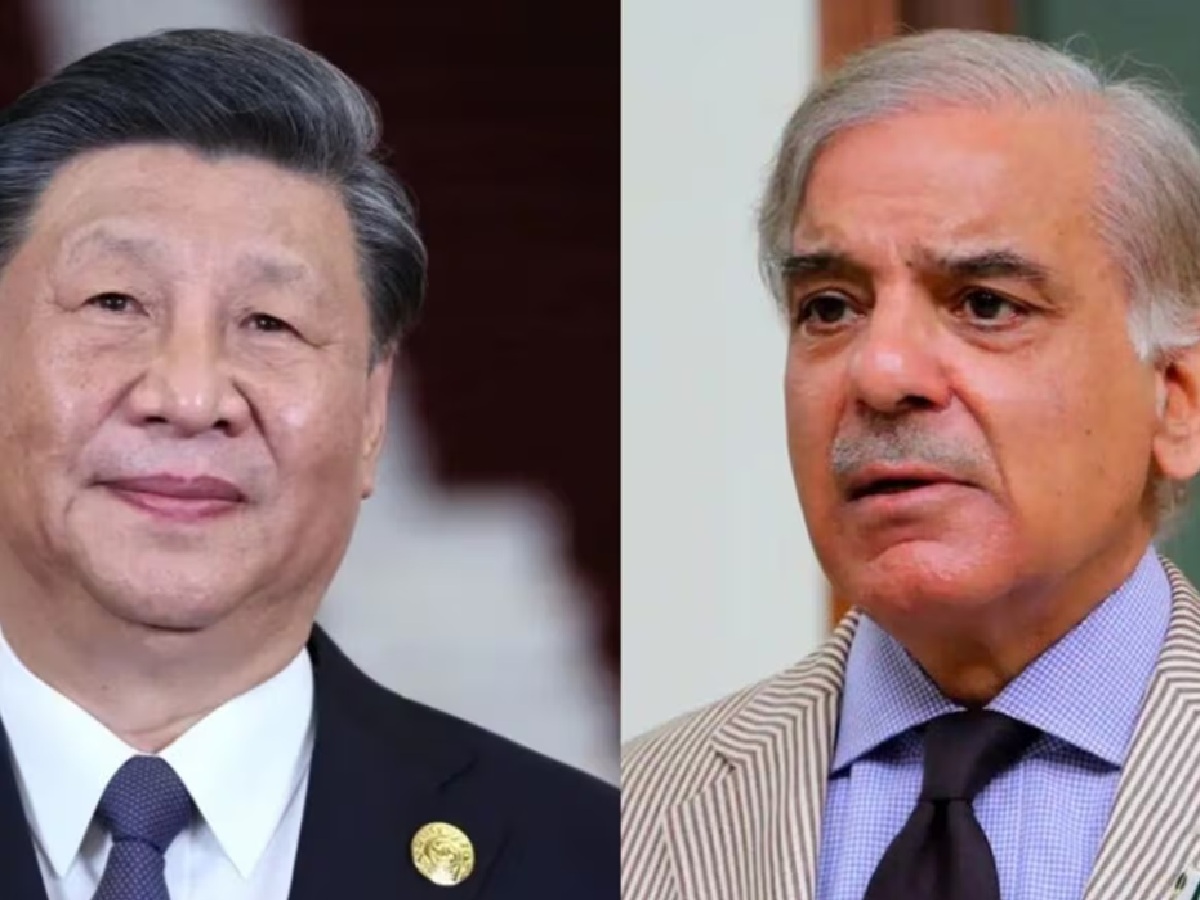
Balochistan broke ties with Pakistan, declared itself independent, China’s $65 billion CPEC project got a big blow!

The claims of declaration of independence coming from Balochistan, the most restive and strategically important region of South Asia, have created an unprecedented uproar in international geopolitics and diplomatic circles. Although no sovereign country on the global stage has yet officially recognized Balochistan as an independent nation, this unexpected development has posed the biggest threat to the existence of the ‘China-Pakistan Economic Corridor’ (CPEC), considered the joint backbone of China and Pakistan. The CPEC project, which is being built at a huge cost of about $65 billion (about Rs 5.4 lakh crore), is considered to be the most important crown of Chinese President Xi Jinping’s ambitious ‘Belt and Road Initiative’ (BRI), which now seems to be in complete trouble due to the insurgency in Balochistan. Legal problem of sovereignty on Gwadar Port: China’s investment worth billions may get stuck under international rules. The main focus point of this entire geopolitical dispute is the strategically very sensitive Gwadar Port, which is located directly at the mouth of the Arabian Sea. Under the current arrangement, the entire operation of this deep water port is being done by Beijing’s state-owned company ‘China Overseas Ports Holding Company’ under a bilateral agreement with the Government of Pakistan. Under this historic treaty, China has only the right to conduct commercial operations and collect tolls, while the actual sovereignty of the port is legally reserved with Islamabad. International law experts clearly believe that if Balochistan is established as an independent nation, Gwadar port will automatically become a part of the sovereign territory of Balochistan, thereby rendering all the agreements China had made with Pakistan in the past technically illegal or void. All-round attack on the dragon: Fear of security of Chinese engineers, new visa rules and huge increase in insurance costs. According to international rules, if a new sovereign government is formed in Balochistan, it will have the full legal right to continue the old CPEC agreements with China, amend them on its own terms, or cancel them completely. In such a critical situation, Chinese investors may have to approach international arbitration courts, which is a very long and uncertain process. Additionally, the visa rules, local labor laws and most importantly, the entire responsibility for their security (Security Core) of thousands of Chinese engineers and technical workers working in this 3,000 km long economic corridor will have to be decided afresh. With the increase in activity of separatist forces like Baloch Liberation Army, the insurance cost of projects and infrastructure security expenses will increase manifold, which is sure to put a huge financial burden on the Chinese exchequer. Baloch rebellion against Islamabad’s plunder: A serious allegation of exploitation of local resources and depriving them of employment. For Pakistan, Gwadar port and the vast land of Balochistan are considered its biggest strategic and economic assets, but on the ground, the local citizens of Balochistan have been feeling cheated for a long time. The ‘Joint Baloch Rights Committee’ and other regional organizations clearly allege that by indiscriminately exploiting the unlimited natural resources of Balochistan like gold, copper and natural gas, the entire financial benefit is going only into the pockets of Islamabad’s rulers and foreign Chinese investors. Baloch people are still completely deprived of basic facilities like clean drinking water, health, higher education and respectable employment opportunities, which has ultimately forced the people of this region to completely break ties with Pakistan and shout for their independence.

Comments are closed.