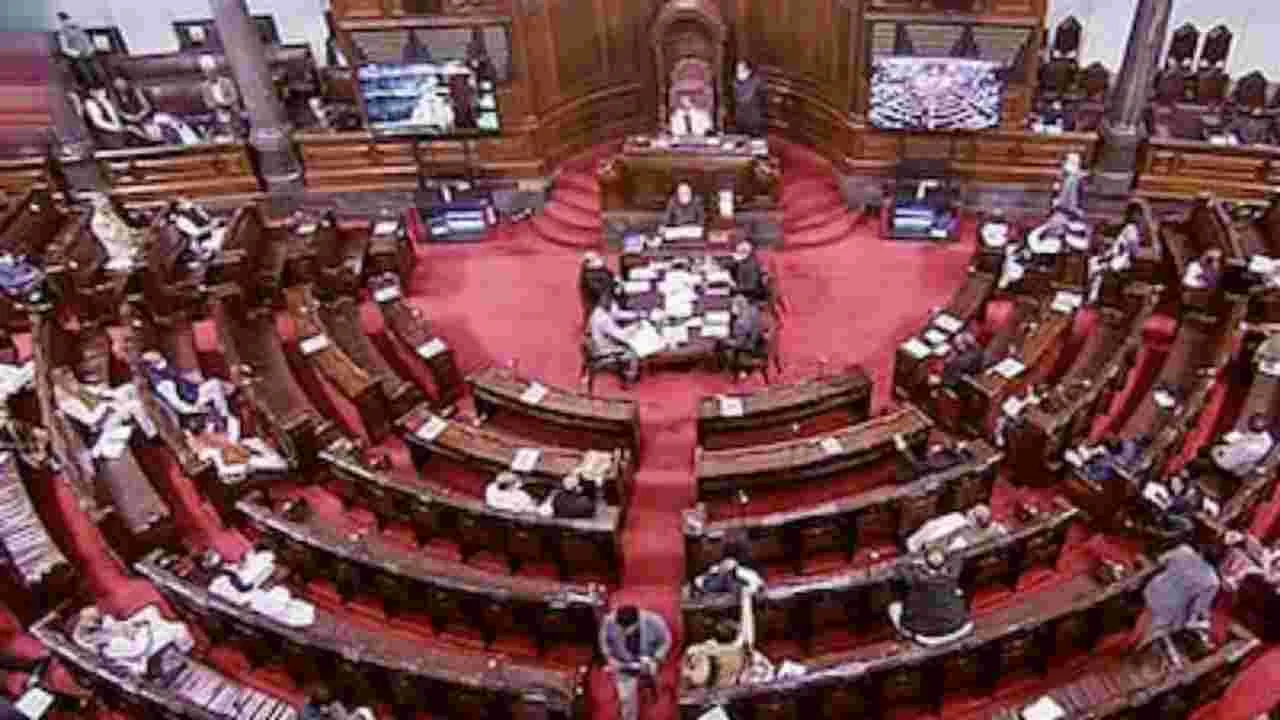
The Rajya Sabha has approved the Registration of Births and Deaths (Amendment) Bill, 2026, which had already received the Lok Sabha’s approval on July 31, 2026. With this, both houses of Parliament have now passed the bill.
The aim of this amendment is to enhance the transparency, security, and reliability of the birth and death registration process, thereby preventing issues such as the creation of fake birth or death certificates. A key aspect of this amendment addresses the issue of delayed registrations. Currently, births and deaths can be registered after the set deadline with the consent of various administrative officials. However, if a birth or death is registered more than two years after the actual event, it will require permission from a Judicial Magistrate First Class. The government believes this will improve the legal oversight of delayed registrations and significantly lower the chances of fraudulent documents being produced.
What prompted the government to implement this change?
The central government states that a birth certificate serves as a citizen’s first legal identity. It is essential for obtaining an Aadhaar card, passport, enrolling in the voter list, gaining admission to schools and colleges, accessing government benefits, and utilizing various other government services. If birth or death registrations are postponed for years without proper scrutiny, it raises the risk of false identities, fraud, property disputes, and inconsistencies in government records. Hence, the government has mandated judicial approval for delayed registrations.
How will this affect the general public?
For individuals who register births or deaths within the designated timeframe, this amendment will not impose any extra procedures. However, if someone wishes to register after a delay of more than two years, they will now be required to seek permission from a First Class Judicial Magistrate. This measure will ensure that delayed registrations are only permitted in legitimate and verified cases.
What is the connection with the 2023 law?
This amendment is considered a follow-up to the Registration of Births and Deaths (Amendment) Act, 2023. In 2023, the central government provided for the creation of a national digital database of births and deaths, data sharing between states, and the recognition of birth certificates as a vital document for many government services. The 2026 amendment further strengthens this system and increases legal oversight, particularly for delayed registrations.
What happened in Parliament?
The bill was first passed by the Lok Sabha, and then approved by the Rajya Sabha . The Lok Sabha passed it on July 31, 2026. The government stated in the House that the amendment’s purpose was not to harass ordinary citizens, but to enhance the credibility of government records related to births and deaths and to effectively curb the circulation of fake certificates.