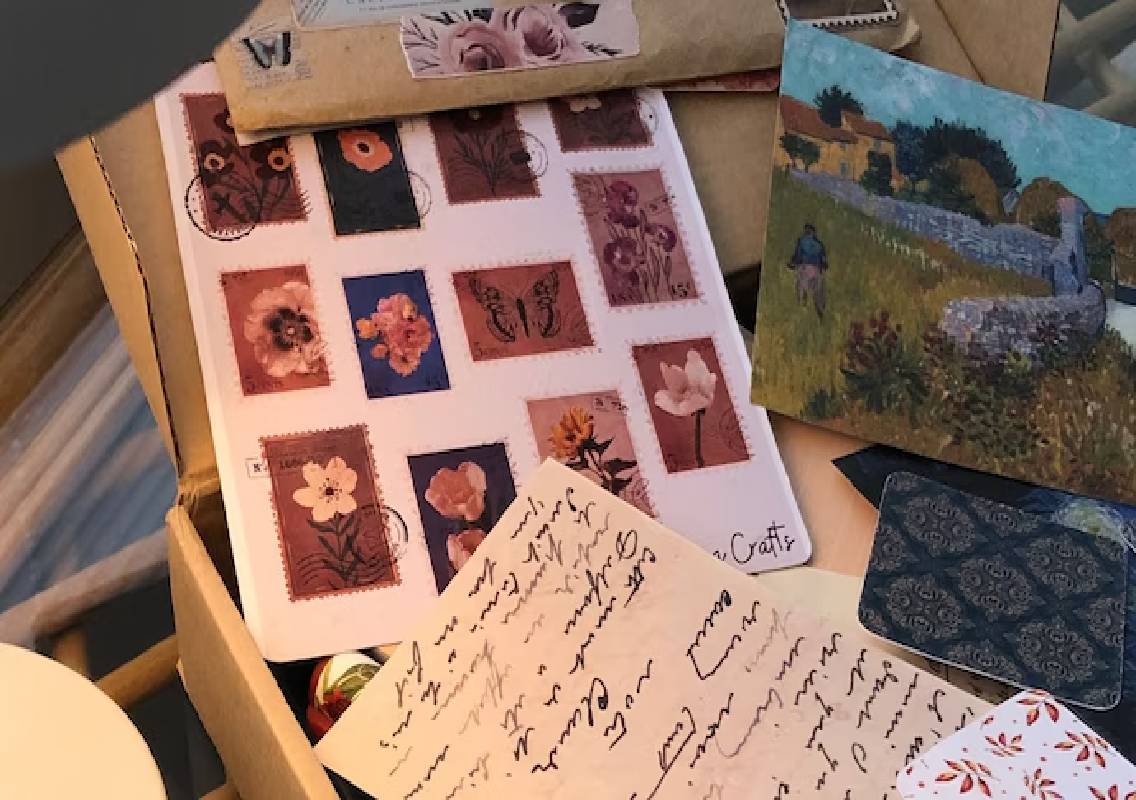
New Delhi: In an era dominated by instant messaging apps, emails and social media, a growing number of Gen Z Indians are rediscovering the charm of handwritten letters through snail mail clubs. Young people across cities are joining communities dedicated to exchanging postcards, letters, artwork and thoughtful notes, embracing a slower and more personal form of communication that many believed had disappeared.
The trend reflects a broader shift among younger generations towards meaningful offline experiences, with handwritten correspondence offering a sense of anticipation and emotional connection that digital communication often lacks.
Snail mail clubs are making a comeback
Across India, several snail mail communities have emerged, bringing together people who enjoy writing letters by hand and exchanging them with strangers or pen pals.
Unlike instant messaging, these clubs encourage participants to take time crafting thoughtful messages, decorating envelopes and even including bookmarks, pressed flowers, stickers or handmade illustrations. The experience is as much about creativity as it is about communication.
Why Gen Z is embracing slow communication
For many young people, handwritten letters offer a refreshing break from the constant notifications and fast-paced interactions of the digital world.
Waiting days or even weeks for a letter creates excitement and anticipation that cannot be replicated through WhatsApp or email. Participants say receiving a handwritten note feels more personal because someone has invested time and effort into writing, decorating and posting it. (indiatoday.in)
More than just nostalgia
Although letter writing may appear nostalgic, many Gen Z participants have no personal memories of using it regularly while growing up.
Instead, they see it as a creative hobby and a way to disconnect from digital overload. Writing by hand allows them to express themselves more thoughtfully while building meaningful friendships with people they may never meet in person.
They personalise envelopes with drawings, colourful stationery, wax seals, calligraphy and handmade crafts, transforming ordinary correspondence into keepsakes. Some clubs even organise themed exchanges centred around books, films, travel or seasonal festivals.
Social media helping an offline movement
Ironically, social media has played an important role in reviving letter writing.
Platforms such as Instagram have enabled snail mail enthusiasts to discover clubs, connect with pen pals and showcase beautifully designed letters, inspiring more young people to join the movement. Online communities often coordinate exchanges while ensuring the actual communication happens offline through the postal system.
A reminder that slower can be meaningful
Mental health experts suggest that slower forms of communication can encourage mindfulness and reduce the pressure of responding instantly.
Writing letters allows people to reflect on their thoughts before expressing them, creating conversations that often feel deeper and more intentional than quick text messages. For many participants, the journey of sending and receiving mail has become just as meaningful as the message itself.
Conclusion
While WhatsApp and email continue to dominate everyday communication, India’s growing snail mail clubs show that handwritten letters still have a place in the digital age. By embracing slower, more thoughtful interactions, Gen Z is giving new life to a timeless tradition—proving that sometimes the longest route can create the strongest connections.