
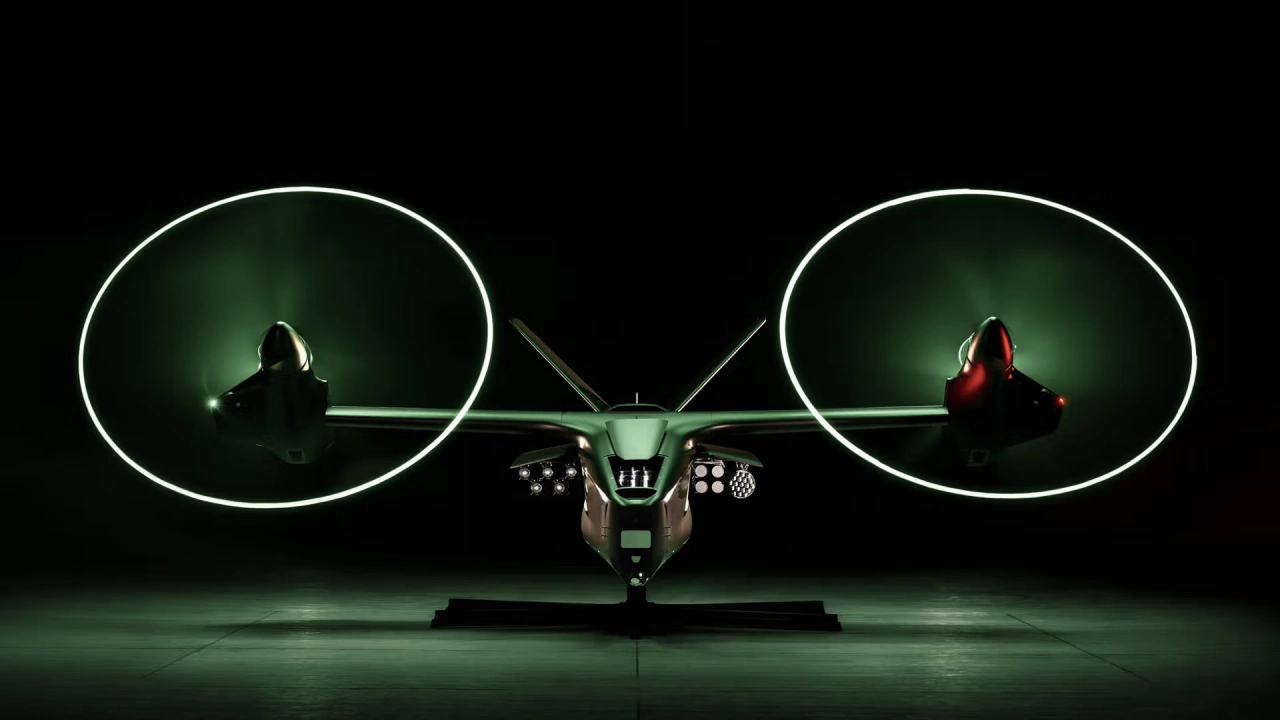

The modern battlefield is a robotic kill zone. Low-altitude flight has stalled out completely. Traditional maneuver tactics fail here. To take back the skies, Anduril Thunder Drone relies on heavy edge computing, computer vision, and AI mission planning.
- Lattice Autonomy:
The core brain is Anduril’s Lattice for Mission Autonomy. No pilot sticks and no remote joysticks.
- Crewed Integration:
Pilots in Apache helicopters or the new MV-75 Cheyenne II direct them. This radical shift allows a single human pilot to effortlessly orchestrate an entire swarm of robotic killers.
- Blind Navigation:
The drone maneuvers through messy terrain. It dodges trees, wires, and electronic jamming. It works even when GPS signals drop completely.
Dual variable-RPM tiltrotors change the game here. They drop the drone’s noise signature to a whisper during low-altitude approaches. It sneaks in, and that silence keeps it alive during dangerous scouting and deep-strike runs.
Anduril Thunder Drone: Supply Chain & Commercial Manufacturing
Traditional defense contractors suffer from massive bottlenecks and raw material shortages, and while it takes years to build anything, Anduril took a shortcut. They built Thunder on a clean-sheet, dual-use platform co-developed with Archer Aviation, an electric air-taxi startup.
By anchoring a lethal weapon system directly to commercial aerospace production lines, Anduril completely sidesteps the bureaucratic delays typical of legacy defense contractors.
- The Commercial Hook:
Anduril tapped into existing commercial manufacturing lines for electric motors, battery packs, and lightweight rotors.
- Beating the Bottleneck:
This civilian supply chain shields the program from slow, specialized military part shortages.
- Cheap Mass:
You cannot fight modern attritable warfare with fragile, multi-million dollar platforms. Thunder gives the military mass production capabilities. It costs a tiny fraction of a human-crewed attack helicopter.
Geopolitics & Next-Generation Defense Procurement
Warfare in Ukraine changed everything. The air-ground littoral fight rewrote the rules for defense spending.
Standard attack helicopters are now massive targets. Cheap loitering munitions and shoulder-fired missiles (MANPADS) knock them out easily.
- The Shift:
The U.S. Army, Marine Corps, and SOCOM are moving money fast. They want uncrewed collaborative combat aircraft (CCA). They need cheap, replaceable mass right now.
- Going Global:
The platform is already moving into international hands. The UK Ministry of Defence down-selected Anduril for Project Nyx.
- Loyal Wingmen:
These drones will soon flank British Apache fleets. It proves that major military powers are panicking over modern anti-access/area-denial (A2/AD) bubbles. They need expendable, smart mass to break through.
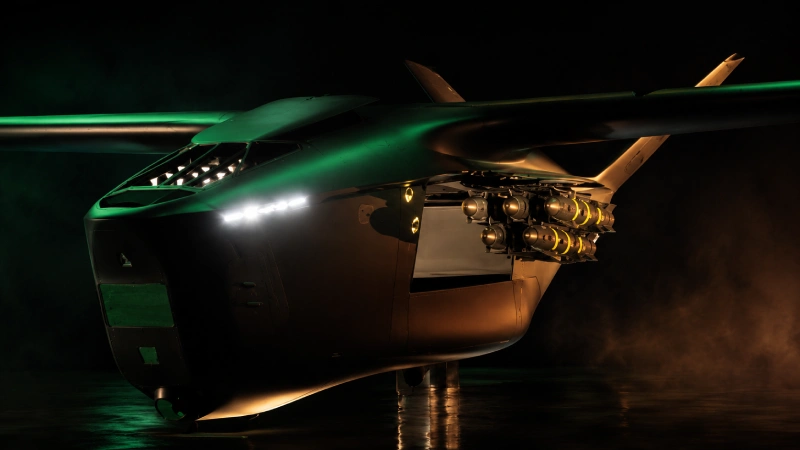
| Munition / System Type | Maximum Internal Capacity |
| Air-to-Ground Missiles | Up to 10 AGM-114 Hellfires |
| Launched Effects / Drones | Up to 16 Modular Units |
| 70mm Rockets (APKWS) | Up to 76 Precision Rockets |
| Counter-UAS Munitions | Up to 12 Interceptors |
Operations, Logistics & Sustainability
Drones need to work out of dirt fields, not perfect runways. Thunder requires zero runway infrastructure.
- Austere Footprint:
The tiltrotor layout gives it the tight launch footprint of a standard helicopter, but it cruises with the high efficiency of an airplane.
- Box to Battlefield:
The entire airframe packs down tight. Troops can ship, tow, and launch it directly out of a standard shipping container, and it keeps the logistical footprint tiny.
The hybrid-electric powertrain cuts fuel burn significantly during fast cruise phases. It is a pragmatic compromise. It gives the military a bridge toward greener operations without sacrificing the speed, massive range, and hard-hitting strike capacity commanders actually care about.
Final Verdict
Thunder shifts the entire balance of tactical aviation. The days of buying hyper-expensive, fragile legacy aircraft are ending. Commercially scalable, autonomous mass is taking over.
By pinning Archer Aviation’s electric engines to Anduril’s autonomous software, Thunder directly solves the hardware vulnerabilities we see on TV every day.
Early surrogate test flights are already done. Real prototype flights start in 2027. This autonomous rotorcraft offers a realistic, highly survivable way to fight and win tomorrow’s deepest conflicts.

Comments are closed.