India may soon see a major change in the currency notes people use every day. The Reserve Bank of India (RBI) is testing plastic banknotes, also known as polymer notes, and they could enter circulation from the beginning of the next financial year.
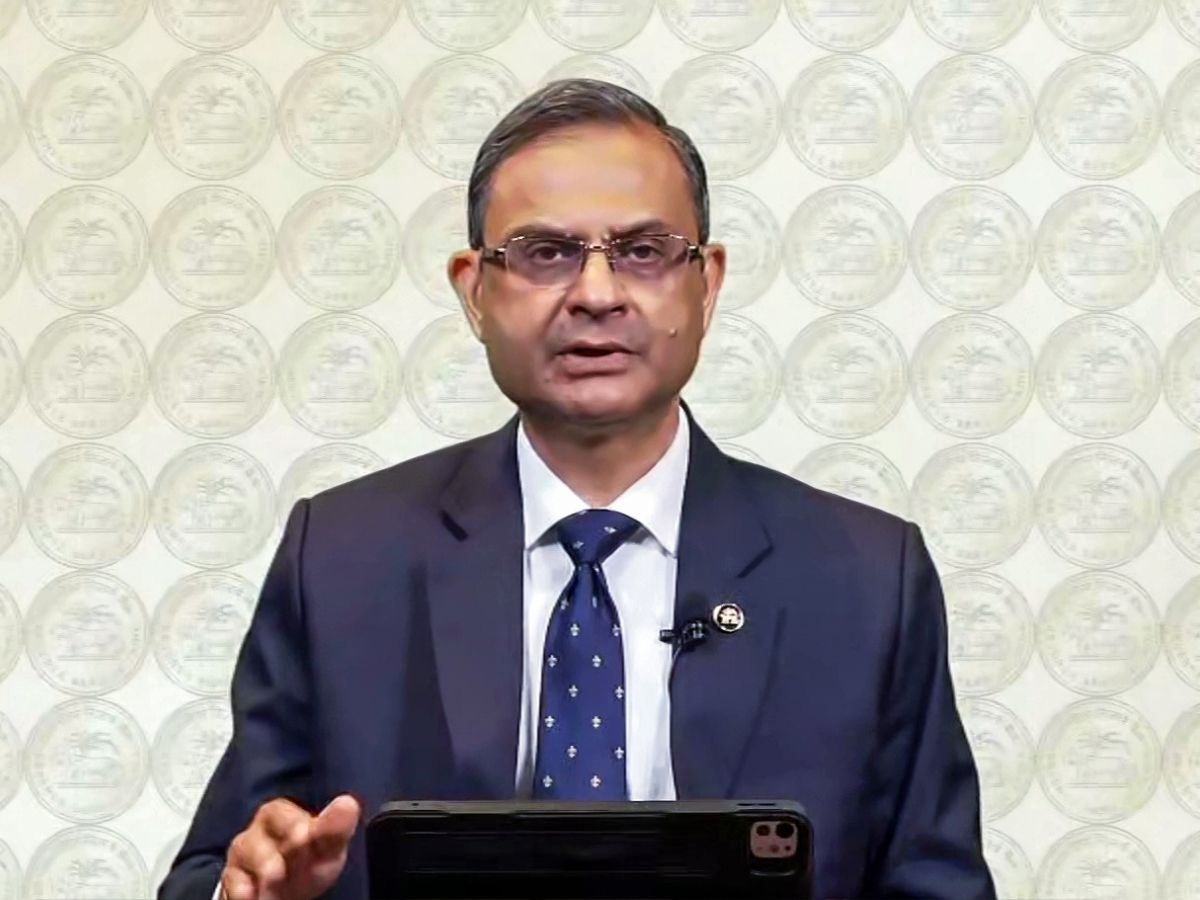
RBI Governor Sanjay Malhotra said polymer notes are currently being tested and the central bank will announce more details, including security features, at a later stage.
“Plastic bank notes are currently undergoing testing and may enter the market by the start of the next financial year, with security features to be announced soon,” ANI quoted RBI Governor Sanjay Malhotra as saying during the post-Monetary Policy Committee (MPC) press conference.
Which notes will become plastic first?
It has been said that the first polymer notes will come in lower denominations such as ₹10 and ₹20.
These are some of the most commonly used currency notes for carrying out everyday transactions. They are more likely to wear and tear faster than higher denomination notes because of their greater frequency of use.
The RBI will be able to test these features before deciding on the issue of more notes.
Why is RBI introducing plastic notes?
Polymer notes are made from a special plastic-like substance, as opposed to the traditional paper currency.
One of the greatest benefits of the polymer notes is their longevity. They’re more resistant to moisture, dirt and being handled over and over again than normal paper notes.
Longer life span may slow down the rate of replacement of damaged currency notes. Over time, this can lead to improved efficiency in cash management.
Polymer notes can also incorporate advanced security features, which can help improve security against counterfeiting.
Will existing paper notes become invalid?
No. The introduction of polymer notes does not mean existing paper currency will immediately stop being used.
The RBI is expected to allow both paper and polymer notes to circulate together during the transition period. Existing notes will continue to remain legal tender unless the central bank announces any separate decision.
Has India used plastic notes before?
The use of polymer money was also tried by India in the past. In fact, the Reserve Bank of India has already conducted some tests in the past regarding plastic money, but they never came into circulation. This latest development indicates that RBI is once again considering polymer money with new testing procedures.
What happens after the trial?
The RBI will review the results of the testing process before taking a final decision on expanding polymer notes.
Provided that the first phase is a success, the central bank may go ahead to introduce the technology into higher denominations in the future. However, there has not been any timetable set on when the technology will be rolled out widely past the test phase.
At the moment, all attention is being devoted to testing the durability and security of the polymer bills.
Also Read: No Rate Cut Again! Why Has RBI Kept Repo Rate Unchanged? Governor Sanjay Malhotra Explains
Prabhat Gupta is Senior Copy Editor of Business Segment. He has worked across broadcast and digital newsrooms, editing and producing stories on politics, business, regulation and current affairs. His work has included writing on global markets and regulatory developments, along with long-form editorial content on business and governance.
He holds a master’s degree in Political Science from the University of Delhi and qualified UGC-NET in the subject, bringing an academic grounding to public affairs and policy coverage.
The post Will Your Rs 10 And Rs 20 Notes Become Plastic Soon? RBI Governor Sanjay Malhotra Explains appeared first on NewsX.